

USMAN AHMED K, QADIAN
The 21st century is marked by extraordinary progress, unprecedented in human history. We live in a world shaped by remarkable development in every field of human endeavour. While these advancements—designed to ease human difficulties and maximise comfort—are normally expected to result in greater happiness and contentment, what we actually see is a demography engulfed in mental distress. Behind luxurious lifestyles and smiling emojis lies an epidemic of loneliness, anxiety, and despair.
According to the Global Burden of Diseases, Injuries, and Risk Factors Study (GBD) 2019, depressive and anxiety disorders ranked among the top 25 leading causes of disability worldwide even before the COVID-19 pandemic.[1] When the pandemic struck, the Lancet reported that global cases of depression and anxiety rose by over 25 percent in 2020 alone.[2]
The World Health Organization (WHO) now estimates that one in four people will experience a mental health disorder during their lifetime. Depression alone affects over 332 million people globally, and nearly 800,000 people die by suicide each year, equating to one death every 40 seconds.[3]
The hidden pain in wealthy nations
It is often understood that money is the key to being happy. With means to fulfil one’s needs and desires, it is expected that possessing material wealth would translate into increased happiness. Yet, ironically, some of the most developed and affluent nations—often ranked highest on happiness indexes—are facing some of the most troubling mental health trends.
In Japan, the suicide rate stands at around 16.4 per 100,000 people, far above the global average.[4] Among Japanese youth, social isolation has reached crisis levels. The phenomenon known as hikikomori describes people, often young men, who withdraw completely from society, not leaving home for months or even years.[5] In recent years, Japan has seen record-high student suicides, reaching over 500 cases in 2024, the highest since 1980.[6]
Similarly, in the Nordic countries like Finland, Sweden, Denmark, and Norway, mental health challenges persist beneath the surface of strong welfare systems. The Nordic Council of Ministers reported that 13.5 percent of youth aged 18–23 in the region describe themselves as “struggling” or “suffering”, despite living in societies often called the “happiest on Earth”.[7] On the other hand, the same study also found that those who score highly on the scale of religiousness tend to be significantly happier than the non-religious segment of the population.[8]
This simply proves the presence of other factors—far more complex and significant than wealth—that define happiness.
The era of loss
The struggle between restlessness and peace is as old as humanity itself. Every age faces moments when peace feels absent—when it becomes something spoken of, but rarely experienced. The Holy Quran calls such times ‘the era of loss’:
“By time, Surely, man is in [a state of] loss.”[9]
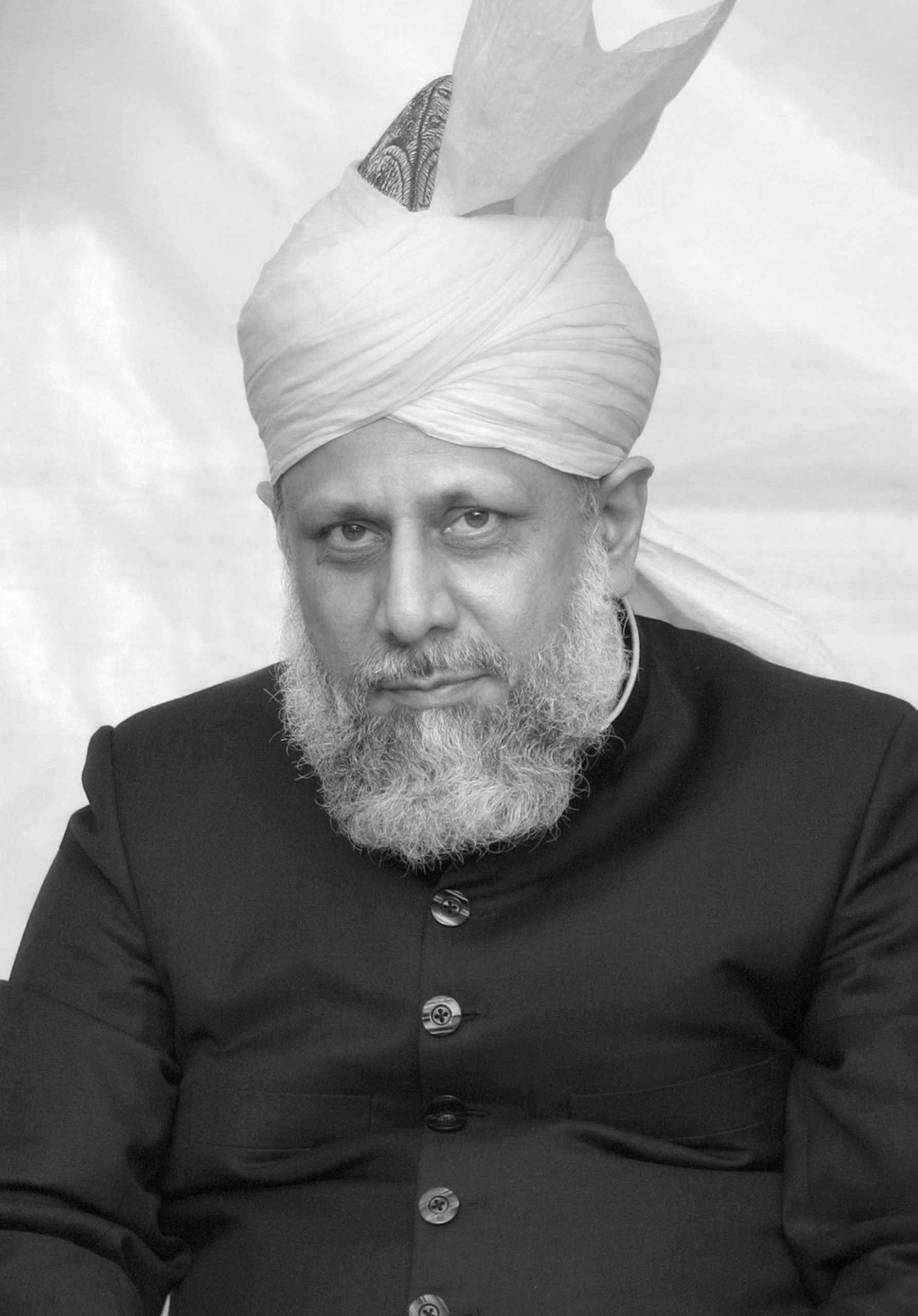
This loss is not only material but spiritual. When the soul drifts from its divine anchor, anxiety spreads. The result is a world restless in its pursuits, yet empty in its core. In one of his Friday Sermons, the Fourth Caliph of the Ahmadiyya Muslim Community, Hazrat Mirza Tahir Ahmadrh, said:
“Time itself bears witness, and the anxieties and restlessness of the age bear witness, that mankind as a whole is afflicted by loss and is engaged in a transaction of loss. Every trader knows that loss does not bring comfort to the heart; it rather creates deep anguish.
“Thus, where loss signifies many types of harm, its consequence should also be kept in mind that whenever humanity or a period as a whole is afflicted by loss, the inevitable result is that restlessness increases.”[10]
How to counter this loss is the most pressing question. But before addressing it, let us take a quick glance at how man has historically approached the quest for inner peace.
Asceticism and indulgence: The two extremes to avoid
Throughout history, thinkers have searched for the cure to human restlessness. Many concluded that inner peace comes from eradicating desire—a philosophy found in traditions such as Buddhism and Jainism. The logic is simple: if one becomes free from all desire, the heart will find calm.
The Quran, however, rejects this notion. A heart without desire is a lifeless one. According to Islam, desires are not to be annihilated, but disciplined and redirected. It teaches not the extinction of desire, but its transformation. It states that desires play a purposeful role in inspiring effort, sacrifice and growth—ultimately serving humanity’s higher spiritual purpose. Given this, neutralising desire altogether would render the human spirit sterile, with no impulse to strive, rise or progress.
On the other side of this strictly ascetic tradition lies another extreme that defines peace as the unrestricted fulfilment of all desires. Today, a vast majority of people across the world seek happiness in the relentless chase for pleasure and material comfort. However, not only does this vain pursuit fail to grant a person true contentment, but it also enslaves them to their urges. The Holy Quran specifically addresses such people who let desires become their masters:
“Hast thou seen him who has taken his desire for his god?”[11]
Such people can never find contentment because the ratio between desires and their fulfilment is never balanced. Whenever a wish is achieved, it instantly gives birth to new ones. The Quran describes this condition as the cry of Hell itself:
“Is there any more?”[12]
Hence, the key to happiness lies in understanding the role of desire, which is to serve our fundamental purpose, while not allowing it to rule us—an endeavour far easier said than done.
The ultimate desire
The only way to achieve this precarious balance—and thereby true contentment—is to seek a purpose so profound that it gives meaning to everything in life. When all our desires are aligned under that grand pursuit, they cease to be disruptive and instead serve a higher goal. However, this principal role cannot be fulfilled by anything in existence but God alone. It is only our Creator who is capable of giving ultimate meaning to the pain and pleasure we experience in our life.
For this very reason, Islam calls us to make God our highest and final desire. This philosophy is encapsulated in the Islamic creed, la ilaha illallah (there is none worthy of worship except Allah). When God becomes the goal of the heart, every other longing falls into place. Whatever comes from Him, whether joy or hardship, becomes beloved, and the heart attains true serenity. And the more we remember God, the more this serenity deepens, until His remembrance becomes the heart’s greatest source of strength and peace.
This fact is very beautifully captured in the following verse of the Holy Quran:
“Aye, it is in the remembrance of Allah that hearts can find comfort.”[13]
Zikr (remembrance of God) and ibadah (worship) are intertwined. True remembrance is not mere repetition of words; it is a state of the heart attained through servitude. When a person becomes a true servant of Allah, remembrance becomes natural, and life becomes worship.
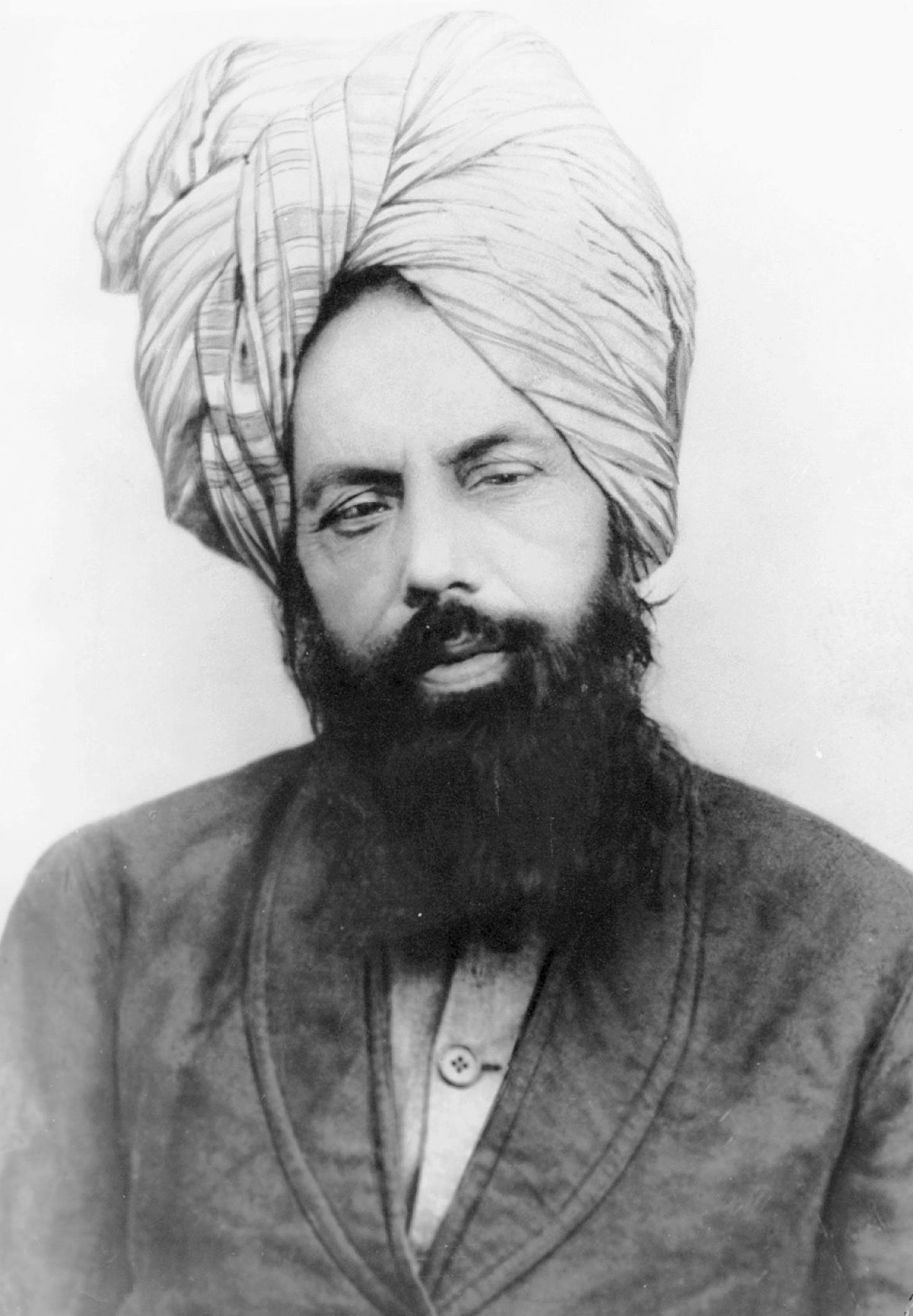
Expounding on this, the Promised Messiah, Hazrat Mirza Ghulam Ahmadas, says:
“Remembrance of Allah is something that grants peace and tranquillity to the hearts, as it is stated, ‘Surely, in the remembrance of Allah do hearts find comfort’. Therefore, one should engage in the remembrance of Allah as much as possible, for through it, true contentment is attained. However, this requires patience and effort; if one becomes restless or weary, then such peace cannot be achieved.”[14]
The modern world offers countless distractions but little comfort. While Islam offers the simplest, most profound prescription: that peace does not come from the world; it comes from the One who created it.
END NOTES
[1] Global Burden of 369 Diseases and Injuries in 204 Countries and Territories, 1990-2019: A Systematic Analysis for the Global Burden of Disease Study 2019, GBD 2019 Diseases and Injuries Collaborators (2020), Lancet
[2] Santomauro, D. F., et al. (2021). Global prevalence and burden of depressive and anxiety disorders in 204 countries and territories in 2020 due to the COVID-19 pandemic. The Lancet, 398(10312), 1700–1712.
[3] Mental Health and Well-Being in the Modern Era: A Comprehensive Review of Challenges and Interventions, Aminat Magomedova & Ghizal Fatima (2025), Cureus
[4] Number of Suicides Per 100,000 Inhabitants in Japan from 2015 to 2024, source: Statista
[5] Alan R Teo (2013), Social isolation associated with depression: a case report of hikikomori, International Journal of Social Psychiatry
[6] White Paper on Suicide Countermeasures 2025, Ministry of Health, Labour and Welfare, Government of Japan
[7] In the Shadow of Happiness, Ulf Andreasson (2018), Nordic Council of Ministers, p. 18
[8] Ibid p. 26
[9] Holy Quran 103:2–3
[10] Friday Sermon dated 26 November 1982
[11] Holy Quran 45:24
[12] Holy Quran 50:30
[13] Holy Quran 13:29
[10] Al-Hakam, v. 9, issue no. 24, dated 10 July 1905, p. 9







0 Comments