ARTICLES

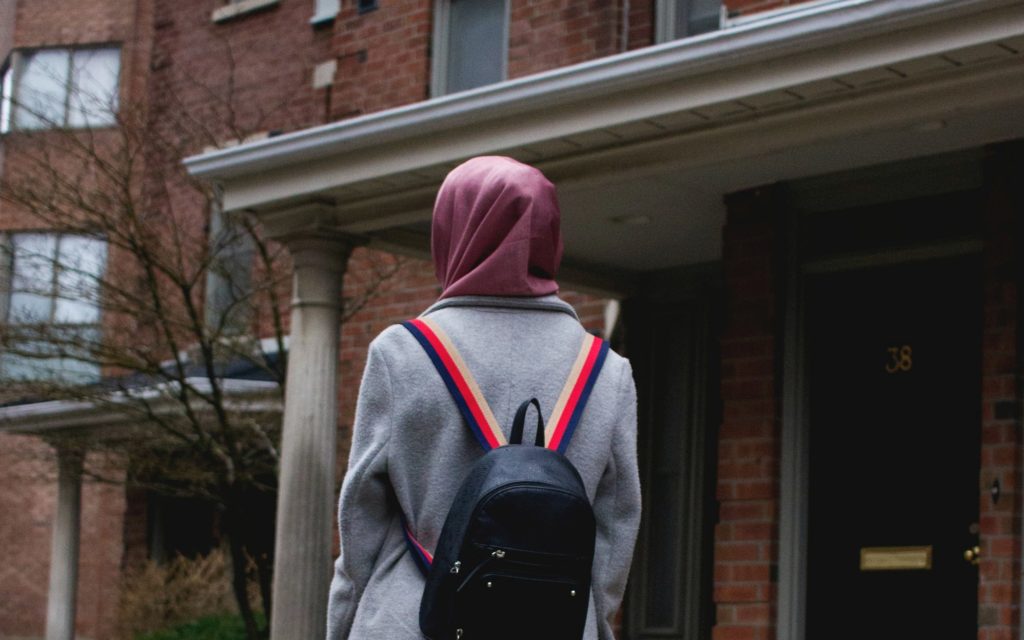
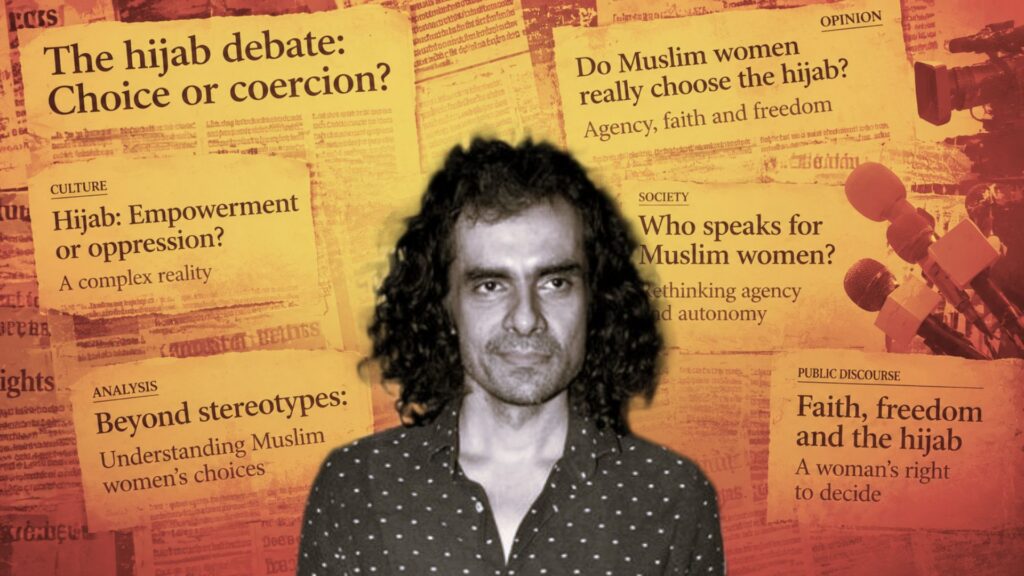
Forcing women to remove Hijab is as wrong as coercing them to wear it. Both actions amount to oppression and deny women their basic rights.
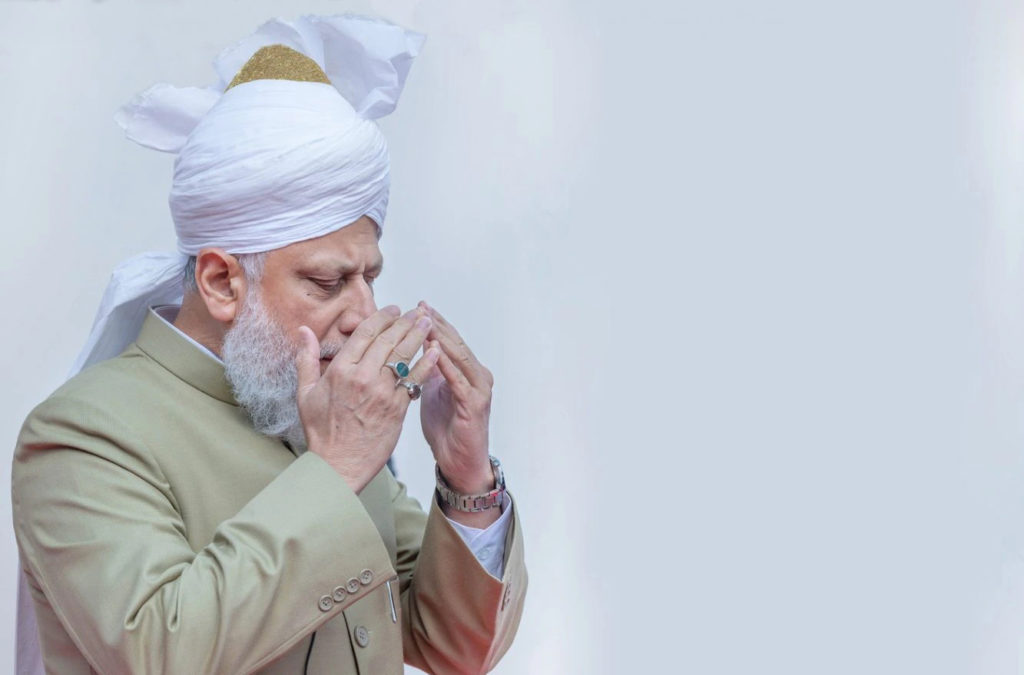
Khilafat is the heavenly means of sustaining the unity of Islam. It is the Divine institution that fosters the spiritual strength of Muslims.
World Head of the Ahmadiyya Muslim Community explains how Islamic teachings hold the key to establishing true and lasting peace at all levels.
The virtual world of the internet is connected with the actual world in both ways. It reflects as well as influences how humans behave in the real world.
Islam envisions the world in the form of a pluralistic ecosystem. Hence, enacting shariah law becomes impossible even in countries with Muslim majorities, let alone the multireligious nations and societies.
In around 770 AD, an embassy from India, including an astronomer, visited the then Abbasid Caliph Al-Mansur in Baghdad. The meeting was to open up an avenue for a fruitful interaction between India and the Arab world.
Remembering Karbala holds special significance for Muslims. But, is recreating the physical torture Imam Hussain (ra) and his followers went through the true way of commemoration?
A drive through rush hour traffic, a bad day at the office or reading irate tweets on social media can all induce our anger. As the incontinent expression of rage can have damaging outcomes, we ought to control our anger in such situations.
Conflict being an inevitable characteristic of human society, a course to peace can only be charted when man imbibes the noblest of moral virtues.
There is a growing trend of portraying Muslim women practising hijab as ‘oppressed’ while their voices that claim otherwise are purposefully undermined.
During a period of spiritual distance, a simple gift from the Khalifa became a symbol of purpose, trust, and a lifelong commitment to serving faith through words.
For a believer, Khilafat is a source of comfort and strength, offering peace through prayers, guidance, and the assurance of being remembered.
What began as a child’s attempt to offer salam became a lifelong reminder that divine love finds us long before we know we are lost.
When the world turned us away, the prayers of the Khalifa offered comfort, resilience, and the strength to persevere through every trial.
In a moment of uncertainty, the Khalifa’s prayers and trust offered a powerful lesson in freedom, faith, and the dignity of choice.
More precious than gold itself, the letters from the Khalifa carried prayers, comfort, and a spiritual connection that strengthened faith at every stage of life.
When Ibrahim(as) raised the knife, it was not the animal that was being tested. It was the man holding it. Eid al-Adha is a reminder that sacrifice is not meant to end with the ritual, but to begin with it.
Travelling to meet the Khalifa was a journey of priceless value for our family, where worldly concerns became insignificant before the weight of spiritual blessing.
In an age fractured by division, confusion, and spiritual uncertainty, Khilafat stands as Islam’s enduring institution of unity—offering moral clarity, divine guidance, and a living connection between humanity and God.
Debates surrounding animal sacrifice intensify during Eid al-Adha. However such discussions often fail to recognise that true sacrifice in Islam extends far beyond the material ritual, centring on righteousness and spiritual reflection.