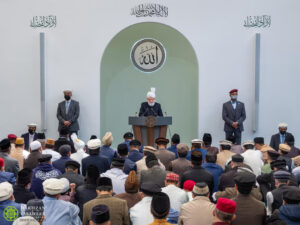
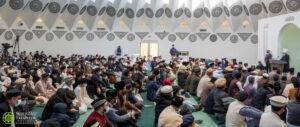
As Britain prepares to host the largest Muslim convention in Europe, the transformation of this humble gathering from its modest origins to a global event stands as a Divine sign. Yet another aspect of its history offers an even more emphatic testimony to the existence of God.
In the early 7th century, when academic traditions had largely faded across much of the known world, the seeds of a new intellectual revolution were sown in Arabia. What followed was a Golden Age that laid the foundations for modern science and civilisation.
In moments when words feel inadequate and answers seem distant, Khilafat offers something deeper: the reassurance of being heard, remembered, and held in prayer.
During a period of spiritual distance, a simple gift from the Khalifa became a symbol of purpose, trust, and a lifelong commitment to serving faith through words.
More precious than gold itself, the letters from the Khalifa carried prayers, comfort, and a spiritual connection that strengthened faith at every stage of life.
As long as a person is immersed in the material world, they cannot relinquish the desire to acquire the paltry goods of this life. On the contrary, the more a person bonds with God, the more they experience peace of mind.
Eid al-Adha is a celebration of sacrifice, spirituality, and renewal. It embodies the timeless values of devotion, obedience, and compassion that are central to Islam.
Homes should cultivate an environment where every child, boy or girl, feels equally valued. No child should feel that changing their gender would bring them more importance.
Artificial Intelligence is not superior to human intelligence. Like every technology, AI also presents both advantages and risks. If utilised wisely, it will be advantageous. Similarly, it can be detrimental, if misused.
In the journey of faith, fraught with twists and turns, doubts and uncertainties, the Khalifa’s speeches serve as a guiding light, offering reassurance to weary souls.
The journey of Arabian society from the age of ignorance to the age of Islam witnessed profound changes in their societal norms, particularly in the status of women.
“Do not be misled to believe that abundant wealth, expensive and elegant clothing, and fine foods can bring happiness. Absolutely Not. True happiness depends on righteousness alone.” — Hazrat Mirza Ghulam Ahmad(as)
The common belief that Adam(as) was placed in Heaven finds no support in the Quran. In truth, he was sent as a guide for people on earth and was made to live therein.
In this era of selective condemnation and self-serving interpretations of the right to defence, the Islamic principles of justice have the potential to prevent a global war.