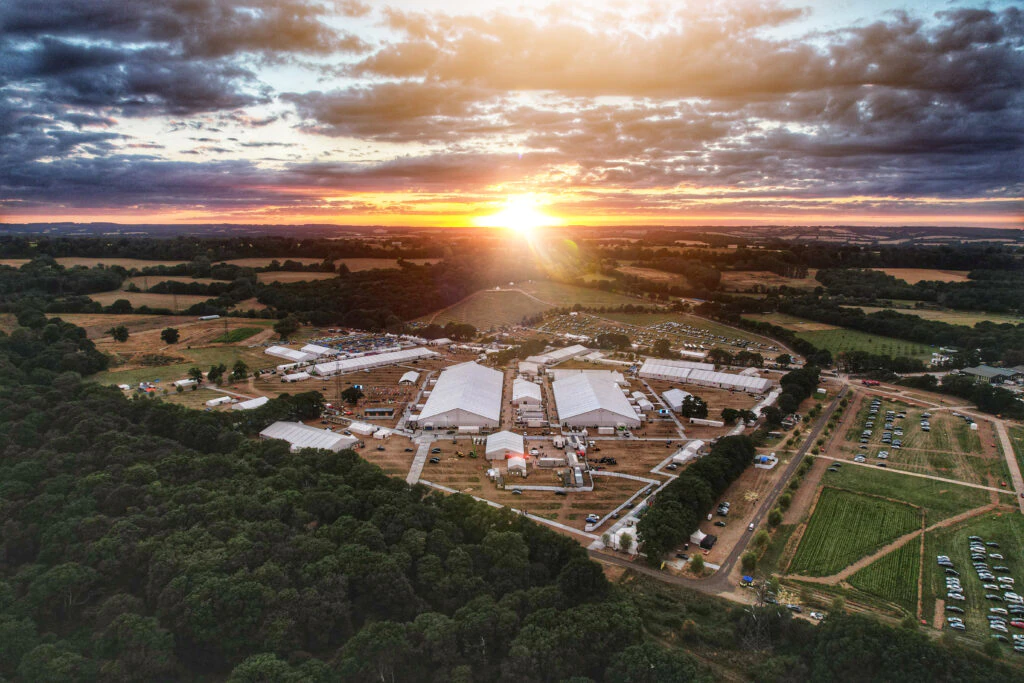
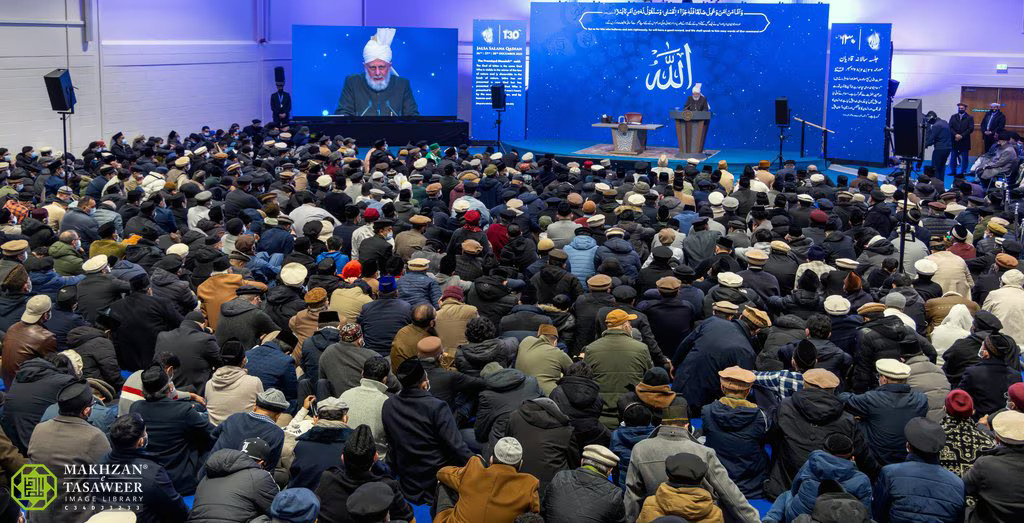
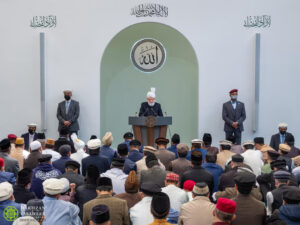
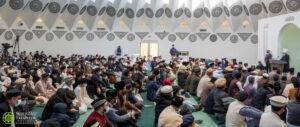
As Britain prepares to host the largest Muslim convention in Europe, the transformation of this humble gathering from its modest origins to a global event stands as a Divine sign. Yet another aspect of its history offers an even more emphatic testimony to the existence of God.
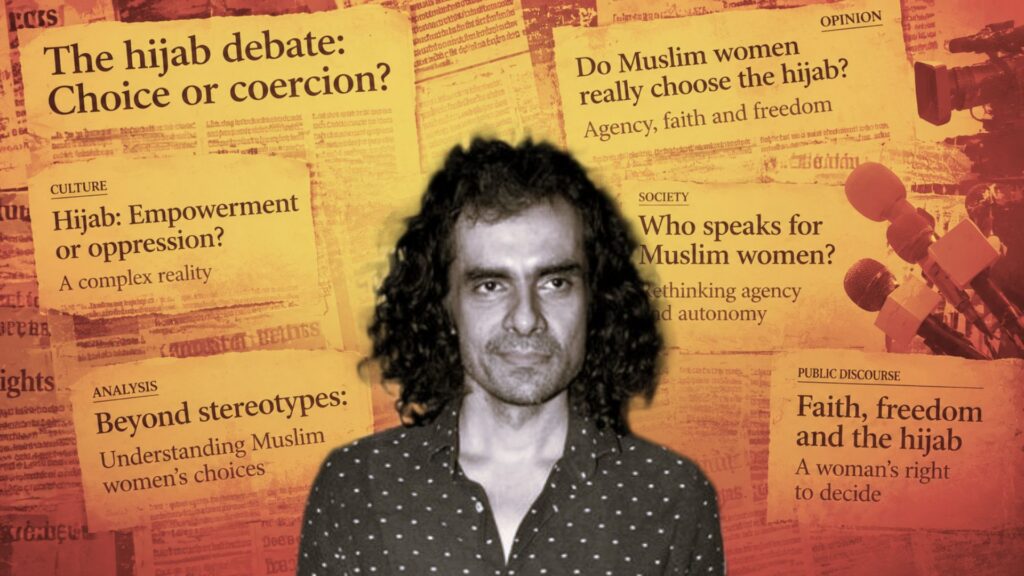
Can a woman truly be said to have freedom if her choices are only respected when they conform to someone else’s idea of liberation? The debate over the burqa reveals less about Muslim women and more about who is allowed the dignity of agency.
In the early 7th century, when academic traditions had largely faded across much of the known world, the seeds of a new intellectual revolution were sown in Arabia. What followed was a Golden Age that laid the foundations for modern science and civilisation.
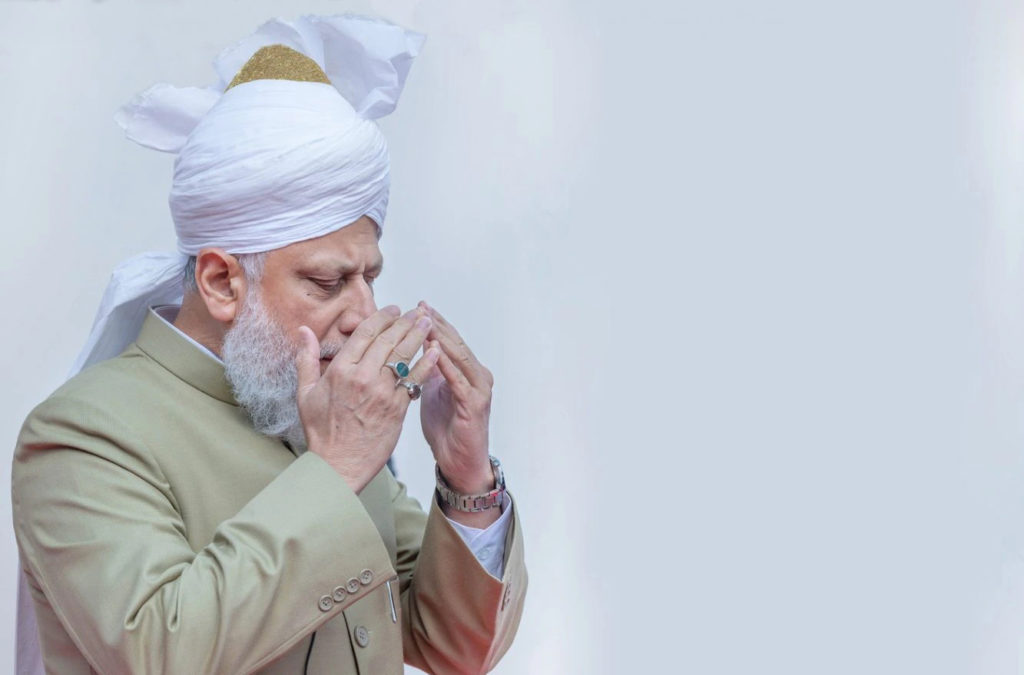
In moments when words feel inadequate and answers seem distant, Khilafat offers something deeper: the reassurance of being heard, remembered, and held in prayer.
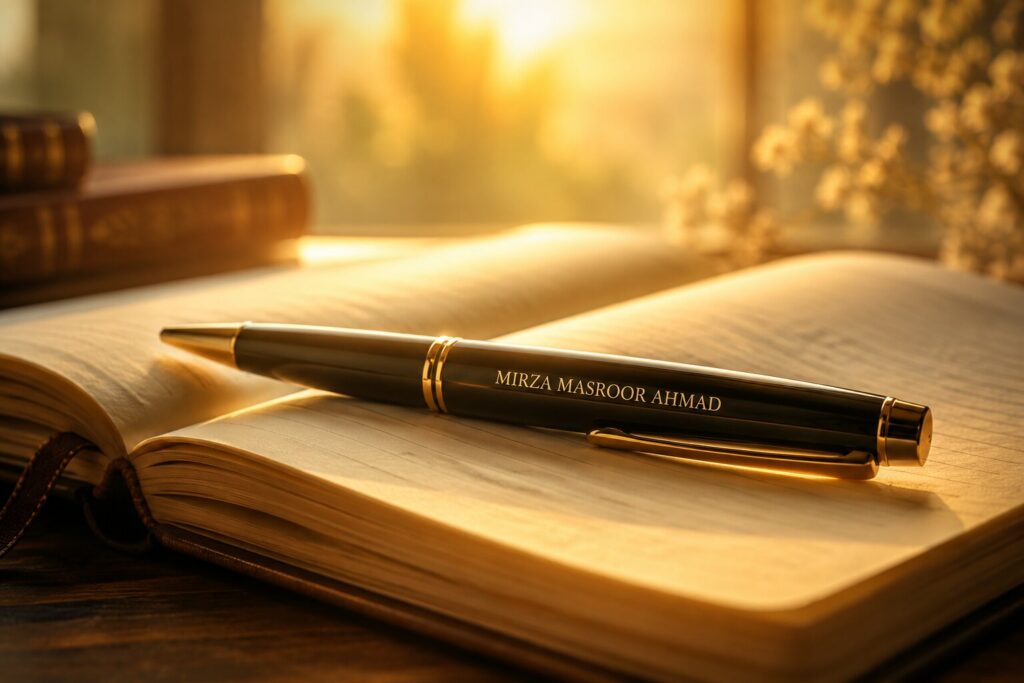
During a period of spiritual distance, a simple gift from the Khalifa became a symbol of purpose, trust, and a lifelong commitment to serving faith through words.
It is commonly argued that science and faith cannot coexist. However, some of the greatest scientific minds—those who have viewed the world from a vantage point experienced by only a handful in human history—beg to differ.
Those who accept beliefs without investigation follow error and hearsay, whereas true believers base their faith on proof, reasoning and certain knowledge.
As the new year begins, the Ahmadiyya Caliph appeals for prayers for the progress of the Community, the release of imprisoned Ahmadis, the deliverance of oppressed people worldwide, and the establishment of peace across the globe.
Across history, there have been many attempts to end slavery. Yet, all too often, emancipation came at the cost of human lives or remained confined to paper, thus falling short of securing true human dignity.
The Ahmadiyya Khalifa addresses the Annual Convention in Qadian, outlining the need to practically fulfil the conditions of the pledge of allegiance to the Promised Messiah(as).
Does the Quran truly foretell universal truths? Or does it merely echo scientific discoveries? Recent advances in cosmology show that the Quran accurately predicts many phenomena that are centuries ahead of its time.
From keys to phones to wealth and fame, human beings always tend to search for things in the wrong places—peace being no exception. Often, one simply forgets that true contentment can come only from the One who created it.
In a world where modern efforts often fail to resolve conflicts, the Treaty of Hudaybiya, concluded fourteen centuries ago, offers timeless lessons in diplomacy, patience, and principled leadership.