

In today’s age, Islam is subjected to heavy criticisms, and its teachings and commandments are often misunderstood. Since most of these criticisms arise from the misinterpretation of the Quranic text, an accurate and true explanation of the scripture is called for. As such, this series aims to present the authentic interpretation of the Holy Quran as provided by the leaders of the Ahmadiyya Muslim Community, which we believe will do a great deal in dispelling the numerous misconceptions that have become associated with Islam.
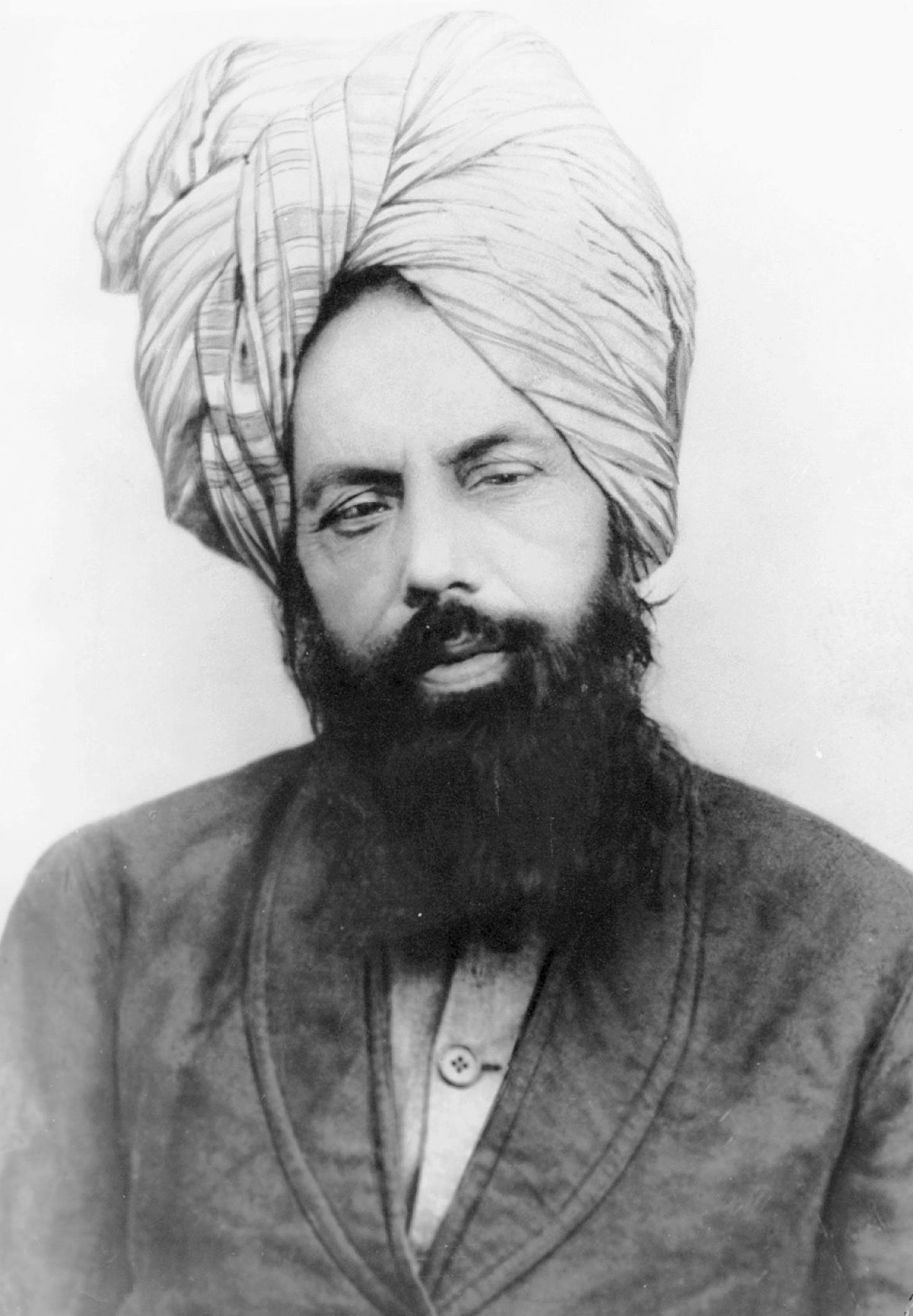
In this instalment, we present the commentary of the Quranic verse 25:74 from Tafsir-e-Kabir (The Grand Exegesis) by Hazrat Mirza Bashiruddin Mahmud Ahmadra. This verse, along with the preceding few verses, provides a brief description of the various qualities of the righteous servants of the Gracious God.
This abridged translation is not an official rendering but is being published for the benefit of readers in view of the aforementioned objective. Light of Islam takes full responsibility for any errors in the translation and summary.
وَالَّذِینَ اِذَا ذُکِّرُوا بِاٰیٰتِ رَبِّہِم لَم یَخِرُّوا عَلَیہَا صُمًّا وَّعُمیَانًا
And those who, when they are reminded of the Signs of their Lord, fall not deaf and blind thereat.
Holy Quran 25:74
Keyword Analysis
Yakhirru (fall): ‘Kharra’ or ‘yakhirru’ means to fall, making a sound to be heard at the same time. As such, the phrase ‘kharru lahu sujjadan’ occurring in the Quran signifies falling in prostration while also producing sounds of tasbih—invoking the glory of Allah. (Mufradat)
Umyanan (blind): ‘Umyanan’ is the plural of ‘a’ma’, meaning blind. (Aqrab)
Commentary
The verse says that it is a characteristic of the servants of the Gracious God that, when the signs of God are recited before them, they do not remain blind and deaf to them; rather, they listen attentively with their eyes and ears open.
The verse also draws attention to the fact that the righteous servants of Allah do not believe in anything blindly, but only after reflection and on the basis of evidence. Allah points to this fact at another place, saying:
“I call unto Allah on sure knowledge, I and those who follow me. And Holy is Allah; and I am not of those who associate gods (with God).”[1]
That is, it commands the Prophet to say to the disbelievers that he calls them towards God on the basis of conviction, and that he and his followers do not believe without evidence; rather, they believe after investigation, in light of proofs that are free from doubt.
For this reason, the Holy Quran has regarded all such beliefs that are accepted without evidence to be flawed. Hence, it states:
“‘These are but names which you have named—you and your fathers—for which Allah has sent down no authority.’ They follow naught but conjecture and what their souls desire.”[2]
“Say, ‘Do you know what it is you call on beside Allah? Show me what they have created of the earth. Or have they a share in the (creation of the) heavens? Bring me a Book (revealed) before this or some vestige of knowledge (in your support), if you (indeed) speak the truth.’”[3]
“Have We sent down to them any authority which speaks (in favour) of what they associate with Him?”[4]
“Say, ‘Have you any knowledge? Then produce it for us. You follow nothing but (mere) conjecture. And you do nothing but lie.’”[5]
In the above verses, the Quran challenges idolaters to either provide evidence from previous scriptures or present any rational arguments they may have received from their forefathers in support of their beliefs. Because of their failure to produce any such evidence, the Quran declares that they are merely following their selfish desires and hearsay.
On the other hand, the Holy Quran states that Allah calls on the basis of arguments:
“Say, ‘Allah’s is the argument that reaches (home).’”[6]
That is, whatever Allah requires us to believe in is substantiated by proofs. This clearly implies that anything not supported by evidence cannot be understood to be from God.
Likewise, the Quran states at another place:
“Proofs have indeed come to you from your Lord; so whoever sees, it is for his own good; and whoever becomes blind, it is to his own harm.”[7]
Thus, it is clear from all these verses that only such belief is regarded as true faith in Allah’s estimation which is accepted with open eyes and ears—meaning, a belief grounded in sure knowledge, conviction and certainty. Anyone who subscribes to a belief without proper investigation and true understanding would be, despite claiming to have faith, blind and deaf according to Quranic terminology.
END NOTES
[1] Holy Quran 12:109
[2] Holy Quran 53:24
[3] Holy Quran 46:5
[4] Holy Quran 30:36
[5] Holy Quran 6:149
[6] Holy Quran 6:150
[7] Holy Quran 6:150









0 Comments