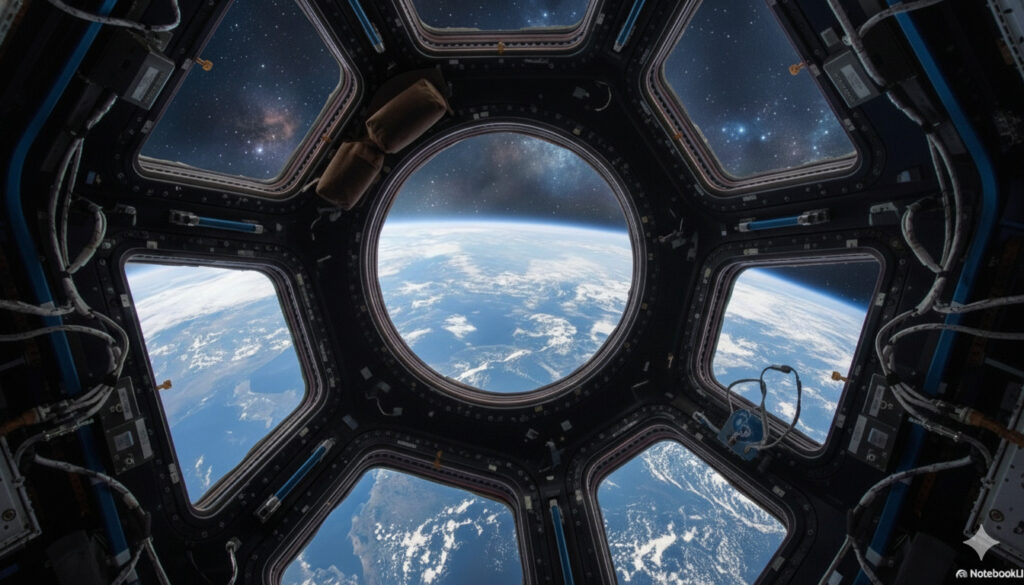
For the second time, astronomers have obtained the image of a black hole; this time, the one at the centre of our own galaxy. Notwithstanding claims to the contrary, this shows that not everything is perceived through vision.
Godly people i.e. those who develop a relationship of love with God experience no urge to pursue earthly desires or worldly pleasures. Instead, God remains the sole purpose of their lives.
The injunction of Hijab is not just recommendatory. Nor is the concept of Purdah an innovative practice. Those who observe Hijab abide by the fundamental commandment of the Holy Quran.
For two decades, the Worldwide Head of the Ahmadiyya Muslim Community has been warning the world of an impending Third World War. Unfortunately, no heed was paid to his words.
The virtual world of the internet is connected with the actual world in both ways. It reflects as well as influences how humans behave in the real world.
Islam envisions the world in the form of a pluralistic ecosystem. Hence, enacting shariah law becomes impossible even in countries with Muslim majorities, let alone the multireligious nations and societies.
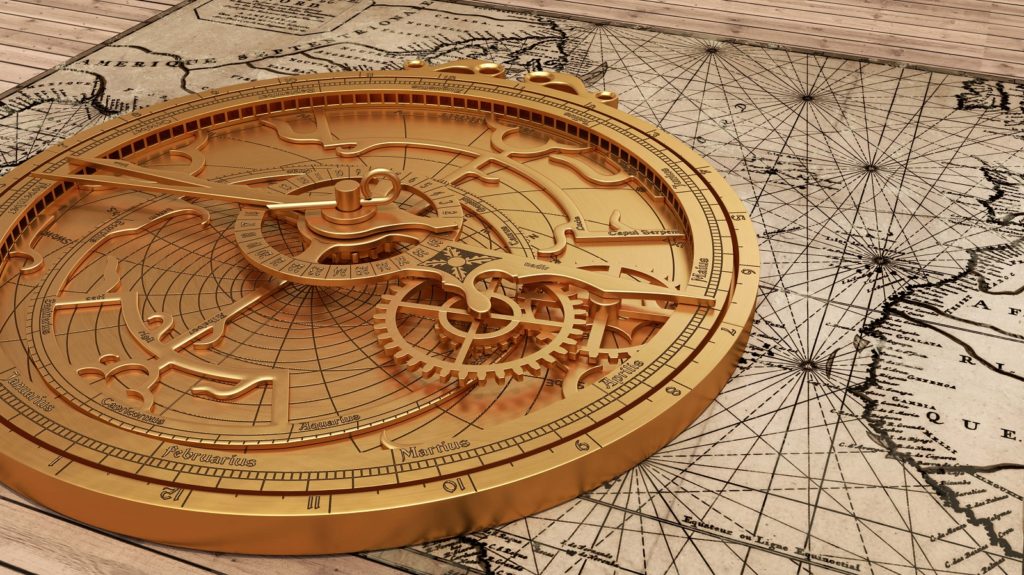
In around 770 AD, an embassy from India, including an astronomer, visited the then Abbasid Caliph Al-Mansur in Baghdad. The meeting was to open up an avenue for a fruitful interaction between India and the Arab world.
Global unrest grows where justice is compromised, and divisions are allowed to deepen. True security lies in strengthening faith, fostering unity, and striving for peace so that societies are protected from conflict and moral decline.
As Ramadan draws to a close, the true measure of its success lies in allowing its spiritual colour to permeate our lives, shaping our character and guiding our actions for a lifetime.
A special feature in celebration of International Women’s Day, highlighting tributes from Ahmadi Muslim women from diverse walks of life, reflecting on the female role models who have shaped their lives and inspired their journeys.
In a time of rising global tensions and growing disputes between nations, the need for responsible leadership and multilateral efforts to avert wider conflict has never been more important.
Fasting is obligatory, although the sick, the traveller, and those unable to bear it are exempt. Those unaware of these principles often fall into excess or neglect regarding the obligations of Ramadan, forgetting that religion is not a burden but a means of growth.
Ramadan is not merely a ritual of abstinence, but a sacred season of transformation. In its atmosphere of worship, restraint, and renewal lies a unique opportunity to reform the self, break old habits, and begin anew.
True security lies not in fear, but in faith—strengthening one’s bond with Allah, continuing to plan with wisdom, and striving with hope regardless of global uncertainty.
Do we worship what we fear? It is commonly held that belief in God emerged gradually as a result of humanity’s awe of natural forces. However, a study of history reveals this theory to be so devoid of evidence that it amounts to nothing but the speculation of atheistic thinkers.
Why would a good God allow suffering? If He is all-powerful and all-merciful, why does He not rid the world of misery? Isn’t a truly painless world the paradise we long for—or would such a reality, paradoxically, be nightmarish?
It is commonly argued that science and faith cannot coexist. However, some of the greatest scientific minds—those who have viewed the world from a vantage point experienced by only a handful in human history—beg to differ.