ARTICLES
Do we worship what we fear? It is commonly held that belief in God emerged gradually as a result of humanity’s awe of natural forces. However, a study of history reveals this theory to be so devoid of evidence that it amounts to nothing but the speculation of atheistic thinkers.
Why would a good God allow suffering? If He is all-powerful and all-merciful, why does He not rid the world of misery? Isn’t a truly painless world the paradise we long for—or would such a reality, paradoxically, be nightmarish?
It is commonly argued that science and faith cannot coexist. However, some of the greatest scientific minds—those who have viewed the world from a vantage point experienced by only a handful in human history—beg to differ.
As enthusiasm fades and routines falter, consistency becomes the key to staying aligned with your goals and turning intention into lasting progress.
Those who accept beliefs without investigation follow error and hearsay, whereas true believers base their faith on proof, reasoning and certain knowledge.
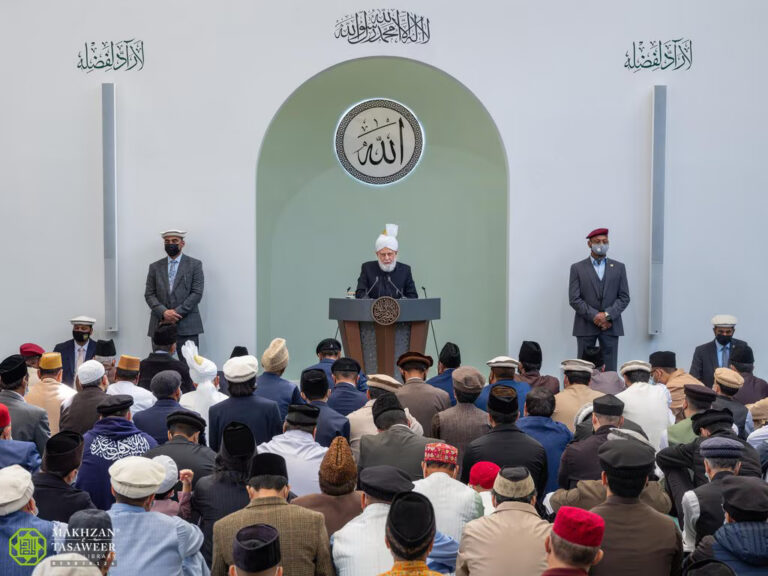
As the new year begins, the Ahmadiyya Caliph appeals for prayers for the progress of the Community, the release of imprisoned Ahmadis, the deliverance of oppressed people worldwide, and the establishment of peace across the globe.
Across history, there have been many attempts to end slavery. Yet, all too often, emancipation came at the cost of human lives or remained confined to paper, thus falling short of securing true human dignity.
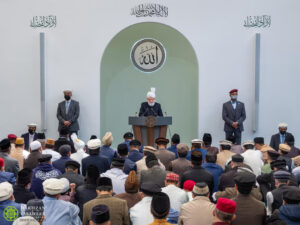
The Ahmadiyya Khalifa addresses the Annual Convention in Qadian, outlining the need to practically fulfil the conditions of the pledge of allegiance to the Promised Messiah(as).
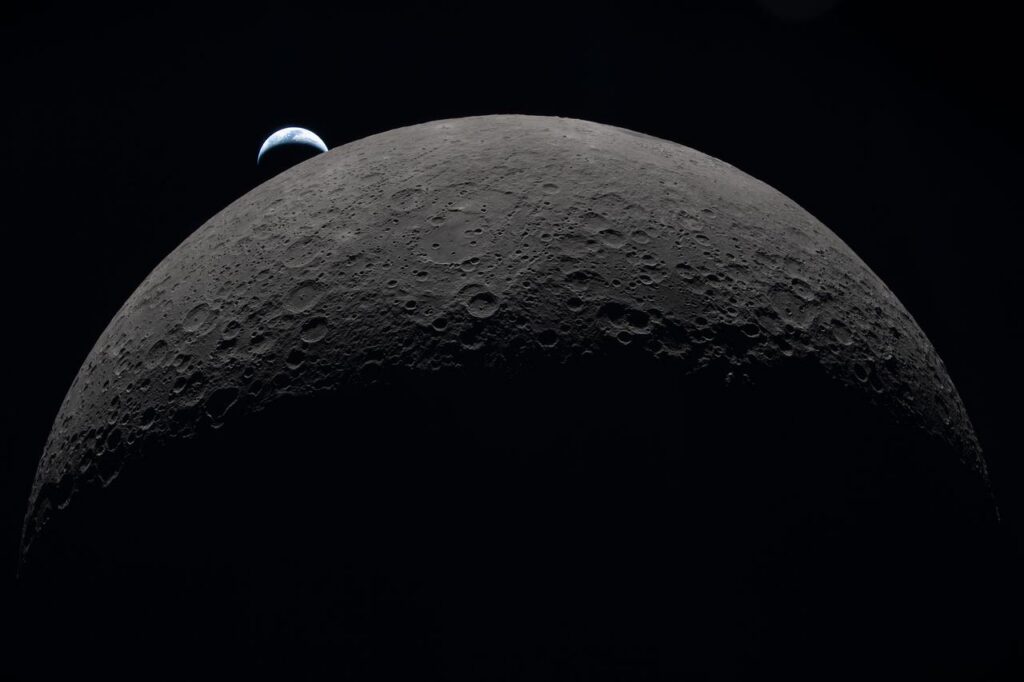
Does the Quran truly foretell universal truths? Or does it merely echo scientific discoveries? Recent advances in cosmology show that the Quran accurately predicts many phenomena that are centuries ahead of its time.
From keys to phones to wealth and fame, human beings always tend to search for things in the wrong places—peace being no exception. Often, one simply forgets that true contentment can come only from the One who created it.
When the world turned us away, the prayers of the Khalifa offered comfort, resilience, and the strength to persevere through every trial.
In a moment of uncertainty, the Khalifa’s prayers and trust offered a powerful lesson in freedom, faith, and the dignity of choice.
More precious than gold itself, the letters from the Khalifa carried prayers, comfort, and a spiritual connection that strengthened faith at every stage of life.
When Ibrahim(as) raised the knife, it was not the animal that was being tested. It was the man holding it. Eid al-Adha is a reminder that sacrifice is not meant to end with the ritual, but to begin with it.
Travelling to meet the Khalifa was a journey of priceless value for our family, where worldly concerns became insignificant before the weight of spiritual blessing.
In an age fractured by division, confusion, and spiritual uncertainty, Khilafat stands as Islam’s enduring institution of unity—offering moral clarity, divine guidance, and a living connection between humanity and God.
Debates surrounding animal sacrifice intensify during Eid al-Adha. However such discussions often fail to recognise that true sacrifice in Islam extends far beyond the material ritual, centring on righteousness and spiritual reflection.
While the modern world still debates the right of women to education, Islam, over fourteen centuries ago, revolutionised women’s rights by declaring that the acquisition of knowledge is—not just a right—but a responsibility of women.
What begins as a few minutes of harmless scrolling often turns into mental exhaustion and distraction. While disconnecting from technology is not a realistic option in today’s world, we can still choose to use it wisely.
As reliance on artificial intelligence increases, how can patients be guided to place their trust in doctors’ informed medical judgment rather than in artificial intelligence?