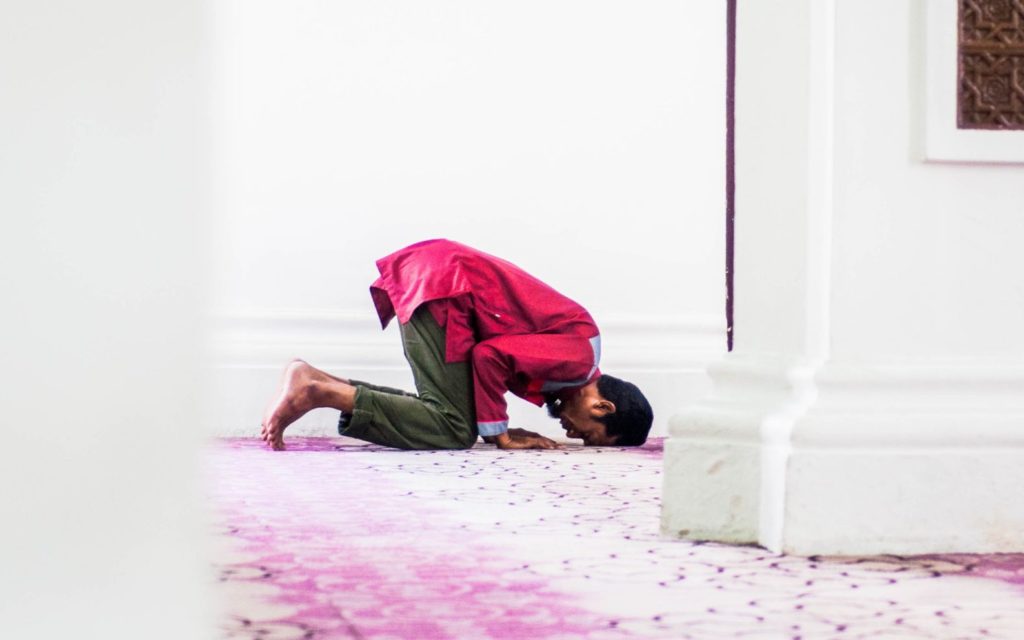
Ramadan is not merely a ritual of abstinence, but a sacred season of transformation. In its atmosphere of worship, restraint, and renewal lies a unique opportunity to reform the self, break old habits, and begin anew.
Do we worship what we fear? It is commonly held that belief in God emerged gradually as a result of humanity’s awe of natural forces. However, a study of history reveals this theory to be so devoid of evidence that it amounts to nothing but the speculation of atheistic thinkers.
Why would a good God allow suffering? If He is all-powerful and all-merciful, why does He not rid the world of misery? Isn’t a truly painless world the paradise we long for—or would such a reality, paradoxically, be nightmarish?
It is commonly argued that science and faith cannot coexist. However, some of the greatest scientific minds—those who have viewed the world from a vantage point experienced by only a handful in human history—beg to differ.
Those who accept beliefs without investigation follow error and hearsay, whereas true believers base their faith on proof, reasoning and certain knowledge.
As the new year begins, the Ahmadiyya Caliph appeals for prayers for the progress of the Community, the release of imprisoned Ahmadis, the deliverance of oppressed people worldwide, and the establishment of peace across the globe.
Across history, there have been many attempts to end slavery. Yet, all too often, emancipation came at the cost of human lives or remained confined to paper, thus falling short of securing true human dignity.
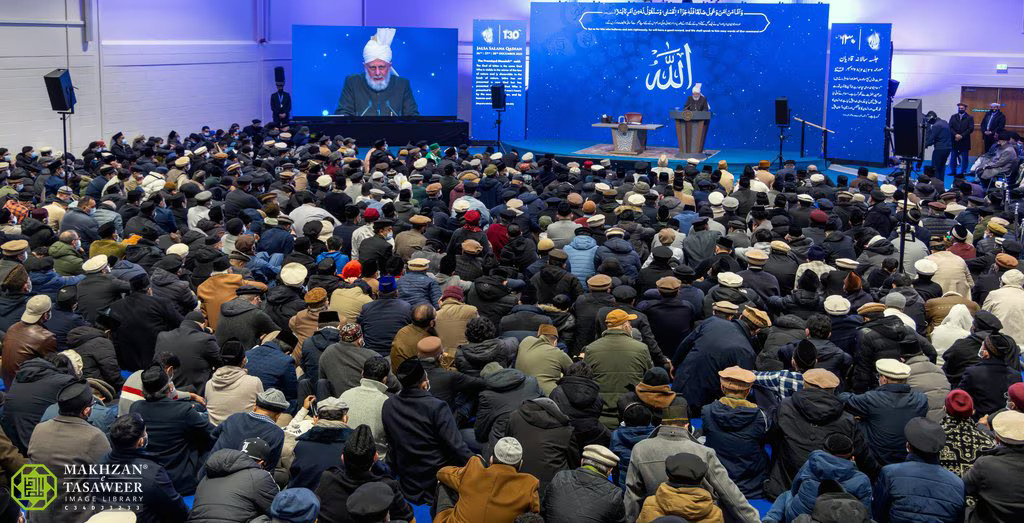
The Ahmadiyya Khalifa addresses the Annual Convention in Qadian, outlining the need to practically fulfil the conditions of the pledge of allegiance to the Promised Messiah(as).
Does the Quran truly foretell universal truths? Or does it merely echo scientific discoveries? Recent advances in cosmology show that the Quran accurately predicts many phenomena that are centuries ahead of its time.
It has become commonplace to insult and disrespect the religious figures of different faiths. Despite repeated instances of such actions disrupting peace in society, they are often justified in the name of freedom of speech.
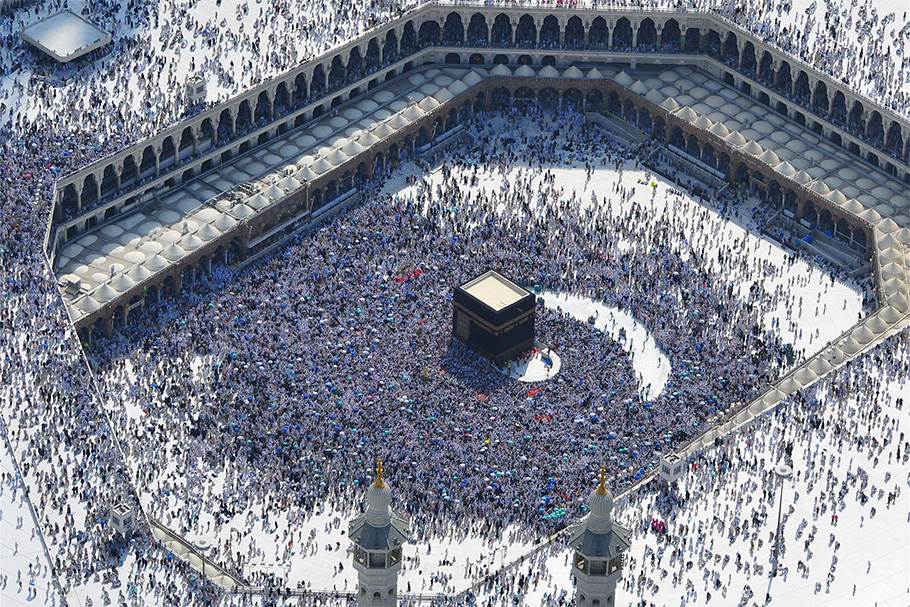
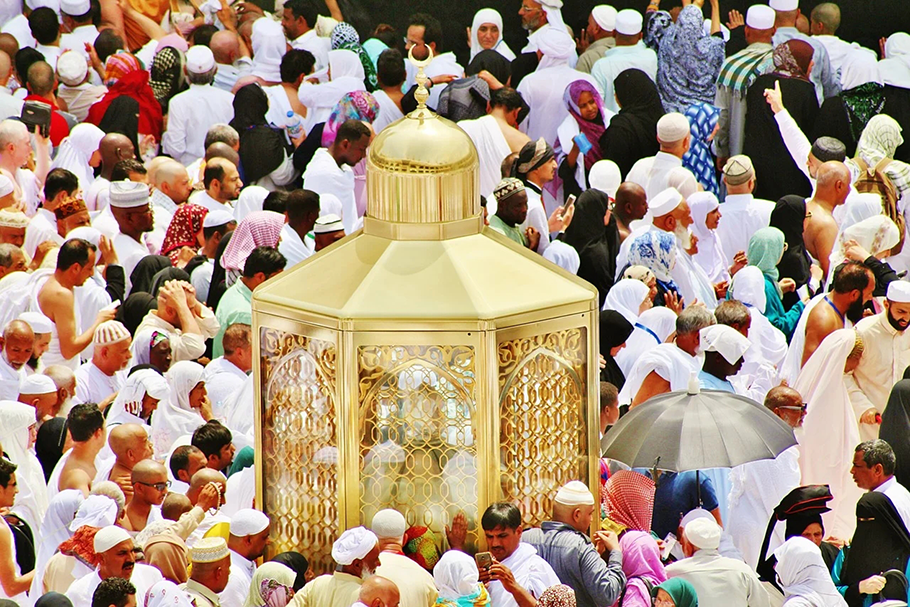
Hajj holds within it three main objectives; reforming one’s ego, establishing a strong bond with God and creating a healthier relationship with mankind.
How can a Merciful God demand the slaughter of a child? How can a pious father kill his son? How come this is not a sanguinary tradition? There are many myths related to Eid al-Adha, all but emanating from ignorance about Islamic ideologies.
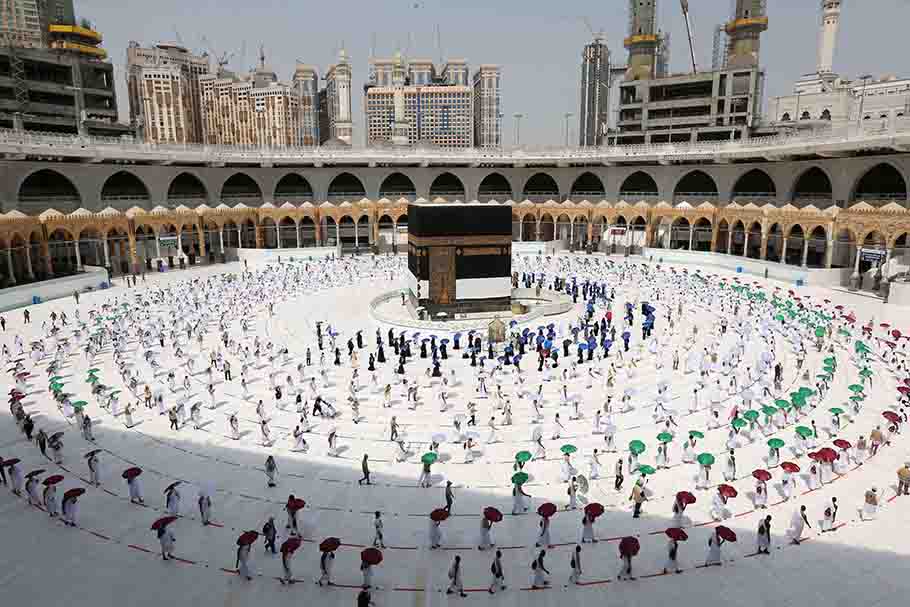
As homes became mosques, the pandemic has proved how Islamic teachings are applicable in changing circumstances. The downscaling of this year's Hajj pilgrimage further establishes this truth.
Addiction among children and youth is a grave issue of the time. Not only does addiction divert humans from spiritual activities, it also affects the functioning of a person in all aspects of life.
Suicide is a social and psychological phenomenon that is present in every culture. Every year, around 800,000 people take their own life. However, suicide is preventable with correct and timely approach.
Nations have always devised strategies to wage wars in the disguise of stopping injustice. But the world has witnessed many a time how truthful their intentions were and how fruitful such wars proved to be.
Repentance is not a license to sin; it is the key to righteousness. True repentance is that which encourages man to refrain from evil deeds and engage in virtuous acts.
Coping with anxiety can be a challenge especially when we are living in anxiety-inducing times; however, understanding the triggers and taking proper measures can calm your anxiety from taking over.
While modern society rage over Muslim women wearing the hijab, they purposefully turn a blind eye to the vast sexualisation of women in the media and fashion industry.