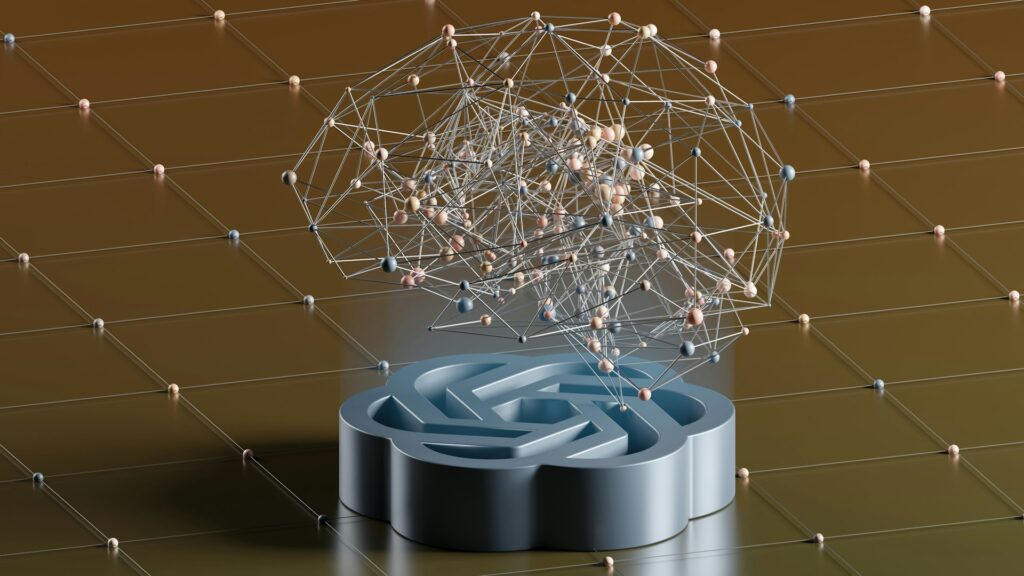
As reliance on artificial intelligence increases, how can patients be guided to place their trust in doctors’ informed medical judgment rather than in artificial intelligence?
Did Prophet Noahas take every animal species into the Ark? Was the Ark vast enough to contain all creatures on earth? Or did the command simply refer to taking only the animals that were needed?
Gaining the true cognition of God has never been simple—and perhaps never more easily prone to error than today. Could God have left us to wander in uncertainty, or has He arranged a means to guide us to His true recognition?
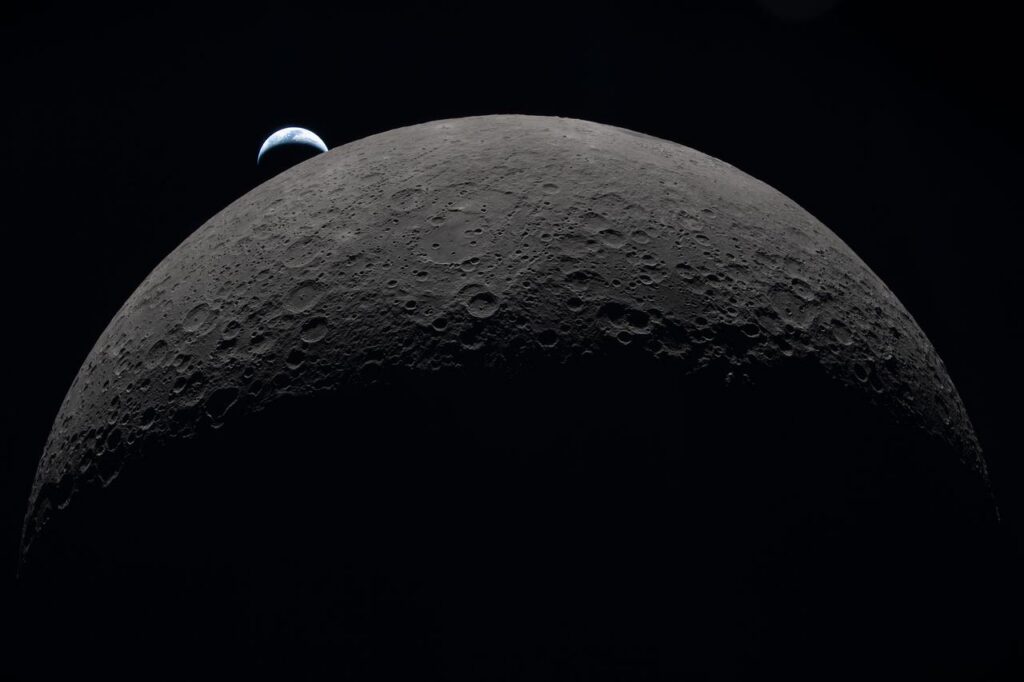
As humanity returns to the Moon after decades and witnesses yet more grand views of the universe, many are discussing the scientific and spiritual implications of the Artemis program. Tellingly, some atheists do not seem to like it.
Global unrest grows where justice is compromised, and divisions are allowed to deepen. True security lies in strengthening faith, fostering unity, and striving for peace so that societies are protected from conflict and moral decline.
As Ramadan draws to a close, the true measure of its success lies in allowing its spiritual colour to permeate our lives, shaping our character and guiding our actions for a lifetime.
A special feature in celebration of International Women’s Day, highlighting tributes from Ahmadi Muslim women from diverse walks of life, reflecting on the female role models who have shaped their lives and inspired their journeys.
In a time of rising global tensions and growing disputes between nations, the need for responsible leadership and multilateral efforts to avert wider conflict has never been more important.
Fasting is obligatory, although the sick, the traveller, and those unable to bear it are exempt. Those unaware of these principles often fall into excess or neglect regarding the obligations of Ramadan, forgetting that religion is not a burden but a means of growth.
Ramadan is not merely a ritual of abstinence, but a sacred season of transformation. In its atmosphere of worship, restraint, and renewal lies a unique opportunity to reform the self, break old habits, and begin anew.
Contrary to the common belief that Adam(as) was forbidden to approach a physical tree, a study of the Quranic verses reveals that the command addressed a concept of much greater significance.
Atheists have long argued that the onus does not lie with them to disprove God’s existence. Here we examine if they are truly exempt from the rational burden of substantiating their beliefs.
Following his dream to become a researcher, the author is faced with challenges, but is ultimately granted fulfilment and conviction about God’s existence.
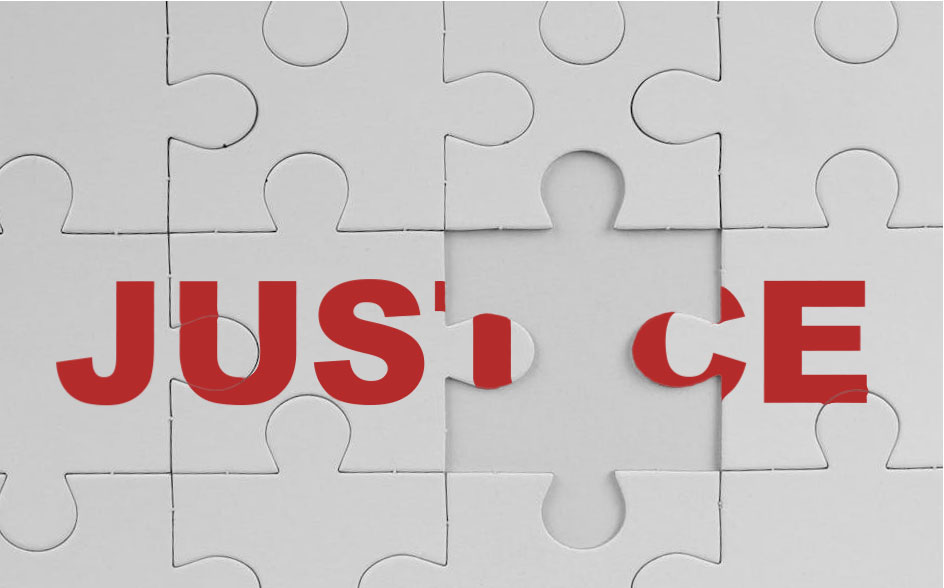
Worldly principles attempt to define justice through materialistic values, without reference to God. However, those theories fall short of shaping a system that fulfils all requirements of justice.
As long as a person is immersed in the material world, they cannot relinquish the desire to acquire the paltry goods of this life. On the contrary, the more a person bonds with God, the more they experience peace of mind.
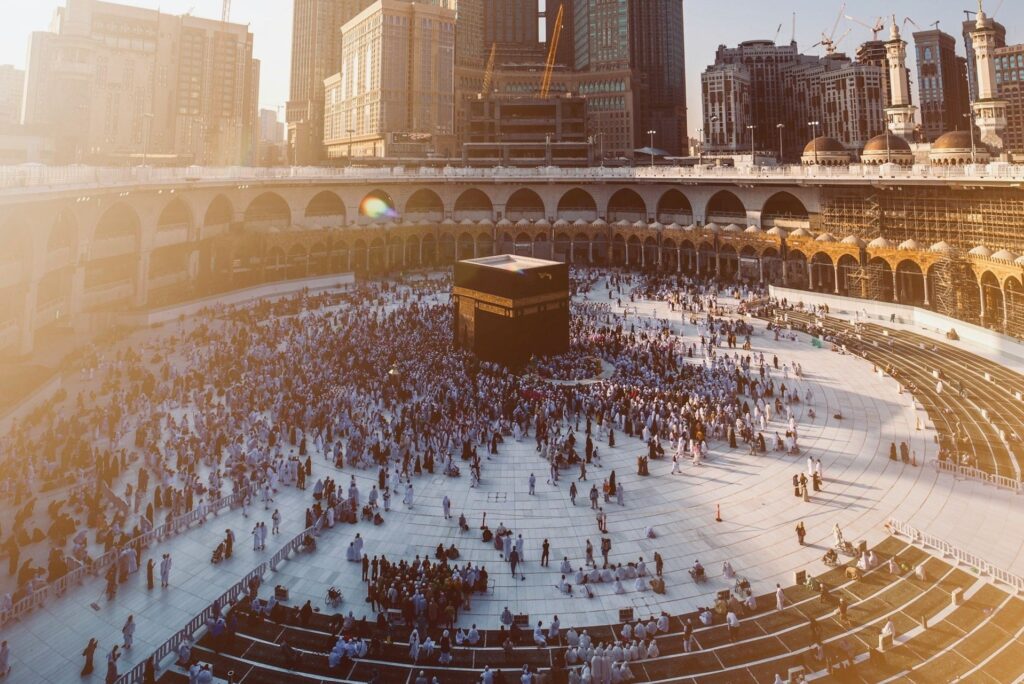
Eid al-Adha is a celebration of sacrifice, spirituality, and renewal. It embodies the timeless values of devotion, obedience, and compassion that are central to Islam.
Homes should cultivate an environment where every child, boy or girl, feels equally valued. No child should feel that changing their gender would bring them more importance.
Artificial Intelligence is not superior to human intelligence. Like every technology, AI also presents both advantages and risks. If utilised wisely, it will be advantageous. Similarly, it can be detrimental, if misused.
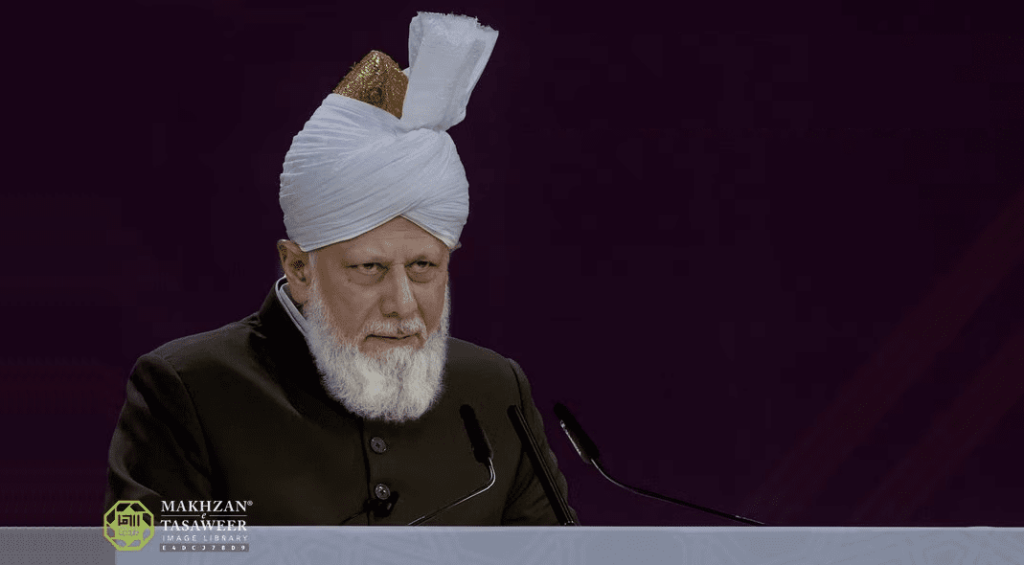
In the journey of faith, fraught with twists and turns, doubts and uncertainties, the Khalifa’s speeches serve as a guiding light, offering reassurance to weary souls.
The journey of Arabian society from the age of ignorance to the age of Islam witnessed profound changes in their societal norms, particularly in the status of women.