ARTICLES
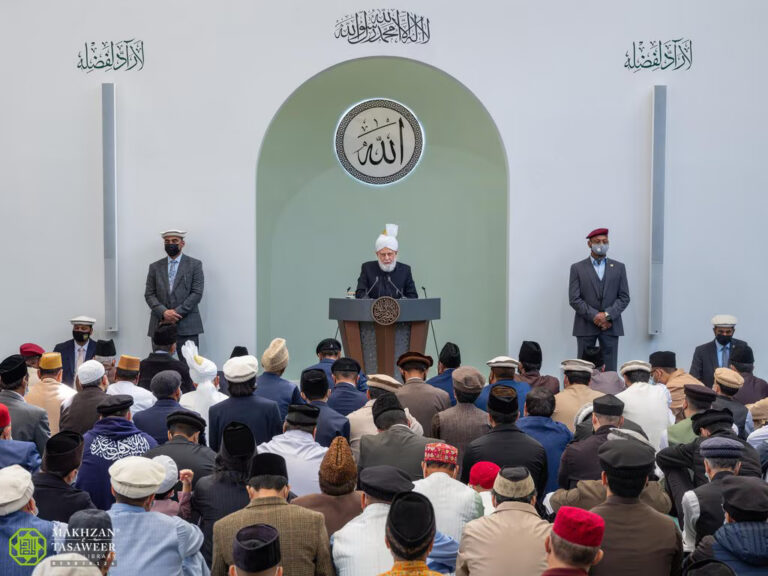
In an age fractured by division, confusion, and spiritual uncertainty, Khilafat stands as Islam’s enduring institution of unity—offering moral clarity, divine guidance, and a living connection between humanity and God.
While the modern world still debates the right of women to education, Islam, over fourteen centuries ago, revolutionised women’s rights by declaring that the acquisition of knowledge is—not just a right—but a responsibility of women.
What begins as a few minutes of harmless scrolling often turns into something far more difficult to explain: mental exhaustion, distraction, and a growing inability to sit quietly with oneself. While disconnecting from technology is not a realistic option in today’s world, we can still choose to use it wisely.
As reliance on artificial intelligence increases, how can patients be guided to place their trust in doctors’ informed medical judgment rather than in artificial intelligence?
Did Prophet Noahas take every animal species into the Ark? Was the Ark vast enough to contain all creatures on earth? Or did the command simply refer to taking only the animals that were needed?
Gaining the true cognition of God has never been simple—and perhaps never more easily prone to error than today. Could God have left us to wander in uncertainty, or has He arranged a means to guide us to His true recognition?
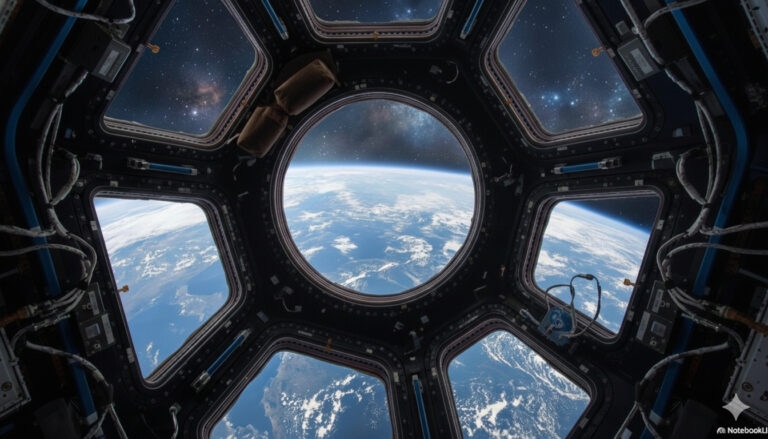
As humanity returns to the Moon after decades and witnesses yet more grand views of the universe, many are discussing the scientific and spiritual implications of the Artemis program. Tellingly, some atheists do not seem to like it.
Global unrest grows where justice is compromised, and divisions are allowed to deepen. True security lies in strengthening faith, fostering unity, and striving for peace so that societies are protected from conflict and moral decline.
As Ramadan draws to a close, the true measure of its success lies in allowing its spiritual colour to permeate our lives, shaping our character and guiding our actions for a lifetime.
A special feature in celebration of International Women’s Day, highlighting tributes from Ahmadi Muslim women from diverse walks of life, reflecting on the female role models who have shaped their lives and inspired their journeys.
Obsessive-Compulsive Disorder (OCD) is a complex but treatable mental health condition marked by intrusive thoughts and repetitive behaviours. Early recognition and timely intervention are key to managing symptoms and improving quality of life.
Terrorism thrives where justice and public welfare are neglected. The Ahmadiyya Caliph urges leaders to serve the people and build economic stability to prevent extremist influence and preserve national peace.
In an era where women’s voices were often silenced, Hazrat Aishara spoke with wisdom and authority, exemplifying the rights women held in Islam from its outset.
Rather than being a mythical figure of the future, the Prophetic warnings show that Dajjal is an ever-present system of deception disguised as modernity, progress, and freedom.
Surrogacy challenges the Islamic concept of motherhood and lineage. The Ahmadiyya Caliph outlines why the practice is unlawful in Islam and emphasises preserving the sanctity of the family structure.
Adamas introduced a system and laid the foundations of a kingdom that ushered in the era of social progress of man.
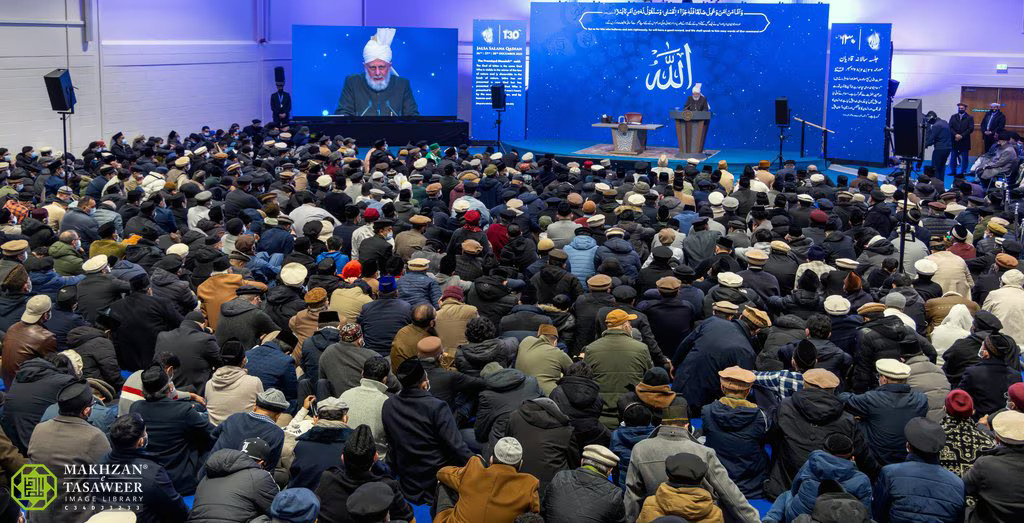
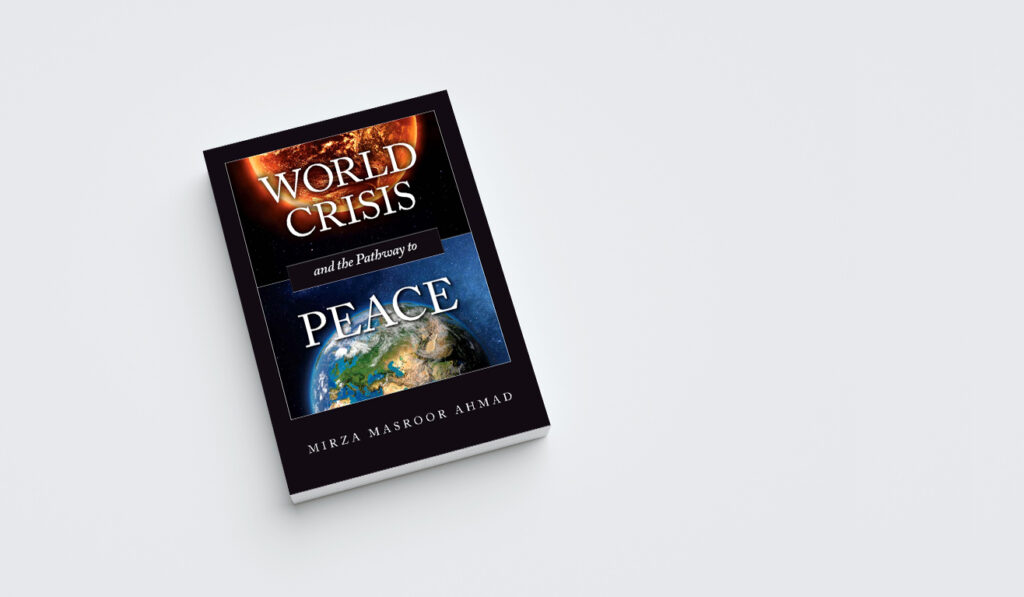
In a world shadowed by conflict, division, and uncertainty, the Ahmadiyya Muslim Community, under the leadership of its Khalifa, provides a clear and urgent roadmap to peace.
Amidst worsening global circumstances, the Ahmadiyya Khalifa urges prayers and calls upon Muslim nations to unite.
Do you struggle to stick to your resolutions? Often, it’s the small, consistent steps, not radical change, that lead to lasting transformation—a principle deeply embedded in Islam and reflected in its daily practices.
For over two decades, the Ahmadiyya Khalifa has been warning the world about the urgent need for justice and peace. Yet, his consistent calls remain largely unheeded as global tensions continue to rise.