



















SAMAR HAFEEZ, BANGALORE
The human body is remarkably equipped with natural ways to protect and repair itself. One of its most sophisticated defence mechanisms is the immune system. It is a system that helps protect and restore the body, enabling us to stay resilient and enjoy life despite changes in weather, environment, travel, and daily routine.
What exactly is immunity?
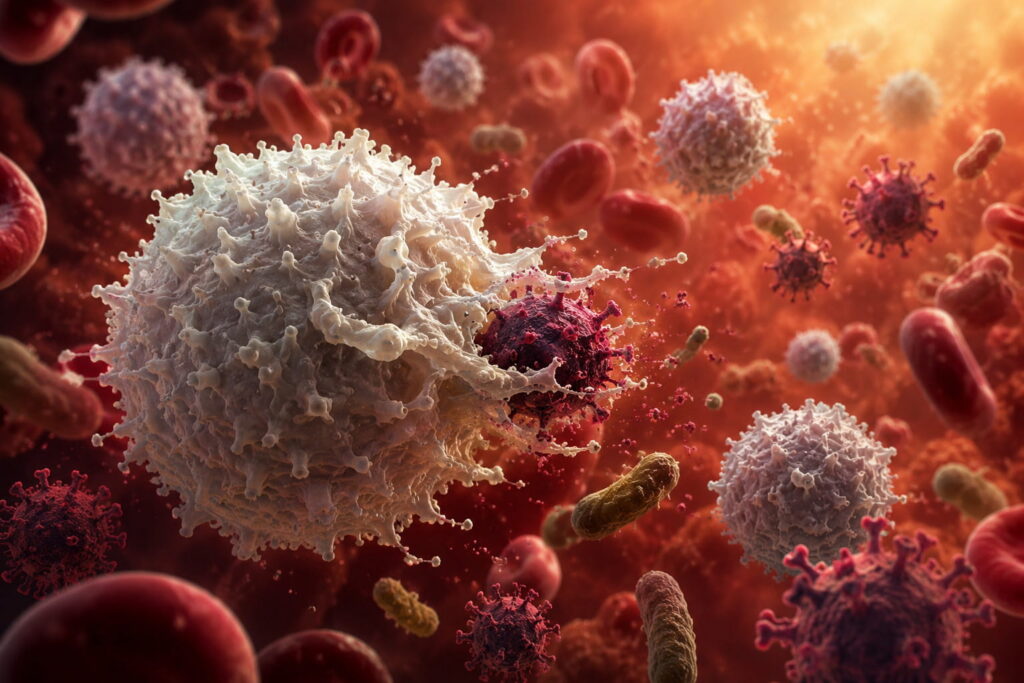
Immunity refers to the body’s state of resistance and defence against invading harmful pathogens and infections. A strong and adaptive immune system protects the body against viral and bacterial infections and can also help in reducing the frequency, severity, and duration of illnesses.
In recent times, there have been significant changes in our eating, exercise, and sleeping habits, along with increasing mental and emotional pressures and stress. These lifestyle changes are negatively affecting our immune system, potentially making us more vulnerable to illness. This is reflected in the increasing frequency with which people fall sick nowadays.
This draws our attention to the many factors that affect our immunity, particularly the impact of our lifestyle. Although there is no single way to ‘boost’ immunity overnight, improving our immune system naturally may be easier than you think. From what we eat and how well we sleep to how much we move and manage stress, our everyday choices can make a meaningful difference. Here’s how:
Balanced diet
A balanced, nutrient-rich diet provides the vitamins, minerals, protein, healthy fats, and other nutrients that the immune system needs to function effectively. Some nutrients play particularly important roles in supporting normal immune function.
Vitamin C: Vitamin C is a favourite when it comes to immune health, supporting normal immune function and providing antioxidant protection. Include plenty of fruits and vegetables rich in Vitamin C in your daily diet. Some of the best sources include citrus fruits (such as lemon, oranges and sweet lime), strawberries, dark green leafy vegetables, bell peppers, radishes (including the leaves), tomatoes, and melons (such as cantaloupes and watermelons).
Tip: Vitamin C can improve the absorption of iron from plant-based foods. Combining iron-rich foods with Vitamin C-rich foods can therefore be beneficial.
Vitamins A and E: Vitamins A and E both play important roles in supporting immune function. Vitamin A helps maintain healthy immune barriers and regulate immune responses, while Vitamin E acts as an antioxidant, helping protect cells from free-radical damage and oxidative stress. Good sources of Vitamin A include carrots, pumpkin, sweet potatoes, squash, spinach, lettuce, other green leafy vegetables, meat, fish (such as salmon and tuna), eggs, cheese, and Vitamin A fortified skimmed milk. Vitamin E is found in foods such as almonds, walnuts, unsalted peanuts, and seeds such as flaxseeds and pumpkin seeds.
Vitamin D: Vitamin D is produced in the body when the skin is exposed to sunlight. This ‘sunshine vitamin’ plays an important role in regulating immune responses and influences the function of key immune cells. It may also influence the risk of some autoimmune diseases, while low Vitamin D levels have been associated with an increased risk of some infections. Vitamin D is naturally present in relatively few foods. Good sources include fatty fish, cod liver oil, egg yolks, oysters, shrimps, and UV-exposed mushrooms. It is also added to fortified foods and beverages such as cereals, milk, orange juice and soy milk.
Tip: Vitamin D status can be assessed with a 25-hydroxy Vitamin D blood test. If you suspect that your levels are low, consult a physician about whether supplementation is appropriate.
Vitamin B6: Vitamin B6 is important for normal immune function and is involved in the production of antibodies and other biochemical processes that support the immune response. Good sources include chicken, fish, green vegetables, avocadoes, whole-grain cereals, brown rice, oatmeal, chickpeas, and soya beans.
Iron, folate, zinc and selenium: Iron, folate, zinc and selenium are essential nutrients that support various aspects of normal immune function. Good food sources include corn, brown or red rice, barley, oats, lentils and other legumes, green leafy vegetables (especially spinach and moringa leaves), beetroot, drumsticks, garlic, broccoli, kale, beans, tuna, chicken, beef, and eggs.
Tip: Iron-deficiency anaemia can affect immune function and may increase susceptibility to infections. If you experience persistent fatigue or have concerns about anaemia, consult your doctor and consider getting your iron status checked.
Probiotics: A healthy immune system begins with a healthy gut. The gut flora, or the beneficial bacteria living in our intestines, plays an important role in maintaining gastrointestinal health and supporting immune function. Foods such as yoghurt with added live cultures, curd, kefir, fermented foods, homemade fermented pickles (made with a salt brine), and buttermilk are good sources of beneficial bacteria.
Lifestyle
In addition to all this, regular exercise, maintaining a healthy weight, getting adequate sleep (at least 7–8 hours), quitting smoking or vaping, and staying adequately hydrated can all support overall health and maintain a healthy immune system. Drinking plenty of water (2.5–3 L per day) can help remove toxins from the body and support healthy immune function.
During summer, a refreshing drink such as lemon water with mint leaves can be a good way to stay hydrated. Alternatively, you can enjoy green tea, which contains antioxidants and can be included as part of a healthy diet.
Altogether, these healthy lifestyle habits can support overall health and contribute to a well-functioning immune system.
Mental health
A very important aspect that we often overlook is the effect of mental stress and negative emotions on our immune system. Scientific research in the field of psychoneuroimmunology has shown that chronic stress can influence immune function, particularly through the release of cortisol and other stress-related hormones.[1] Prolonged stress has also been associated with the progression of certain types of cancer.[2]
Managing stress and nurturing positive emotional wellbeing are therefore important aspects of maintaining overall health and supporting a healthy immune system.
Staying healthy
We can support our immune health by making small, positive lifestyle changes. Life is more fulfilling when we take care of our health, allowing us to enjoy the delights of life without worrying about changing seasons or places. A healthy immune system helps our body stay resilient and allows us to live life to the fullest. It is a gift that our body will thank us for, today and for years to come.
Samar Hafeez is a consultant psychologist and a certified holistic health coach currently pursuing her PhD in psychology. She is a regular contributor for Light of Islam.
END NOTES
[1] Current Directions in Stress and Human Immune Function, Jennifer N Morey et al. (2015), Current Opinion in Psychology
[2] Stress and Cancer: The Mechanisms of Immune Dysregulation and Management, Yixin Liu et al. (2022), Frontiers in Immunology
0 Comments