
ARTICLES

What began in childhood grew into a lifelong relationship with Khilafat—one shaped by prayers, guidance, and memories treasured across generations.
In moments when words feel inadequate and answers seem distant, Khilafat offers something deeper: the reassurance of being heard, remembered, and held in prayer.
During a period of spiritual distance, a simple gift from the Khalifa became a symbol of purpose, trust, and a lifelong commitment to serving faith through words.
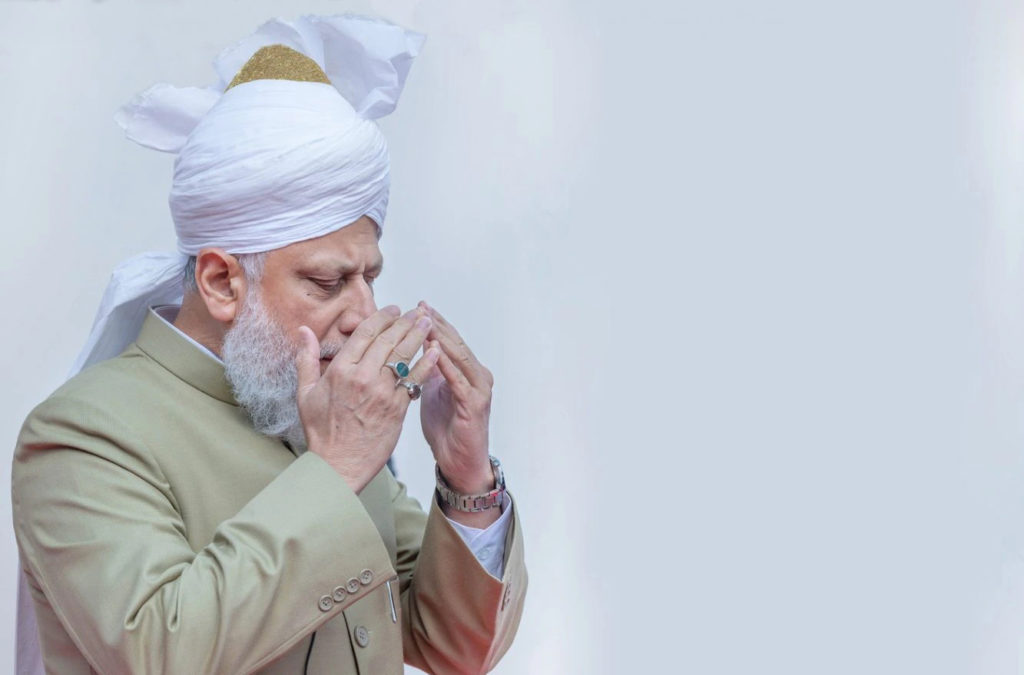
For a believer, Khilafat is a source of comfort and strength, offering peace through prayers, guidance, and the assurance of being remembered.
What began as a child’s attempt to offer salam became a lifelong reminder that divine love finds us long before we know we are lost.
When the world turned us away, the prayers of the Khalifa offered comfort, resilience, and the strength to persevere through every trial.
In a moment of uncertainty, the Khalifa’s prayers and trust offered a powerful lesson in freedom, faith, and the dignity of choice.
More precious than gold itself, the letters from the Khalifa carried prayers, comfort, and a spiritual connection that strengthened faith at every stage of life.
When Ibrahim(as) raised the knife, it was not the animal that was being tested. It was the man holding it. Eid al-Adha is a reminder that sacrifice is not meant to end with the ritual, but to begin with it.
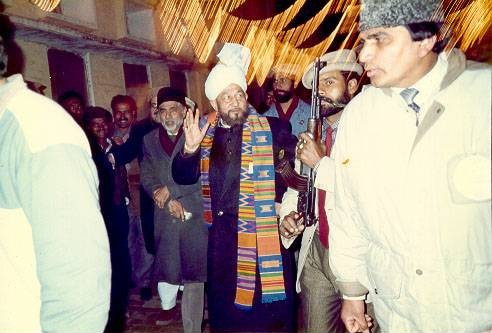
Travelling to meet the Khalifa was a journey of priceless value for our family, where worldly concerns became insignificant before the weight of spiritual blessing.
Today marks 80 years since the atomic bombings of Hiroshima and Nagasaki, and the world seems to be standing on the brink of another global conflict. Has time erased our memories?
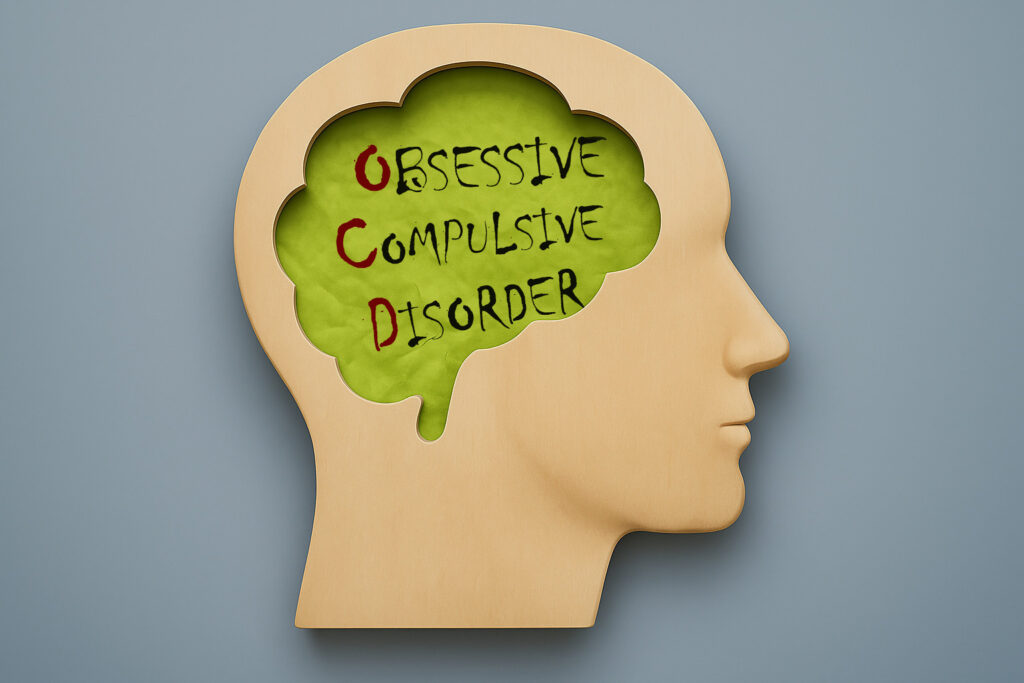
Obsessive-Compulsive Disorder (OCD) is a complex but treatable mental health condition marked by intrusive thoughts and repetitive behaviours. Early recognition and timely intervention are key to managing symptoms and improving quality of life.
Terrorism thrives where justice and public welfare are neglected. The Ahmadiyya Caliph urges leaders to serve the people and build economic stability to prevent extremist influence and preserve national peace.
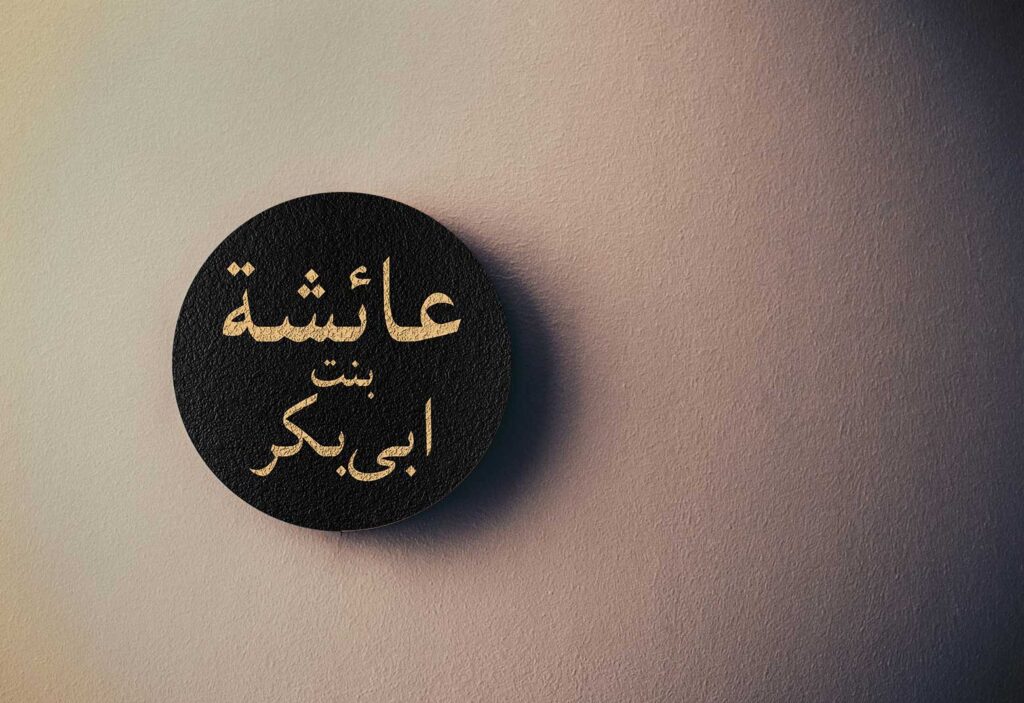
In an era where women’s voices were often silenced, Hazrat Aishara spoke with wisdom and authority, exemplifying the rights women held in Islam from its outset.
Rather than being a mythical figure of the future, the Prophetic warnings show that Dajjal is an ever-present system of deception disguised as modernity, progress, and freedom.
Surrogacy challenges the Islamic concept of motherhood and lineage. The Ahmadiyya Caliph outlines why the practice is unlawful in Islam and emphasises preserving the sanctity of the family structure.
Adamas introduced a system and laid the foundations of a kingdom that ushered in the era of social progress of man.
In a world shadowed by conflict, division, and uncertainty, the Ahmadiyya Muslim Community, under the leadership of its Khalifa, provides a clear and urgent roadmap to peace.
Amidst worsening global circumstances, the Ahmadiyya Khalifa urges prayers and calls upon Muslim nations to unite.
Do you struggle to stick to your resolutions? Often, it’s the small, consistent steps, not radical change, that lead to lasting transformation—a principle deeply embedded in Islam and reflected in its daily practices.