ARTICLES
If God is an epitome of love, why should we fear Him? The Ahmadiyya Khalifa explains the Islamic concept of righteousness, highlighting how true love inspires a fear of displeasing the beloved.
Islamic teachings provide essential principles for living in a society, addressing the political, social, economic, cultural, and religious aspects of human life.
Postpartum depression is a common yet often overlooked challenge that many new mothers face. Understanding its impact and finding effective coping strategies are essential for both maternal well-being and healthy parenting.
Ahmadiyya Khalifa explains the Islamic concept of religious evolution which occurred in parallel with the cognitive and social development of man.
While Akhtar blatantly characterises all religious people as mentally ill, his statements reveal that he is suffering from the very delusion he seeks to find in others.
Amidst the polarised debates that either advocate for or entirely reject abortion, Islam offers a balanced and logical perspective, respecting the rights of women and the sanctity of potential life.
The Ahmadiyya Khalifa explains how important it is for parents, in today’s digital age, to monitor the programmes their children watch and ensure they do not have excessive screen time.
Contrary to the common belief that Adam(as) was forbidden to approach a physical tree, a study of the Quranic verses reveals that the command addressed a concept of much greater significance.
Atheists have long argued that the onus does not lie with them to disprove God’s existence. Here we examine if they are truly exempt from the rational burden of substantiating their beliefs.
Following his dream to become a researcher, the author is faced with challenges, but is ultimately granted fulfilment and conviction about God’s existence.
As Britain prepares to host its largest Muslim convention, the transformation of this humble gathering from its modest origins to a global event stands as a Divine sign. Yet another aspect of its history offers an even more emphatic testimony to the existence of God.
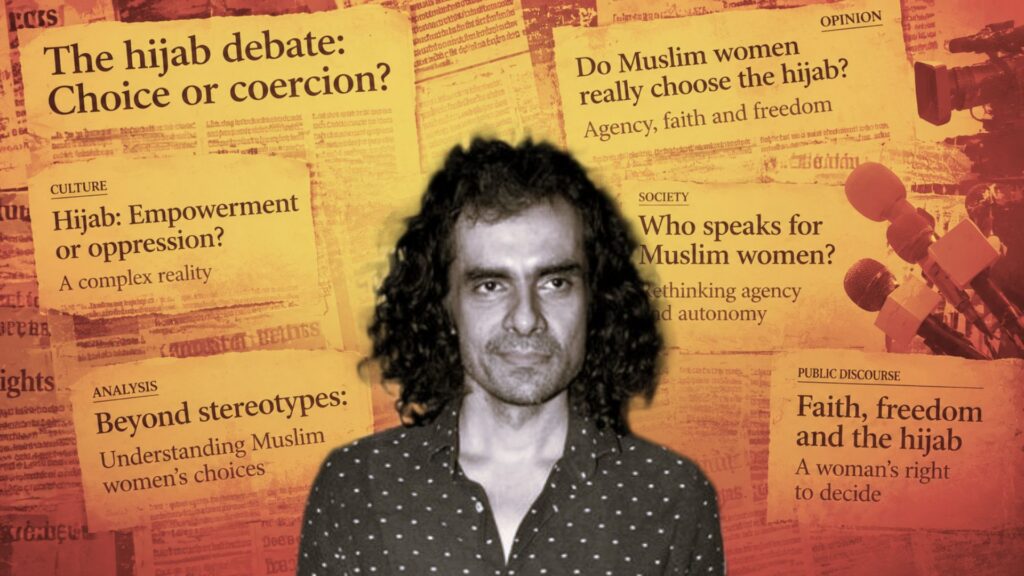
Can a woman truly be said to have freedom if her choices are only respected when they conform to someone else’s idea of liberation? The debate over the burqa reveals less about Muslim women and more about who is allowed the dignity of agency.
In the early 7th century, when academic traditions had largely faded across much of the known world, the seeds of a new intellectual revolution were sown in Arabia. What followed was a Golden Age that laid the foundations for modern science and civilisation.
What began in childhood grew into a lifelong relationship with Khilafat—one shaped by prayers, guidance, and memories treasured across generations.
In moments when words feel inadequate and answers seem distant, Khilafat offers something deeper: the reassurance of being heard, remembered, and held in prayer.
During a period of spiritual distance, a simple gift from the Khalifa became a symbol of purpose, trust, and a lifelong commitment to serving faith through words.
For a believer, Khilafat is a source of comfort and strength, offering peace through prayers, guidance, and the assurance of being remembered.
What began as a child’s attempt to offer salam became a lifelong reminder that divine love finds us long before we know we are lost.
When the world turned us away, the prayers of the Khalifa offered comfort, resilience, and the strength to persevere through every trial.
In a moment of uncertainty, the Khalifa’s prayers and trust offered a powerful lesson in freedom, faith, and the dignity of choice.