
In the early 7th century, when academic traditions had largely faded across much of the known world, the seeds of a new intellectual revolution were sown in Arabia. What followed was a Golden Age that laid the foundations for modern science and civilisation.
What began in childhood grew into a lifelong relationship with Khilafat—one shaped by prayers, guidance, and memories treasured across generations.
In moments when words feel inadequate and answers seem distant, Khilafat offers something deeper: the reassurance of being heard, remembered, and held in prayer.
During a period of spiritual distance, a simple gift from the Khalifa became a symbol of purpose, trust, and a lifelong commitment to serving faith through words.
For a believer, Khilafat is a source of comfort and strength, offering peace through prayers, guidance, and the assurance of being remembered.
What began as a child’s attempt to offer salam became a lifelong reminder that divine love finds us long before we know we are lost.
When the world turned us away, the prayers of the Khalifa offered comfort, resilience, and the strength to persevere through every trial.
In a moment of uncertainty, the Khalifa’s prayers and trust offered a powerful lesson in freedom, faith, and the dignity of choice.
More precious than gold itself, the letters from the Khalifa carried prayers, comfort, and a spiritual connection that strengthened faith at every stage of life.
When Ibrahim(as) raised the knife, it was not the animal that was being tested. It was the man holding it. Eid al-Adha is a reminder that sacrifice is not meant to end with the ritual, but to begin with it.
Muslims should not respond to such horrific and provocative acts through violence. Instead, they should educate people about the Quran’s true teachings so that anti-Muslim extremists could not seek to defame Islam by taking individual Quranic verses completely out of context to further their hateful objectives.
The conscience of each man, if not rendered inactive, will always remind him that there ought to be a God, Who is the Creator of this universe.
Islam created a social structure, which closed the doors of enslavement and opened up many ways through which slaves could be freed and justly integrated into society.
It is normal to have an occasional sleepless night. But, if it has become a routine to spend nights tossing and turning, then you should consider re-evaluating your sleep habits.
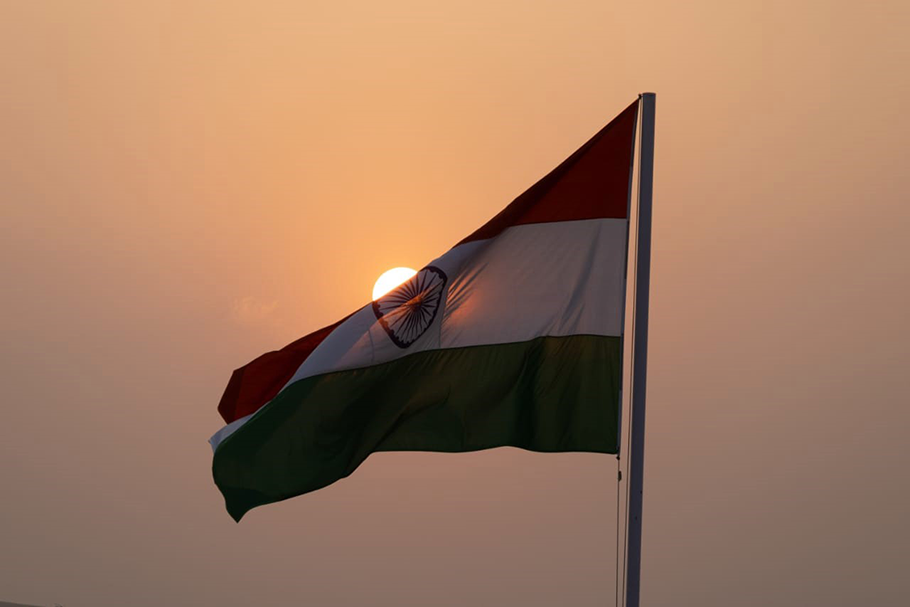
It is very easy to simply speak of, or hear the words, ‘loyalty and love for one’s nation.’ However, in reality, these few words encompass meanings that are wide-ranging, beautiful and of tremendous depth.
Although a violation of basic morals, Islam prescribes no punishment for blasphemy. On the contrary, Muslims are enjoined to respond to abuses with prayers and cruelty with kindness.
It has become commonplace to insult and disrespect the religious figures of different faiths. Despite repeated instances of such actions disrupting peace in society, they are often justified in the name of freedom of speech.
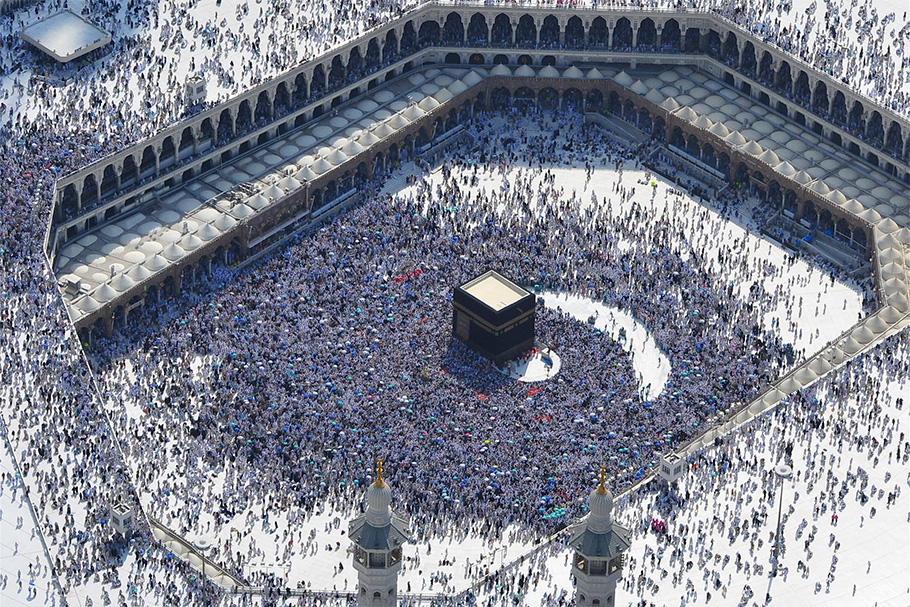
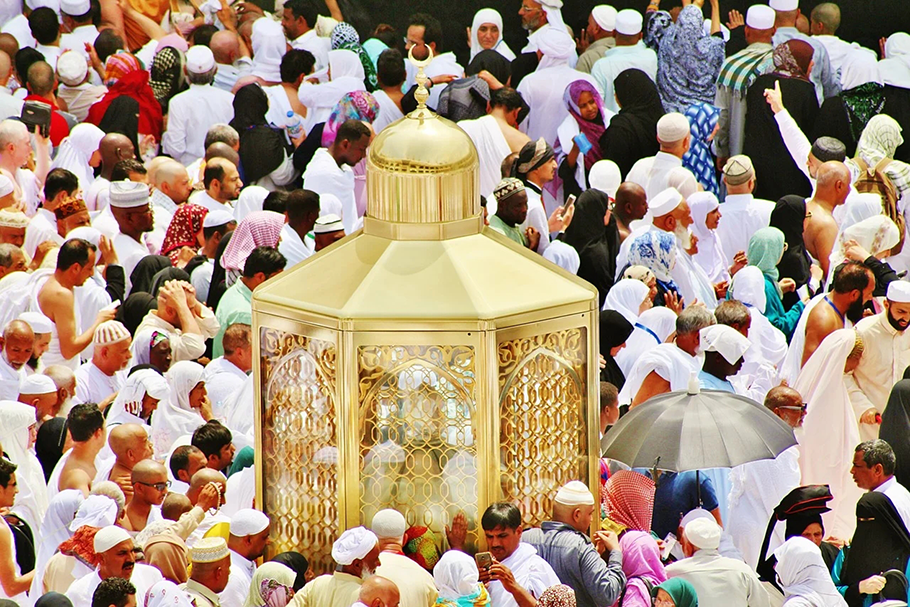
Hajj holds within it three main objectives; reforming one’s ego, establishing a strong bond with God and creating a healthier relationship with mankind.
How can a Merciful God demand the slaughter of a child? How can a pious father kill his son? How come this is not a sanguinary tradition? There are many myths related to Eid al-Adha, all but emanating from ignorance about Islamic ideologies.
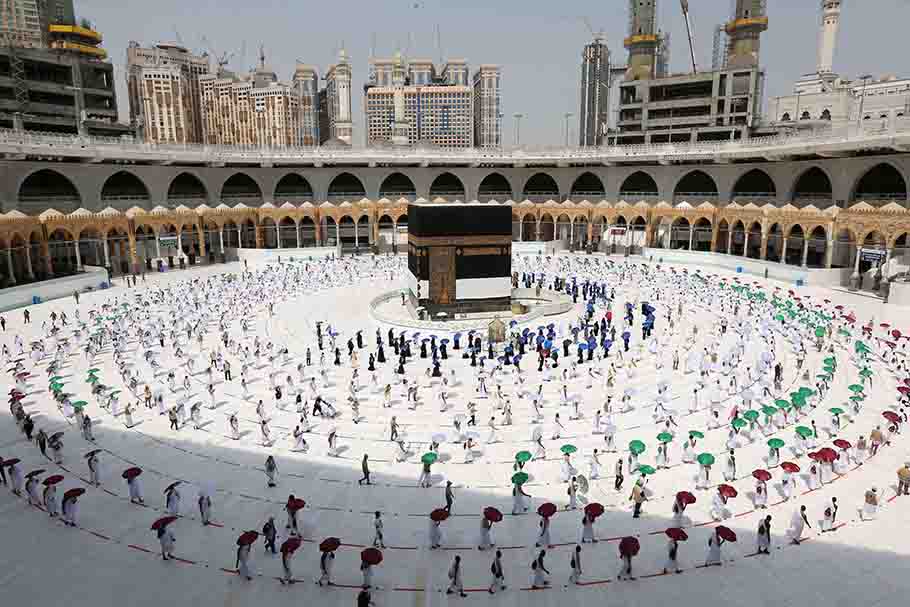
As homes became mosques, the pandemic has proved how Islamic teachings are applicable in changing circumstances. The downscaling of this year's Hajj pilgrimage further establishes this truth.