
ARTICLES

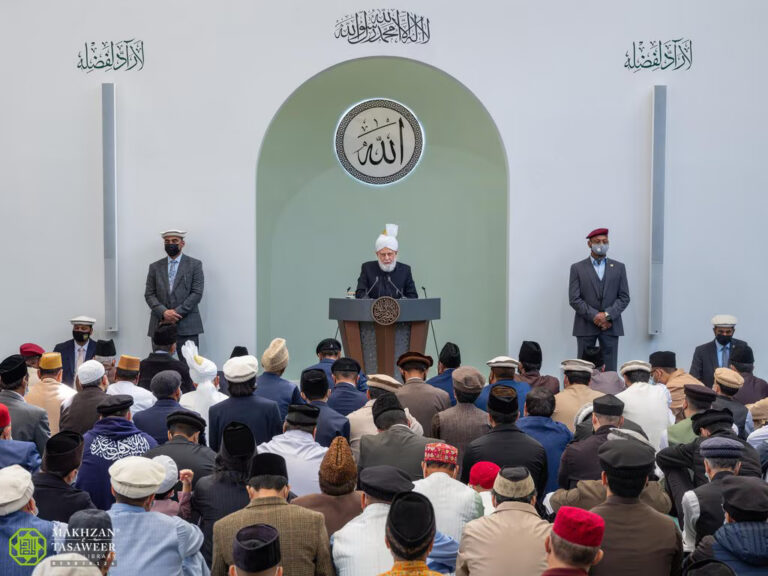
What began in childhood grew into a lifelong relationship with Khilafat—one shaped by prayers, guidance, and memories treasured across generations.
In moments when words feel inadequate and answers seem distant, Khilafat offers something deeper: the reassurance of being heard, remembered, and held in prayer.
During a period of spiritual distance, a simple gift from the Khalifa became a symbol of purpose, trust, and a lifelong commitment to serving faith through words.
For a believer, Khilafat is a source of comfort and strength, offering peace through prayers, guidance, and the assurance of being remembered.
What began as a child’s attempt to offer salam became a lifelong reminder that divine love finds us long before we know we are lost.
When the world turned us away, the prayers of the Khalifa offered comfort, resilience, and the strength to persevere through every trial.
In a moment of uncertainty, the Khalifa’s prayers and trust offered a powerful lesson in freedom, faith, and the dignity of choice.
More precious than gold itself, the letters from the Khalifa carried prayers, comfort, and a spiritual connection that strengthened faith at every stage of life.
When Ibrahim(as) raised the knife, it was not the animal that was being tested. It was the man holding it. Eid al-Adha is a reminder that sacrifice is not meant to end with the ritual, but to begin with it.
Travelling to meet the Khalifa was a journey of priceless value for our family, where worldly concerns became insignificant before the weight of spiritual blessing.
The Ahmadiyya Khalifa explains how justice is an essential prerequisite for Shariah law, and how imposing it forcefully goes against the principles of Islam.
Ahmadiyya Khalifa addresses the annual convention of the Community in India and outlines the love the Promised Messiah(as) had for Prophet Muhammad(sa).
It is generally understood that Iblis and Satan are identical. However, the Holy Quran maintains a distinction between these terms, revealing that they are not one and the same.
Ahmadiyya Khalifa explains how to make rational use of Artificial Intelligence, and if it is appropriate to entirely rely upon it.
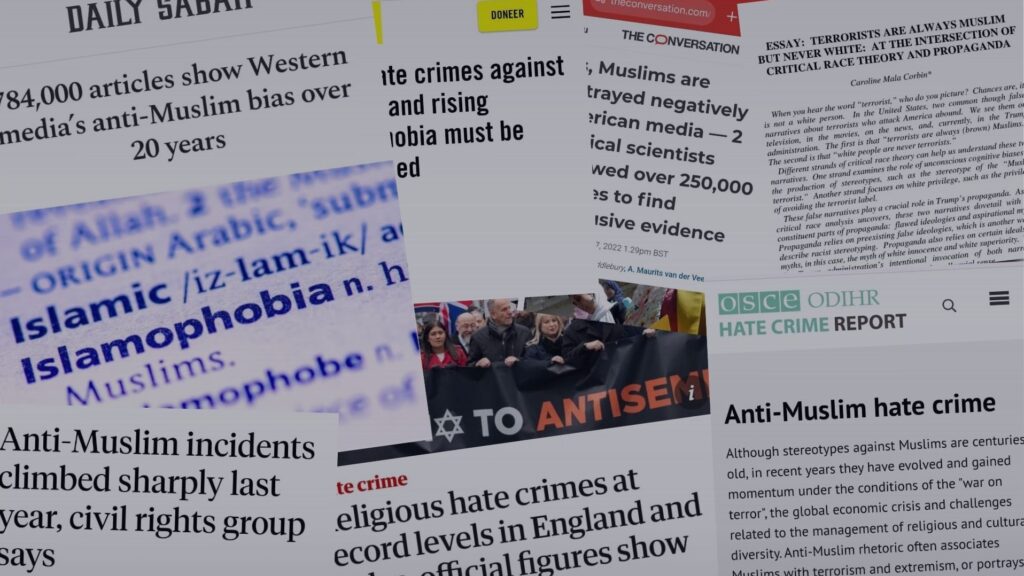
Singling out religion—or worse—one particular religion as the sole driver of terrorism is only the result of prejudicial exaggeration of data and unfair distortion of facts.
The Ahmadiyya Khalifa urges Ahmadi Muslims to engage in prayers and preparedness amid escalating global tensions.
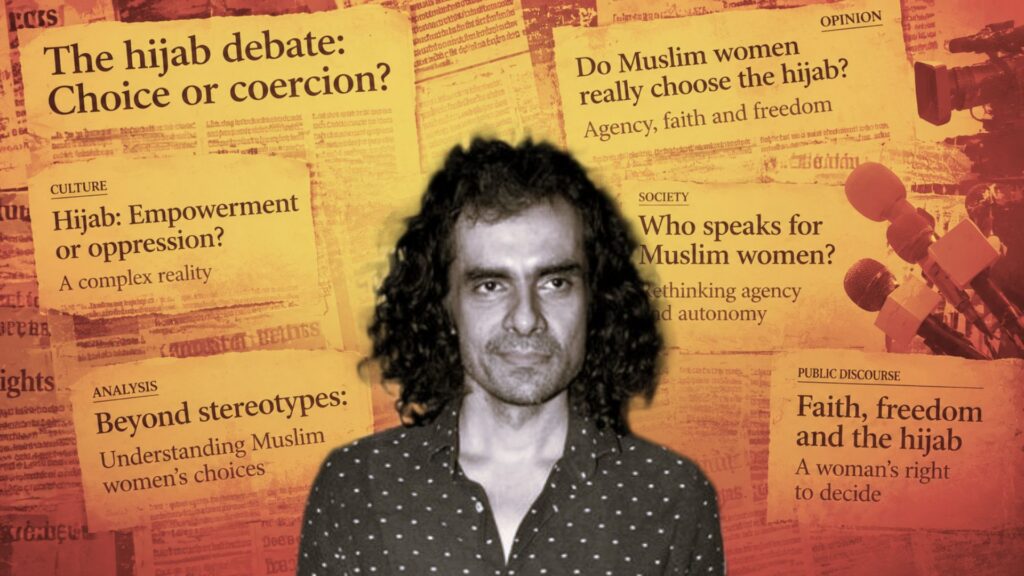
Opinions often surface branding the hijab as a symbol of oppression. Here, we respond to a recent Newslaundry article, challenging the narrative that Muslim women require ‘liberation’ from their choice to wear the veil.
If God is an epitome of love, why should we fear Him? The Ahmadiyya Khalifa explains the Islamic concept of righteousness, highlighting how true love inspires a fear of displeasing the beloved.
Islamic teachings provide essential principles for living in a society, addressing the political, social, economic, cultural, and religious aspects of human life.
Postpartum depression is a common yet often overlooked challenge that many new mothers face. Understanding its impact and finding effective coping strategies are essential for both maternal well-being and healthy parenting.