ARTICLES

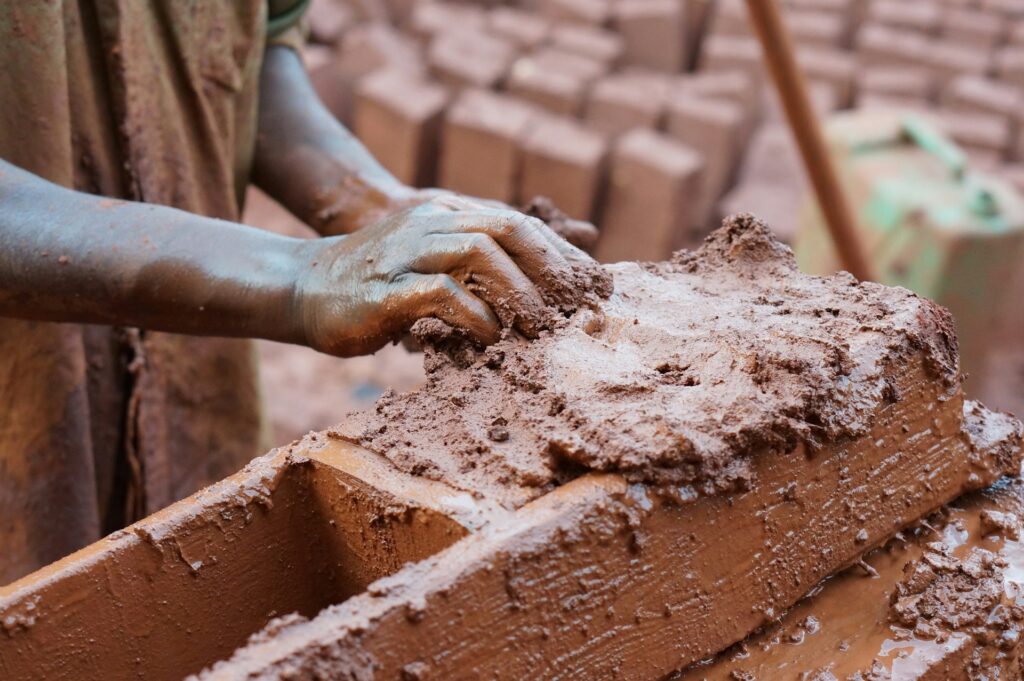
Wage theft is a major social problem that the world has been facing for a long time. It can be described as a devastating international endemic.
Heaven and hell are not material worlds that come from outside but are physical manifestations of man’s spiritual conditions in this world. They arise as the consequences of human actions in this life.
Among the noble names mentioned during this year's Jalsa Salana Qadian was Hazrat Sayyeda Amatul Quddus Begum Sahiba, lovingly referred to as Aapa Jaan. Here we share heartfelt reflections from Lajna members on her remarkable character.
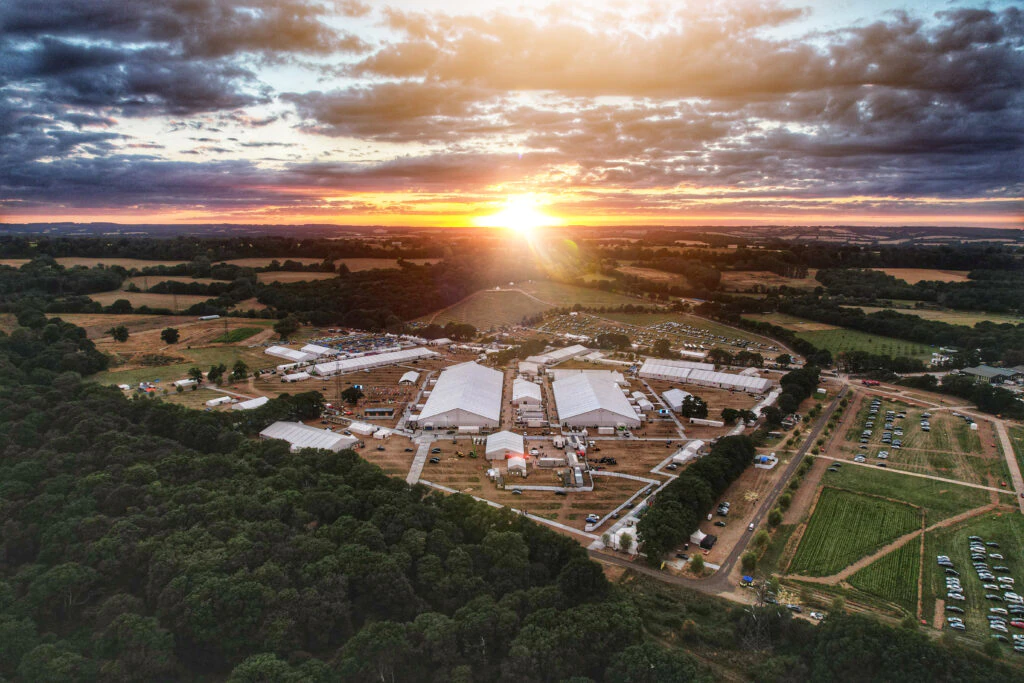
While the transformation of Jalsa Salana from a humble gathering to a global event itself serves as a Divine sign, yet another aspect of its history offers an even more emphatic testimony to the existence of God.
While wars unfold with tragic consequences, extending beyond physical devastation and loss of lives, their enduring impact resonates deeply, leaving a lasting imprint on individuals for years to come.
Reflecting on the journey of Lajna Imaillah, the Ahmadi Muslim women’s auxiliary, members from across the country share their stories of empowerment and progress.
Commemorating the centenary of Lajna Imaillah, the Ahmadi Muslim women’s auxiliary, members from across the country share their stories of empowerment, progress and much more.
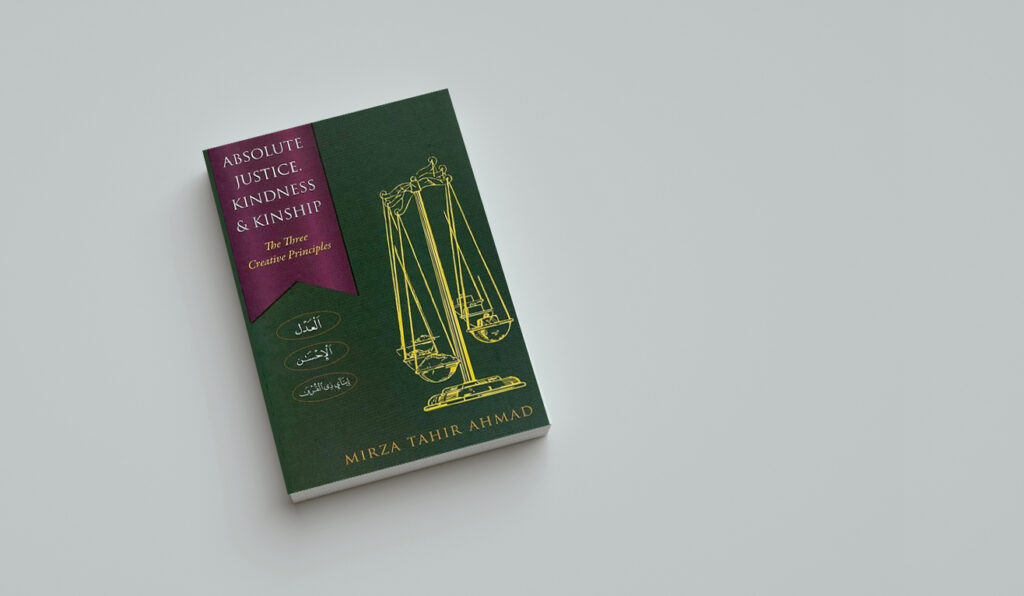
In a world where noble cause corruption is the norm, where the end justifies the means, the Islamic philosophy of justice stands out as a steadfast guardian of human rights.
The Ahmadiyya response to blasphemy has always been peaceful, seeking to defend the honour of the Holy Prophet(sa), employing no means that constitute or endorse violent retribution.
May Allah the Almighty enable the major powers to establish justice on both sides and thereby establish peace. It should not be that they lean towards one side and thus usurp the rights of the other side.
As Britain prepares to host its largest Muslim convention, the transformation of this humble gathering from its modest origins to a global event stands as a Divine sign. Yet another aspect of its history offers an even more emphatic testimony to the existence of God.
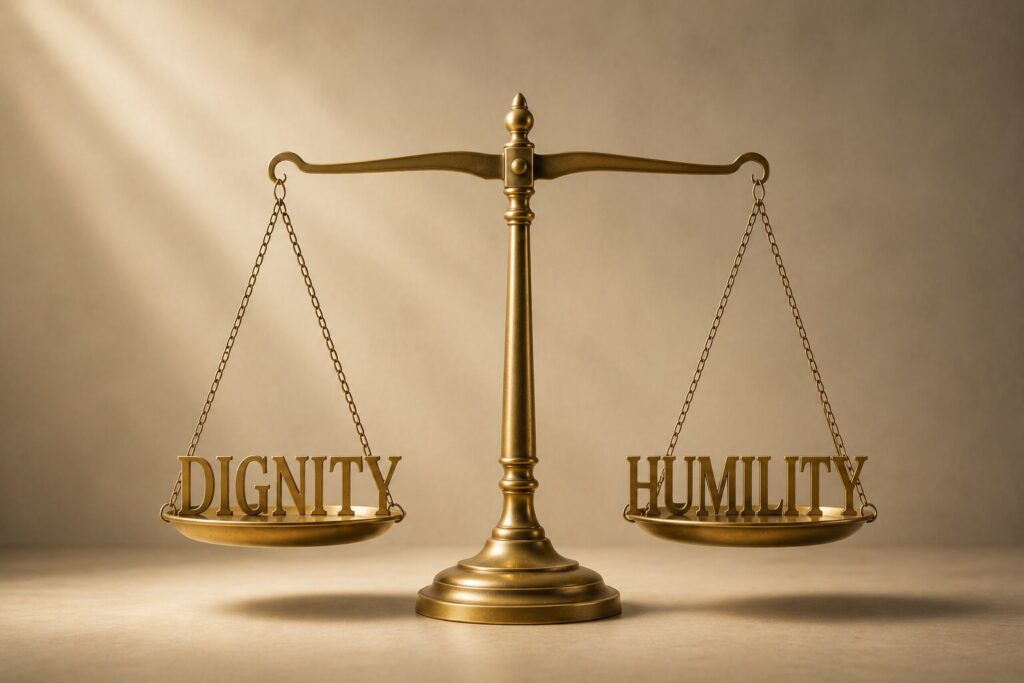
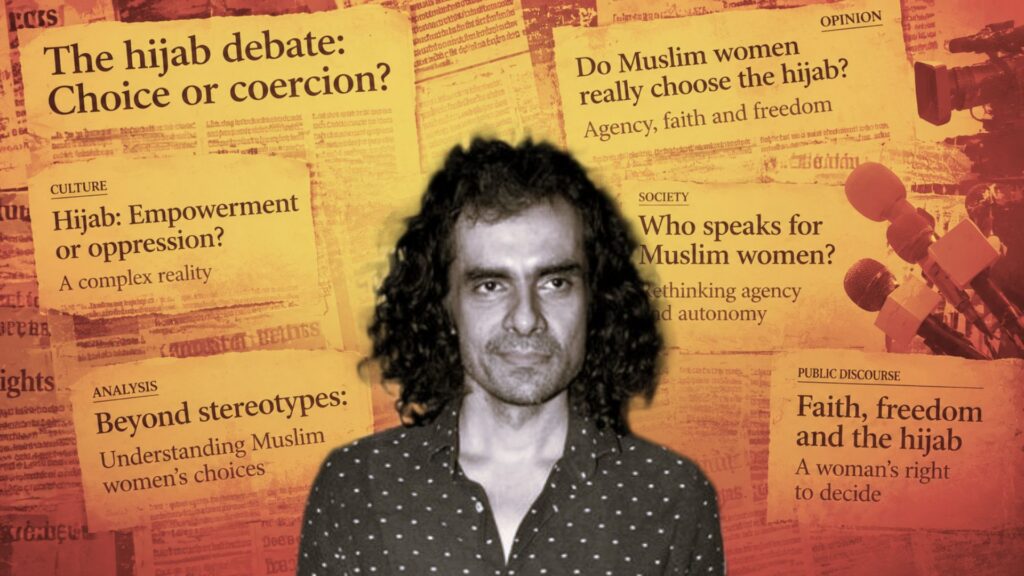
Can a woman truly be said to have freedom if her choices are only respected when they conform to someone else’s idea of liberation? The debate over the burqa reveals less about Muslim women and more about who is allowed the dignity of agency.
In the early 7th century, when academic traditions had largely faded across much of the known world, the seeds of a new intellectual revolution were sown in Arabia. What followed was a Golden Age that laid the foundations for modern science and civilisation.
What began in childhood grew into a lifelong relationship with Khilafat—one shaped by prayers, guidance, and memories treasured across generations.
In moments when words feel inadequate and answers seem distant, Khilafat offers something deeper: the reassurance of being heard, remembered, and held in prayer.
During a period of spiritual distance, a simple gift from the Khalifa became a symbol of purpose, trust, and a lifelong commitment to serving faith through words.
For a believer, Khilafat is a source of comfort and strength, offering peace through prayers, guidance, and the assurance of being remembered.
What began as a child’s attempt to offer salam became a lifelong reminder that divine love finds us long before we know we are lost.
When the world turned us away, the prayers of the Khalifa offered comfort, resilience, and the strength to persevere through every trial.
In a moment of uncertainty, the Khalifa’s prayers and trust offered a powerful lesson in freedom, faith, and the dignity of choice.