“Our success is not possible without our parents’ happiness” –Regragui’s words sound all the more relevant in today’s age, where filial responsibility is losing significance.
The Holy Quran is a timeless book, no portion of which is subject to abrogation. It is a scripture designed to be relevant in all times and for all cultures.
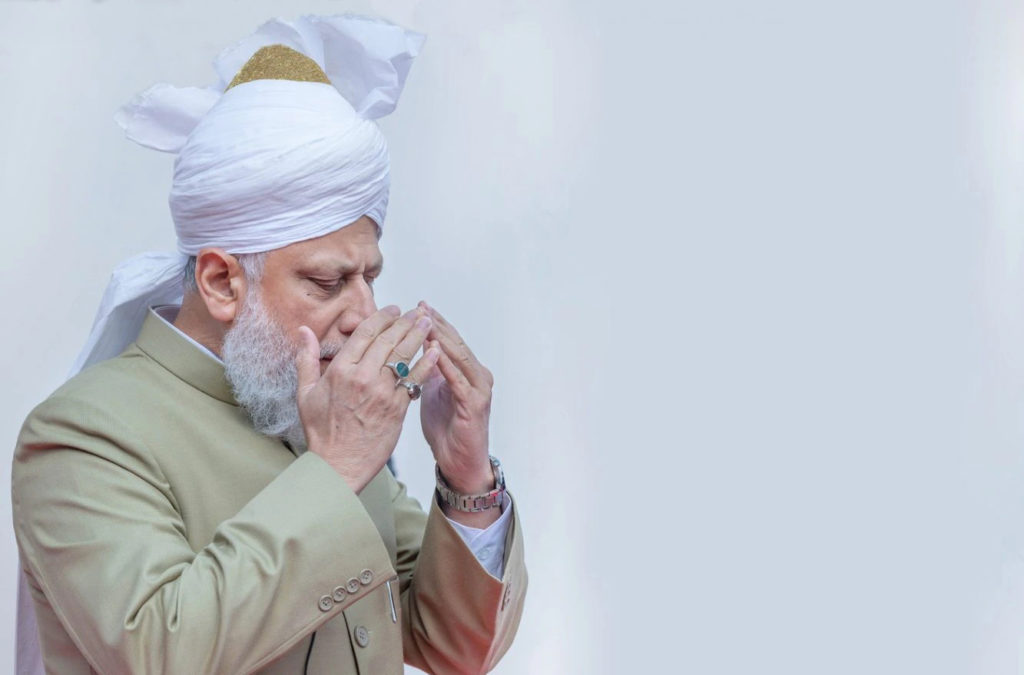
For almost two decades, the Ahmadiyya Caliph has been warning the world of an impending global catastrophe. Now it seems that doom is looming ahead.
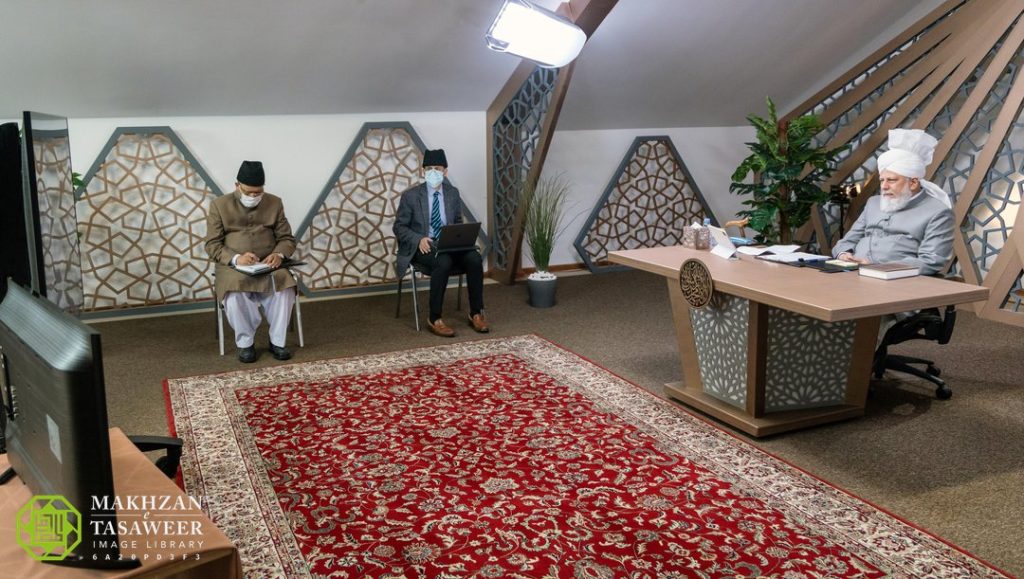
World Head of the Ahmadiyya Muslim Community gives insight on how we should respond to the current situation of Muslims in India and explains the role Ahmadis are playing to improve the situation.
Period stigma has important consequences for the health and well-being of women. This calls for efforts on removing the taboos around the topic.
For the second time, astronomers have obtained the image of a black hole; this time, the one at the centre of our own galaxy. Notwithstanding claims to the contrary, this shows that not everything is perceived through vision.
Godly people i.e. those who develop a relationship of love with God experience no urge to pursue earthly desires or worldly pleasures. Instead, God remains the sole purpose of their lives.
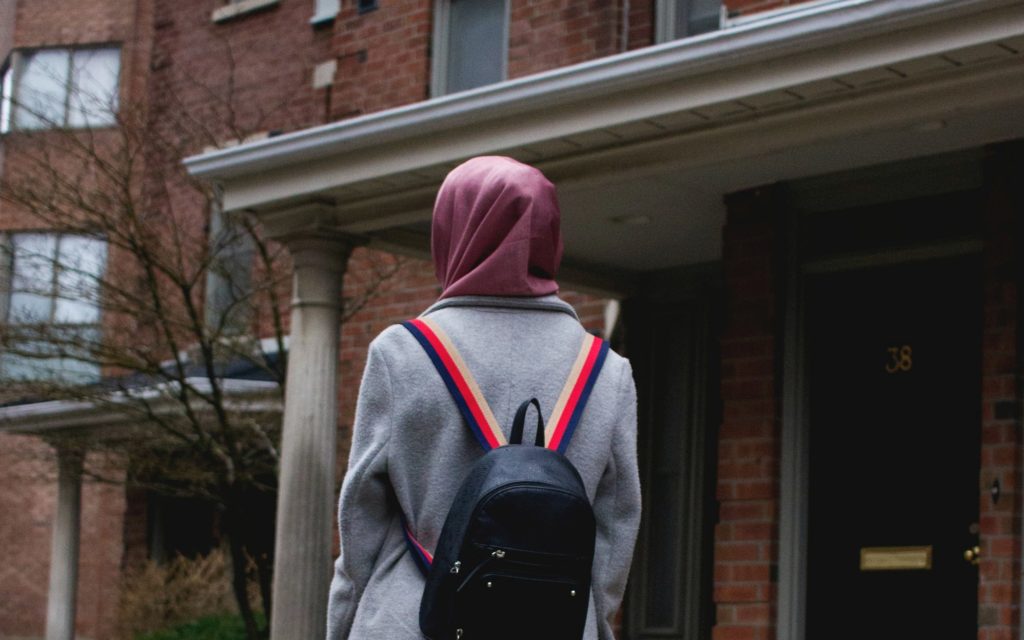
The injunction of Hijab is not just recommendatory. Nor is the concept of Purdah an innovative practice. Those who observe Hijab abide by the fundamental commandment of the Holy Quran.
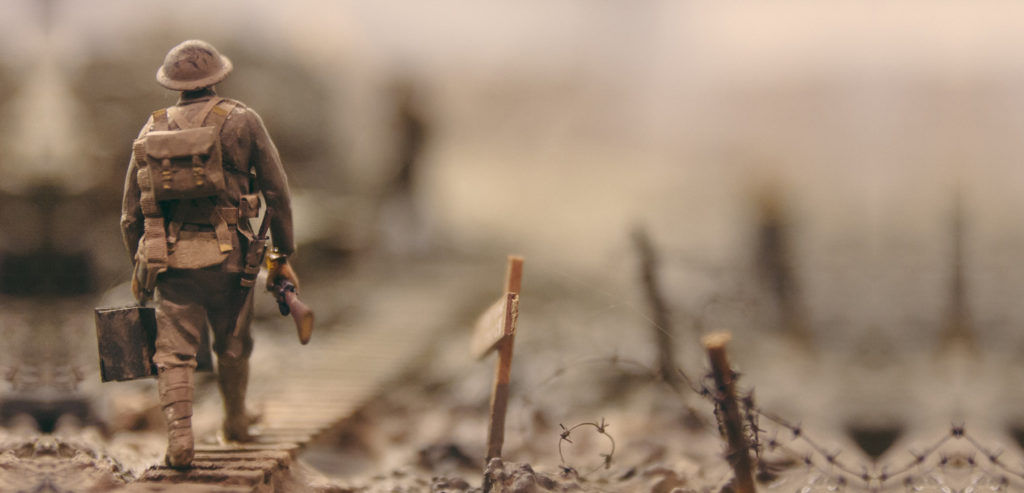
For two decades, the Worldwide Head of the Ahmadiyya Muslim Community has been warning the world of an impending Third World War. Unfortunately, no heed was paid to his words.
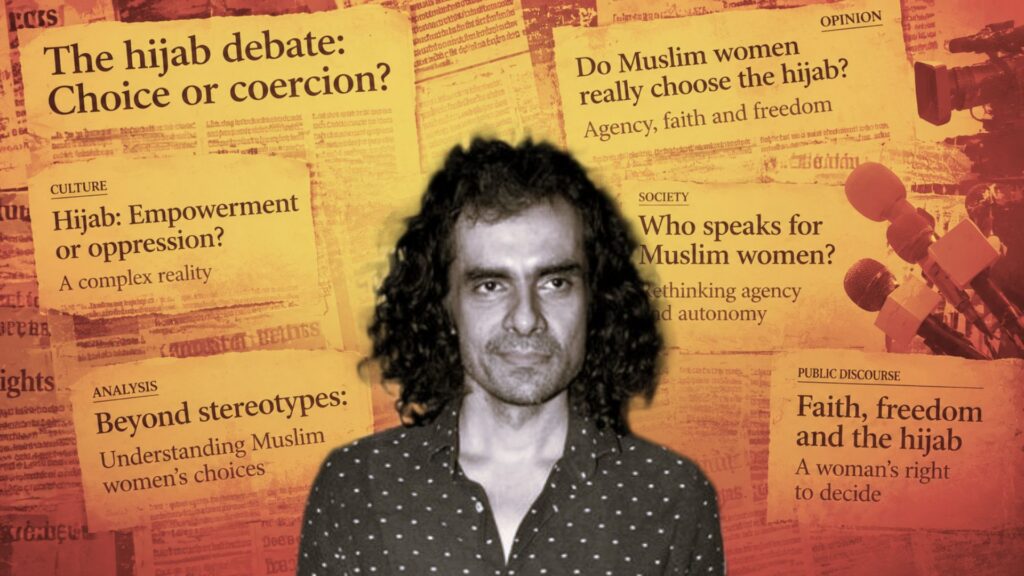
Forcing women to remove Hijab is as wrong as coercing them to wear it. Both actions amount to oppression and deny women their basic rights.
Our immune system works constantly to protect us, and our everyday choices can influence how well it functions. Discover simple ways to support immunity through balanced nutrition and healthy lifestyle habits.
With Islam dawned a new era of learning that transformed the pursuit of knowledge from the privilege of a few into the prerogative of all. Specifically, Islam fulfilled three prerequisites that earlier civilisations had lacked, allowing knowledge to truly globalise.
From memories to milestones, more of life is becoming public content. In a world obsessed with visibility, have we forgotten the art of living for ourselves?
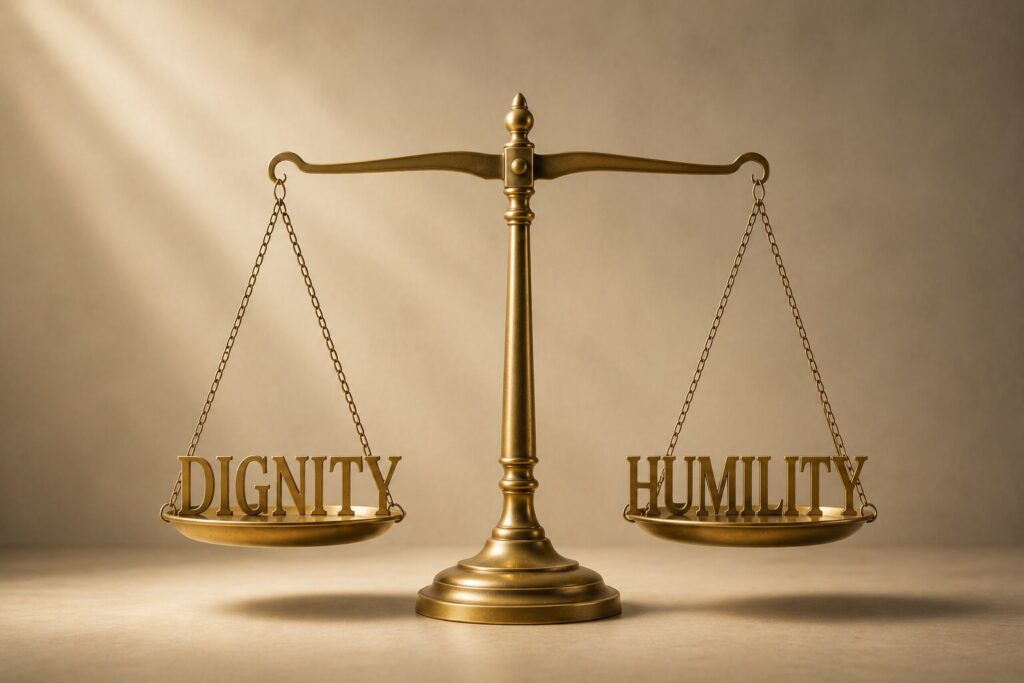
In distinguishing between pride and dignity, how can one remain humble while maintaining one’s sense of self-worth and treating others with kindness and respect?
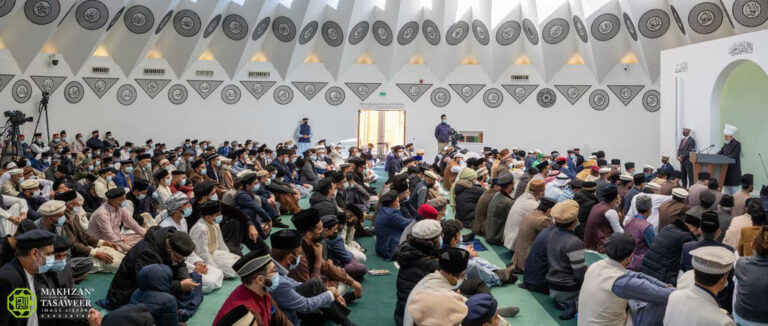
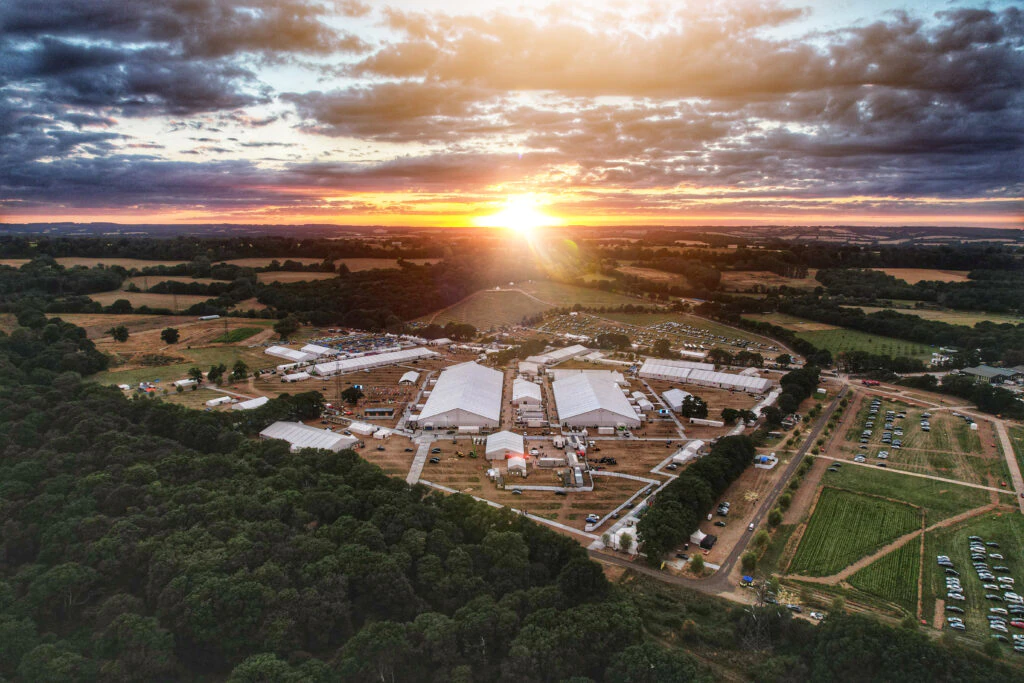
As Britain prepares to host its largest Muslim convention, the transformation of this humble gathering from its modest origins to a global event stands as a Divine sign. Yet another aspect of its history offers an even more emphatic testimony to the existence of God.
Can a woman truly be said to have freedom if her choices are only respected when they conform to someone else’s idea of liberation? The debate over the burqa reveals less about Muslim women and more about who is allowed the dignity of agency.
In the early 7th century, when academic traditions had largely faded across much of the known world, the seeds of a new intellectual revolution were sown in Arabia. What followed was a Golden Age that laid the foundations for modern science and civilisation.
What began in childhood grew into a lifelong relationship with Khilafat—one shaped by prayers, guidance, and memories treasured across generations.
In moments when words feel inadequate and answers seem distant, Khilafat offers something deeper: the reassurance of being heard, remembered, and held in prayer.
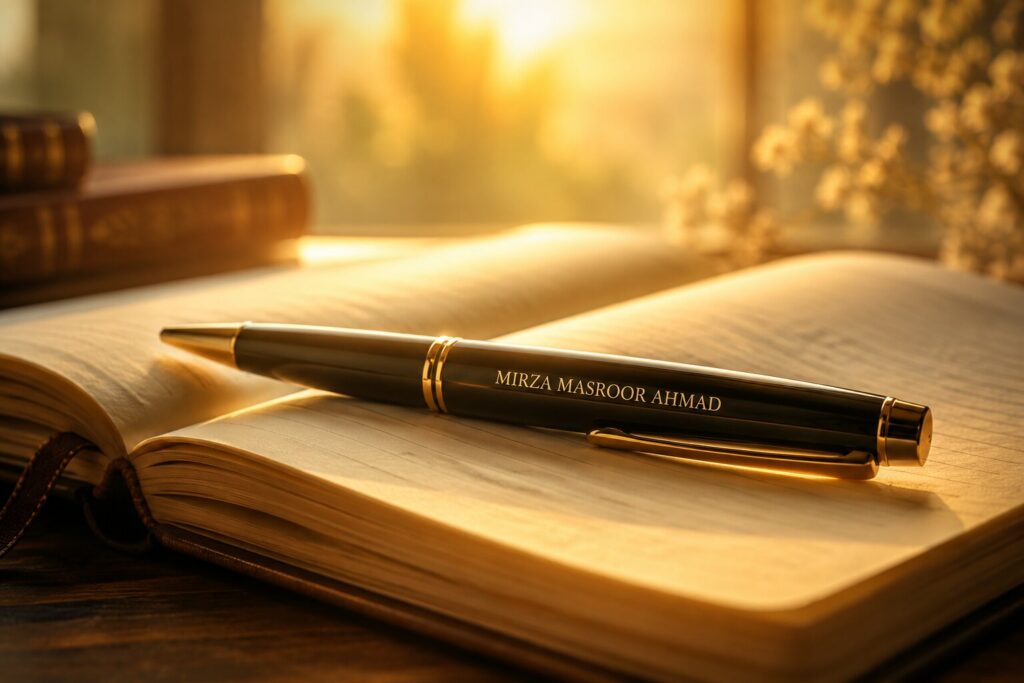
During a period of spiritual distance, a simple gift from the Khalifa became a symbol of purpose, trust, and a lifelong commitment to serving faith through words.