ARTICLES

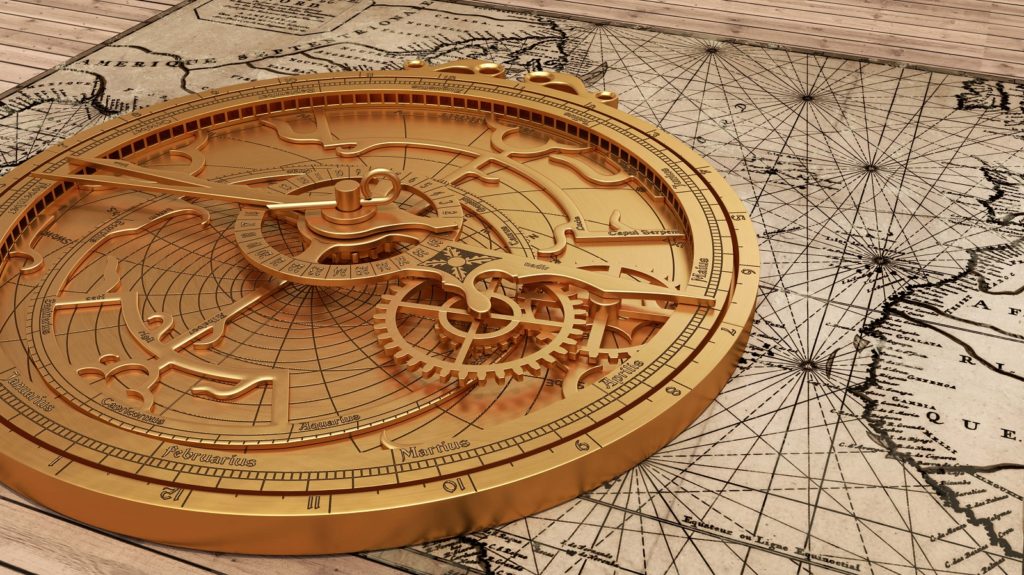
In around 770 AD, an embassy from India, including an astronomer, visited the then Abbasid Caliph Al-Mansur in Baghdad. The meeting was to open up an avenue for a fruitful interaction between India and the Arab world.
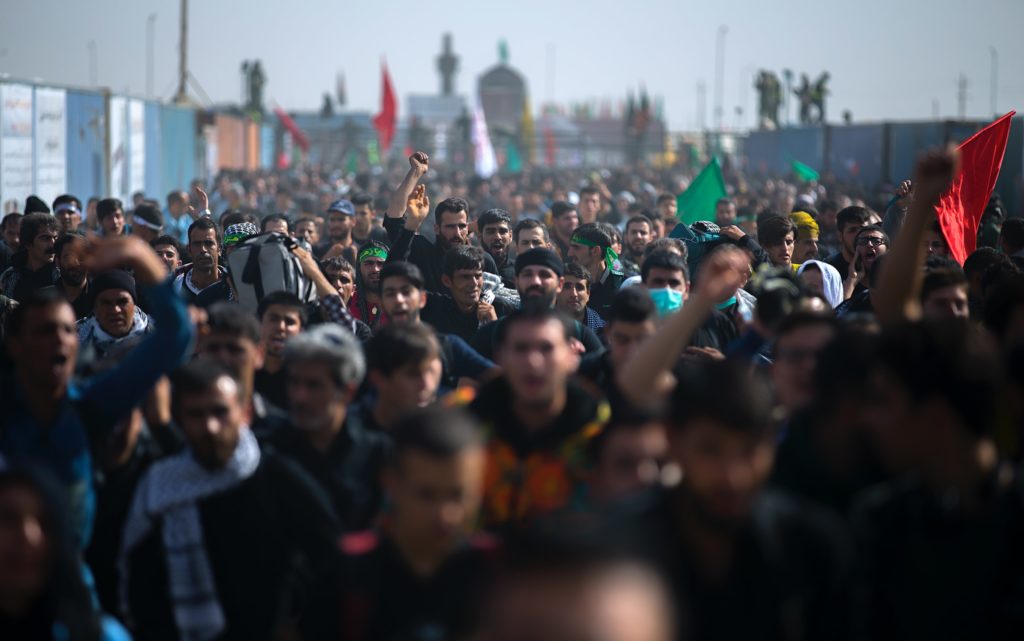
Remembering Karbala holds special significance for Muslims. But, is recreating the physical torture Imam Hussain (ra) and his followers went through the true way of commemoration?
A drive through rush hour traffic, a bad day at the office or reading irate tweets on social media can all induce our anger. As the incontinent expression of rage can have damaging outcomes, we ought to control our anger in such situations.
Conflict being an inevitable characteristic of human society, a course to peace can only be charted when man imbibes the noblest of moral virtues.
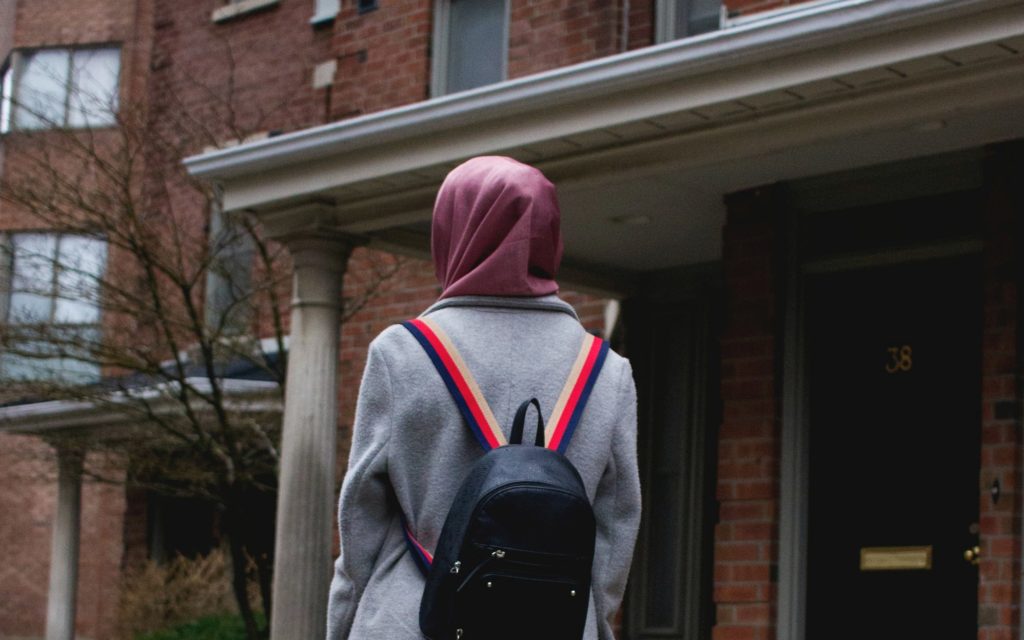
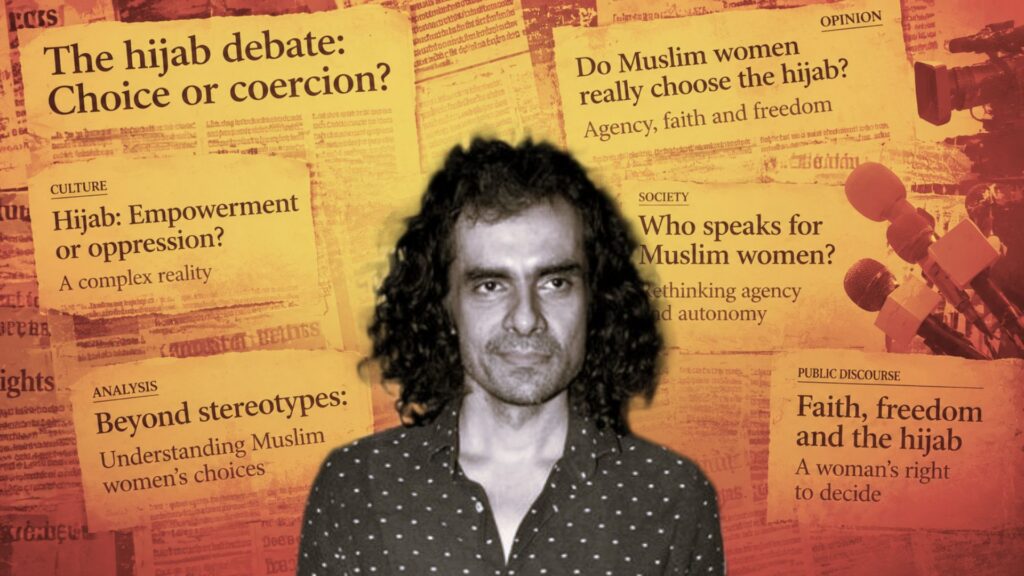
There is a growing trend of portraying Muslim women practising hijab as ‘oppressed’ while their voices that claim otherwise are purposefully undermined.
No matter how challenging the circumstances and how severe the hardships are, those who are determined to strive for the cause of God never retreat.
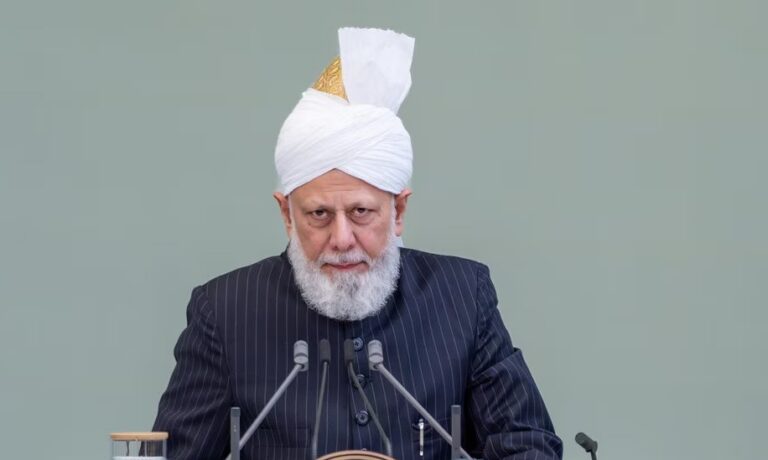
Ahmadiyya Caliph explains how water stress is driving terrorism and draws the attention of world leaders towards curbing the issue.
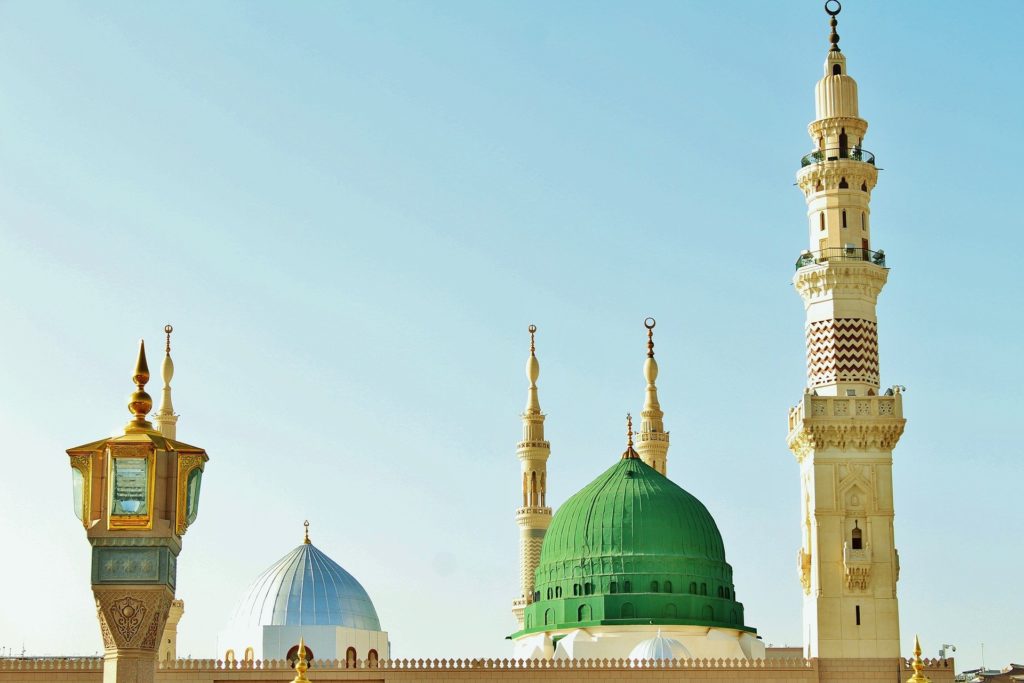
An account of the noble character of the Holy Prophet(sa) of Islam through opinions and views of revered personalities of India.
The Holy Prophet (sa) said, “If people knew about the excellences of Ramadan, then my Ummah would have wished the entire year to be Ramadan”.
The 132 years long history of the Ahmadiyya Muslim Community testifies to the fact that this community has been working to establish peace and unanimity between people of all faiths.
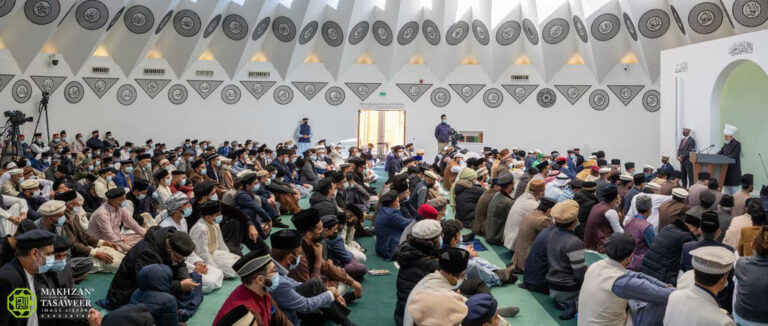
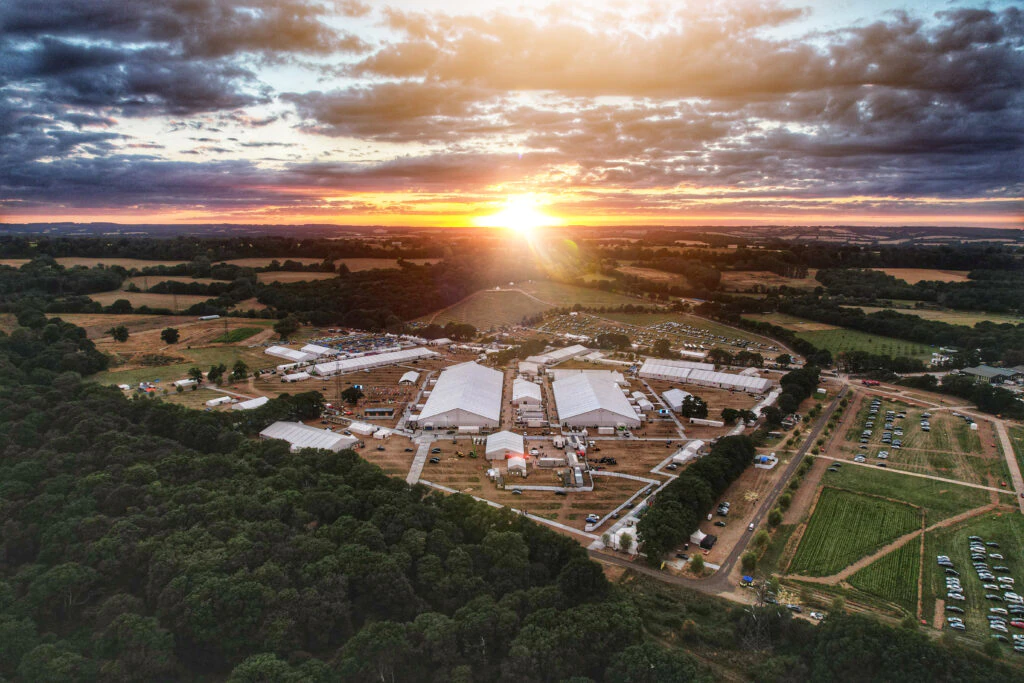
As Britain prepares to host the largest Muslim convention in Europe, the transformation of this humble gathering from its modest origins to a global event stands as a Divine sign. Yet another aspect of its history offers an even more emphatic testimony to the existence of God.
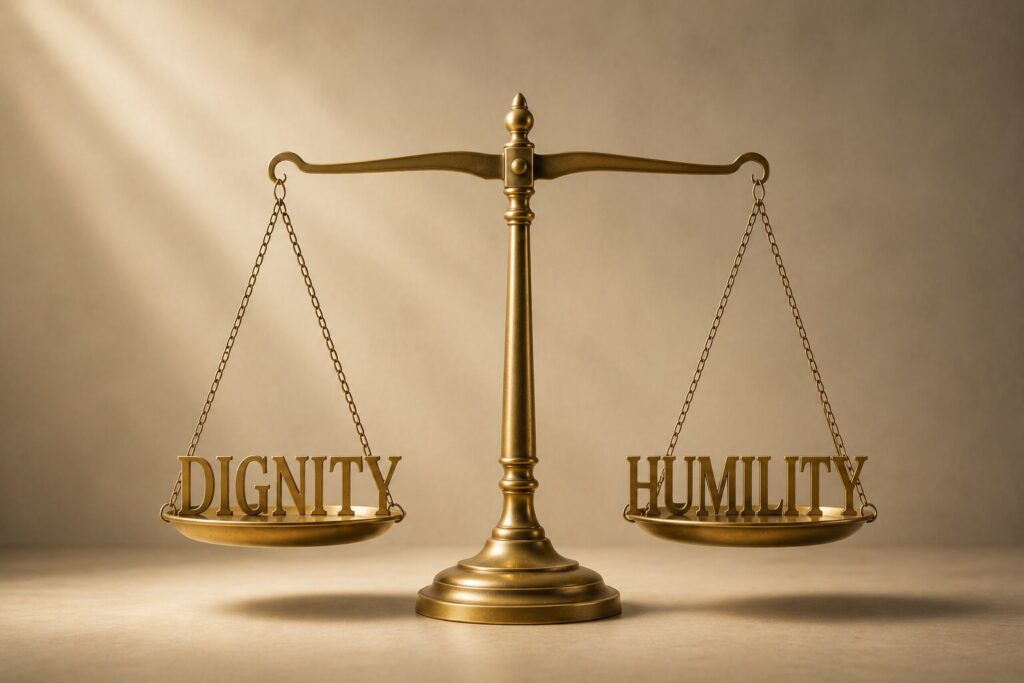
Can a woman truly be said to have freedom if her choices are only respected when they conform to someone else’s idea of liberation? The debate over the burqa reveals less about Muslim women and more about who is allowed the dignity of agency.
In the early 7th century, when academic traditions had largely faded across much of the known world, the seeds of a new intellectual revolution were sown in Arabia. What followed was a Golden Age that laid the foundations for modern science and civilisation.
What began in childhood grew into a lifelong relationship with Khilafat—one shaped by prayers, guidance, and memories treasured across generations.
In moments when words feel inadequate and answers seem distant, Khilafat offers something deeper: the reassurance of being heard, remembered, and held in prayer.
During a period of spiritual distance, a simple gift from the Khalifa became a symbol of purpose, trust, and a lifelong commitment to serving faith through words.
For a believer, Khilafat is a source of comfort and strength, offering peace through prayers, guidance, and the assurance of being remembered.
What began as a child’s attempt to offer salam became a lifelong reminder that divine love finds us long before we know we are lost.
When the world turned us away, the prayers of the Khalifa offered comfort, resilience, and the strength to persevere through every trial.
In a moment of uncertainty, the Khalifa’s prayers and trust offered a powerful lesson in freedom, faith, and the dignity of choice.