ARTICLES

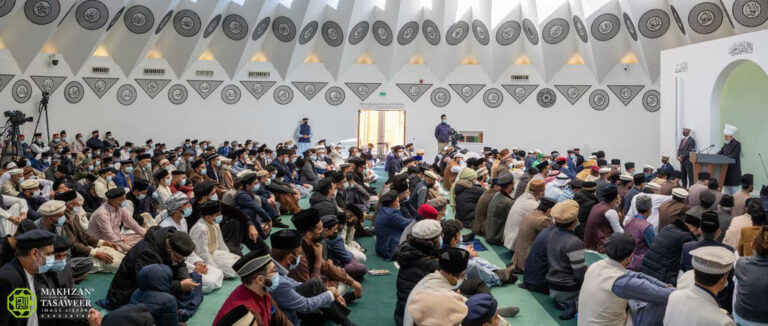
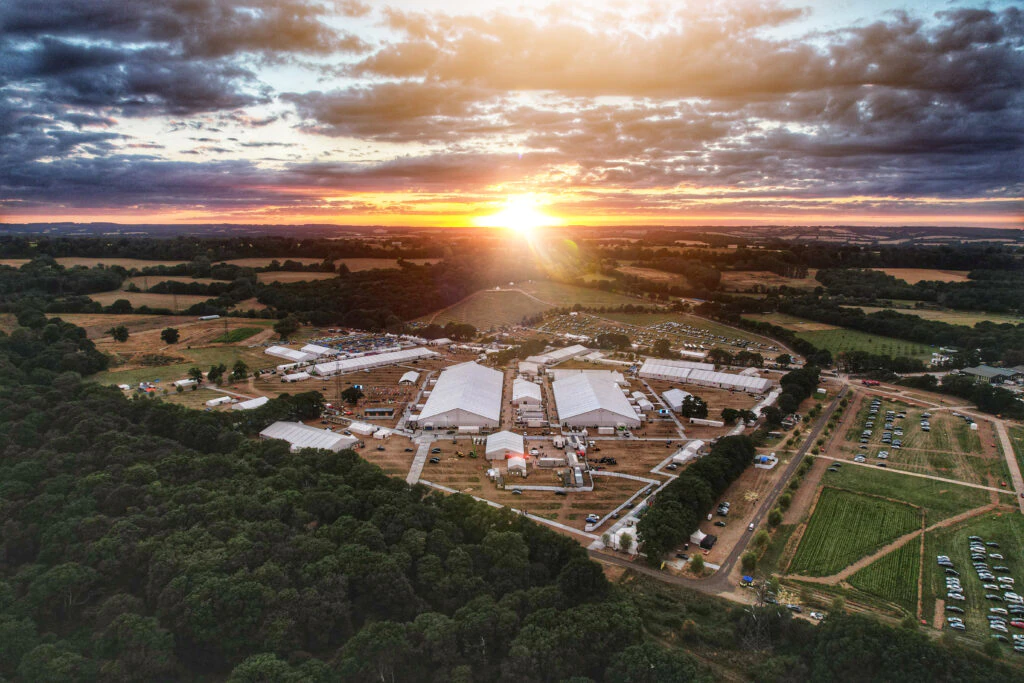
As Britain prepares to host its largest Muslim convention, the transformation of this humble gathering from its modest origins to a global event stands as a Divine sign. Yet another aspect of its history offers an even more emphatic testimony to the existence of God.
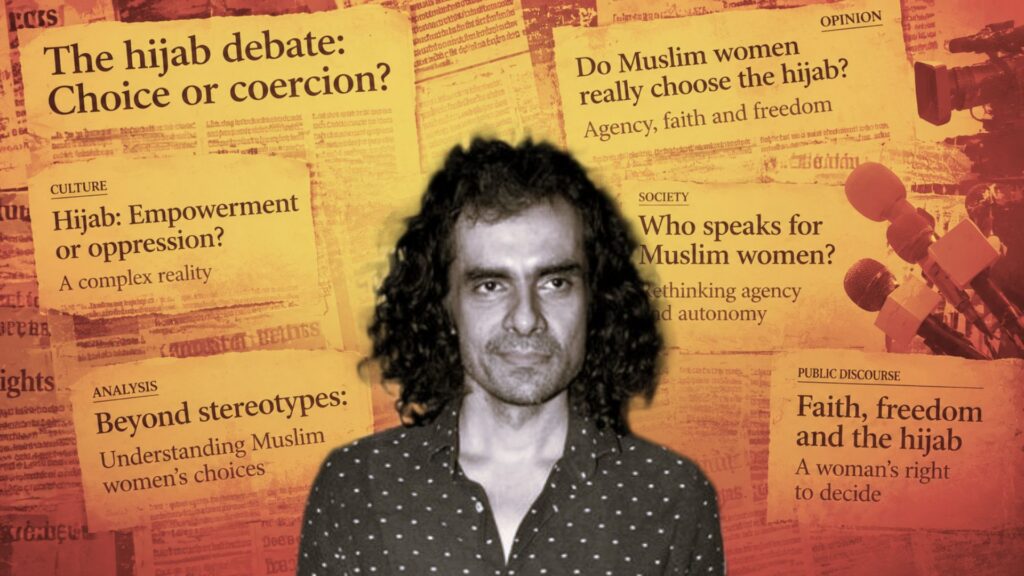
Can a woman truly be said to have freedom if her choices are only respected when they conform to someone else’s idea of liberation? The debate over the burqa reveals less about Muslim women and more about who is allowed the dignity of agency.
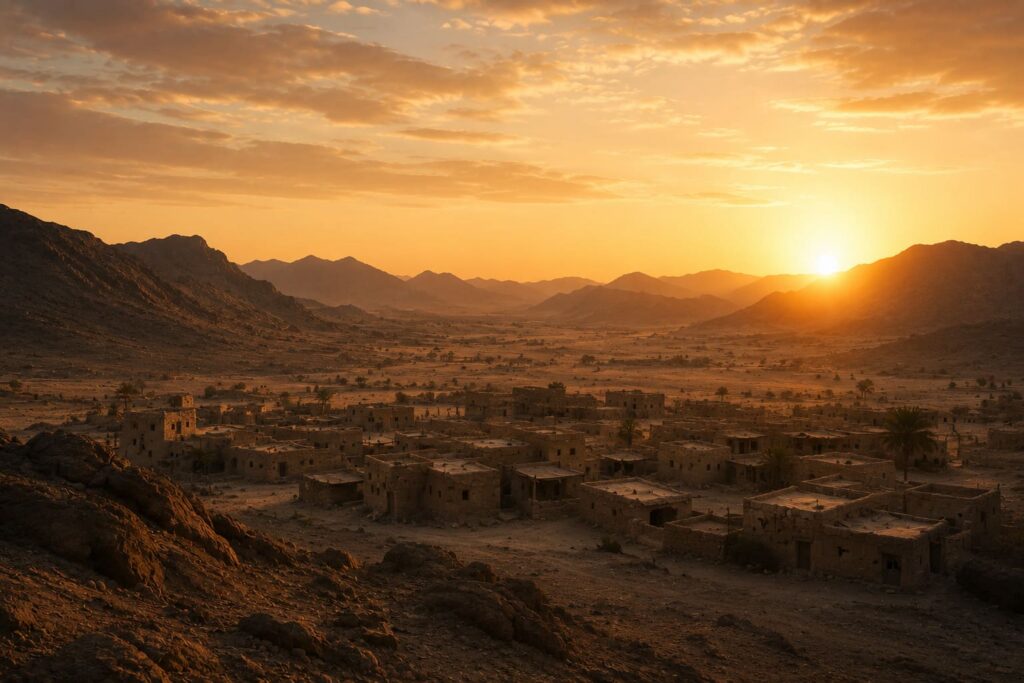
In the early 7th century, when academic traditions had largely faded across much of the known world, the seeds of a new intellectual revolution were sown in Arabia. What followed was a Golden Age that laid the foundations for modern science and civilisation.
What began in childhood grew into a lifelong relationship with Khilafat—one shaped by prayers, guidance, and memories treasured across generations.
In moments when words feel inadequate and answers seem distant, Khilafat offers something deeper: the reassurance of being heard, remembered, and held in prayer.
During a period of spiritual distance, a simple gift from the Khalifa became a symbol of purpose, trust, and a lifelong commitment to serving faith through words.
For a believer, Khilafat is a source of comfort and strength, offering peace through prayers, guidance, and the assurance of being remembered.
What began as a child’s attempt to offer salam became a lifelong reminder that divine love finds us long before we know we are lost.
When the world turned us away, the prayers of the Khalifa offered comfort, resilience, and the strength to persevere through every trial.
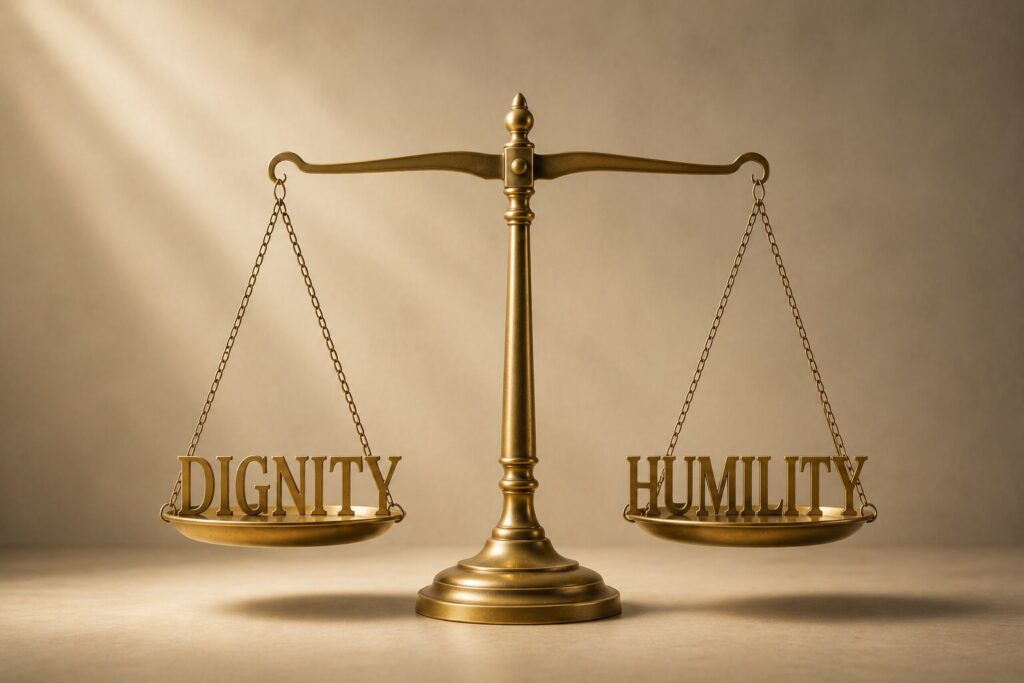
In a moment of uncertainty, the Khalifa’s prayers and trust offered a powerful lesson in freedom, faith, and the dignity of choice.
In a world shadowed by conflict, division, and uncertainty, the Ahmadiyya Muslim Community, under the leadership of its Khalifa, provides a clear and urgent roadmap to peace.
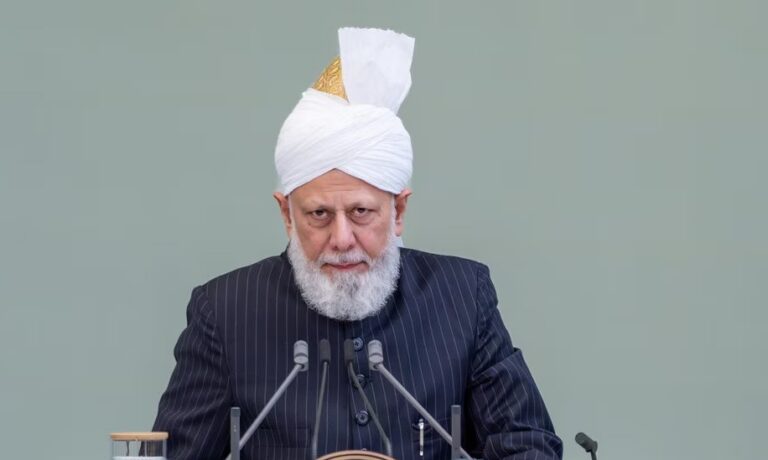
Amidst worsening global circumstances, the Ahmadiyya Khalifa urges prayers and calls upon Muslim nations to unite.
Do you struggle to stick to your resolutions? Often, it’s the small, consistent steps, not radical change, that lead to lasting transformation—a principle deeply embedded in Islam and reflected in its daily practices.
For over two decades, the Ahmadiyya Khalifa has been warning the world about the urgent need for justice and peace. Yet, his consistent calls remain largely unheeded as global tensions continue to rise.
As the consequences of his action became apparent, Adam realised his mistake and sought to compensate for it. He began to counter Satan’s deception and restore order within his community.
Mothers are not only central to the home, but also to the moral and spiritual foundation of society. This Mother’s Day, let’s honour their vital role in nurturing the next generation.
School bullying is a serious issue with potentially devastating consequences. The Ahmadiyya Khalifa highlights the crucial role of parents in building their children’s confidence and taking practical steps to tackle the problem.
Are extremists truly driven by faith? Or are they merely using it as a guise to further their own interests? What does Islam teach about peace and violence?
Far ahead of its time, the Covenant of Medina introduced practical methods for fostering pluralism among the diverse peoples under its jurisdiction—a key foundation for building a society based on freedom and mutual trust.
Throughout its history, Earth encountered many paradoxical challenges that threatened its journey towards life. On this Earth Day, let us explore some of the intricate factors that make Earth the only home to life we know.