ARTICLES

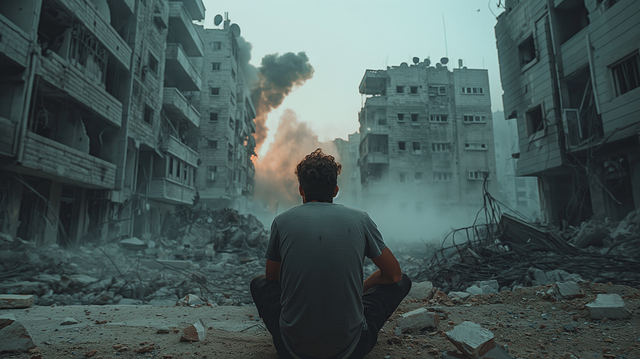
In a time of rising global tensions and growing disputes between nations, the need for responsible leadership and multilateral efforts to avert wider conflict has never been more important.
Fasting is obligatory, although the sick, the traveller, and those unable to bear it are exempt. Those unaware of these principles often fall into excess or neglect regarding the obligations of Ramadan, forgetting that religion is not a burden but a means of growth.
Ramadan is not merely a ritual of abstinence, but a sacred season of transformation. In its atmosphere of worship, restraint, and renewal lies a unique opportunity to reform the self, break old habits, and begin anew.
Do we worship what we fear? It is commonly held that belief in God emerged gradually as a result of humanity’s awe of natural forces. However, a study of history reveals this theory to be so devoid of evidence that it amounts to nothing but the speculation of atheistic thinkers.
Why would a good God allow suffering? If He is all-powerful and all-merciful, why does He not rid the world of misery? Isn’t a truly painless world the paradise we long for—or would such a reality, paradoxically, be nightmarish?
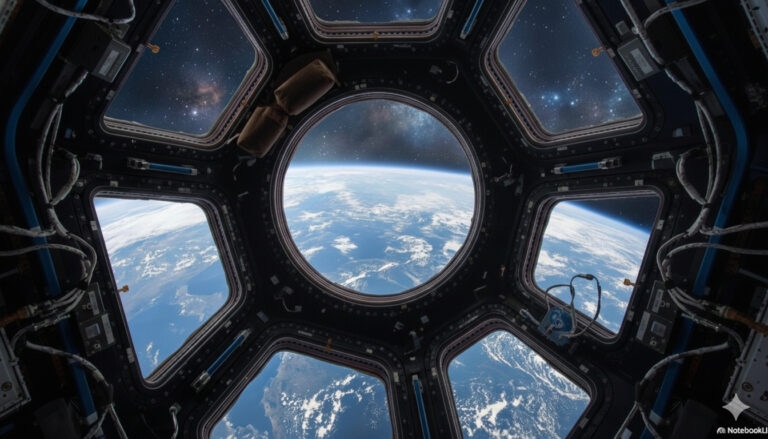
It is commonly argued that science and faith cannot coexist. However, some of the greatest scientific minds—those who have viewed the world from a vantage point experienced by only a handful in human history—beg to differ.
As enthusiasm fades and routines falter, consistency becomes the key to staying aligned with your goals and turning intention into lasting progress.
Those who accept beliefs without investigation follow error and hearsay, whereas true believers base their faith on proof, reasoning and certain knowledge.
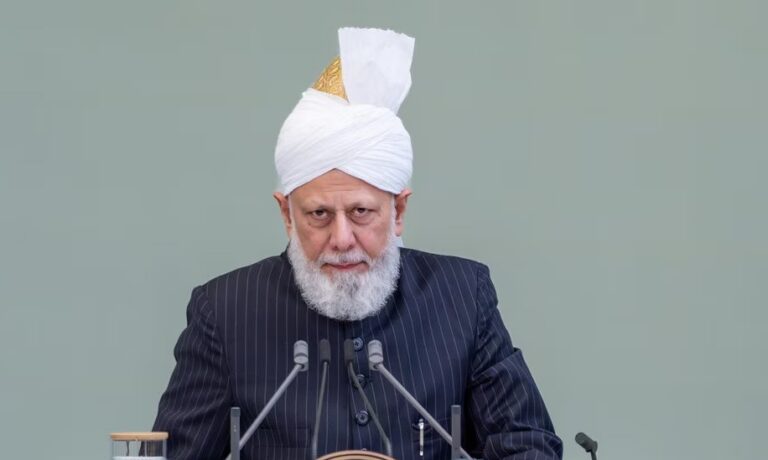
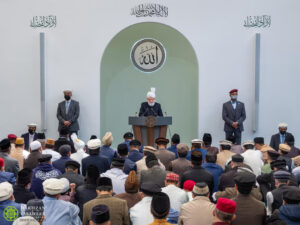
As the new year begins, the Ahmadiyya Caliph appeals for prayers for the progress of the Community, the release of imprisoned Ahmadis, the deliverance of oppressed people worldwide, and the establishment of peace across the globe.
Across history, there have been many attempts to end slavery. Yet, all too often, emancipation came at the cost of human lives or remained confined to paper, thus falling short of securing true human dignity.
It is generally understood that Iblis and Satan are identical. However, the Holy Quran maintains a distinction between these terms, revealing that they are not one and the same.
Ahmadiyya Khalifa explains how to make rational use of Artificial Intelligence, and if it is appropriate to entirely rely upon it.
Singling out religion—or worse—one particular religion as the sole driver of terrorism is only the result of prejudicial exaggeration of data and unfair distortion of facts.
The Ahmadiyya Khalifa urges Ahmadi Muslims to engage in prayers and preparedness amid escalating global tensions.
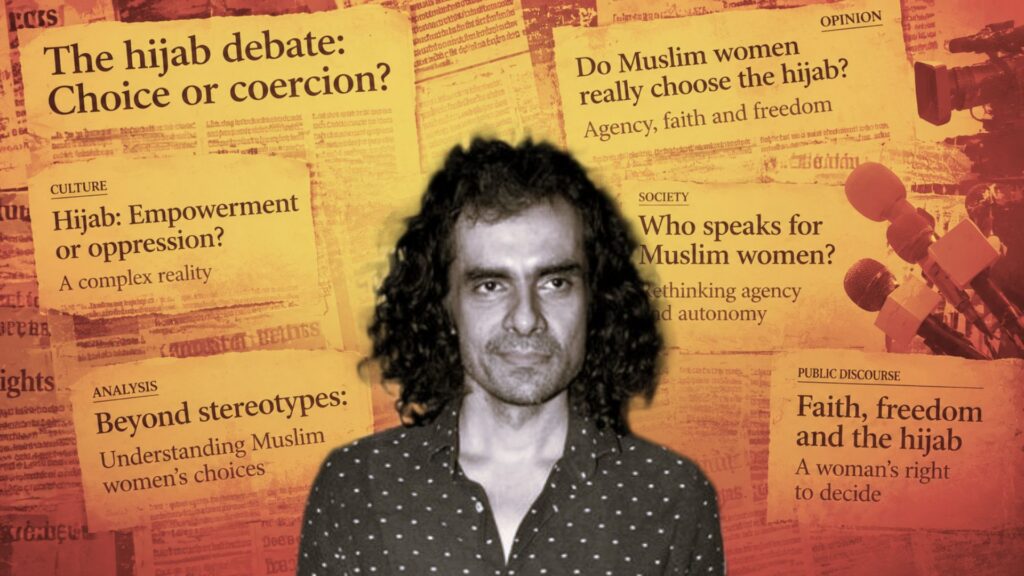
Opinions often surface branding the hijab as a symbol of oppression. Here, we respond to a recent Newslaundry article, challenging the narrative that Muslim women require ‘liberation’ from their choice to wear the veil.
If God is an epitome of love, why should we fear Him? The Ahmadiyya Khalifa explains the Islamic concept of righteousness, highlighting how true love inspires a fear of displeasing the beloved.
Islamic teachings provide essential principles for living in a society, addressing the political, social, economic, cultural, and religious aspects of human life.
Postpartum depression is a common yet often overlooked challenge that many new mothers face. Understanding its impact and finding effective coping strategies are essential for both maternal well-being and healthy parenting.
Ahmadiyya Khalifa explains the Islamic concept of religious evolution which occurred in parallel with the cognitive and social development of man.
While Akhtar blatantly characterises all religious people as mentally ill, his statements reveal that he is suffering from the very delusion he seeks to find in others.