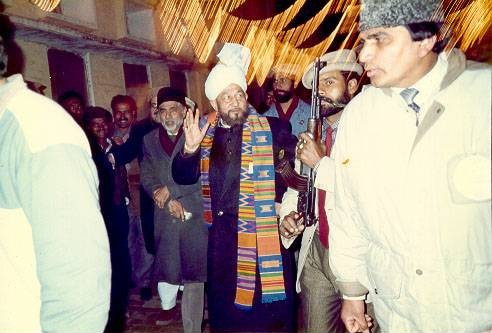
As Britain prepares to host its largest Muslim convention, the transformation of this humble gathering from its modest origins to a global event stands as a Divine sign. Yet another aspect of its history offers an even more emphatic testimony to the existence of God.
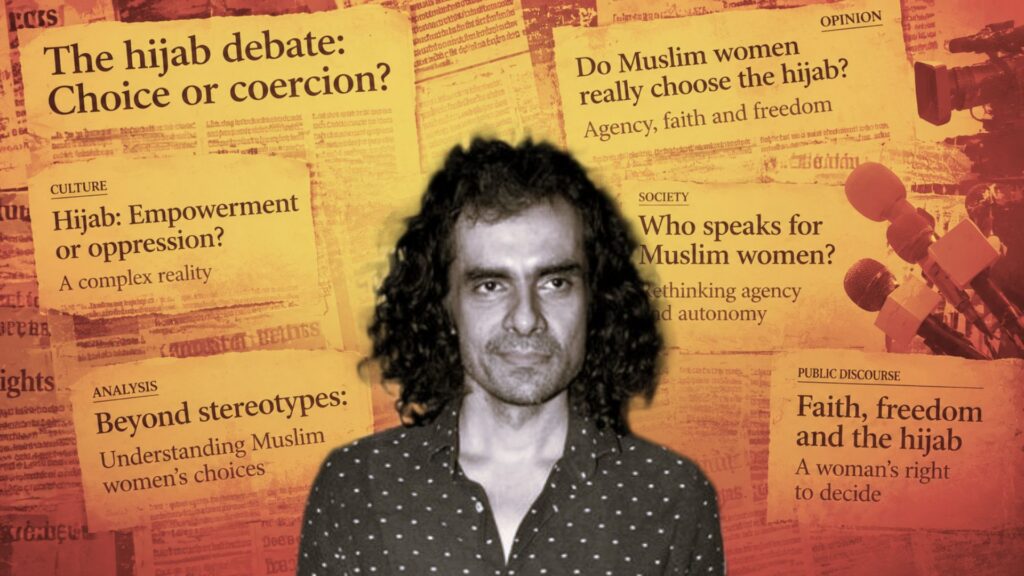
Can a woman truly be said to have freedom if her choices are only respected when they conform to someone else’s idea of liberation? The debate over the burqa reveals less about Muslim women and more about who is allowed the dignity of agency.
In the early 7th century, when academic traditions had largely faded across much of the known world, the seeds of a new intellectual revolution were sown in Arabia. What followed was a Golden Age that laid the foundations for modern science and civilisation.
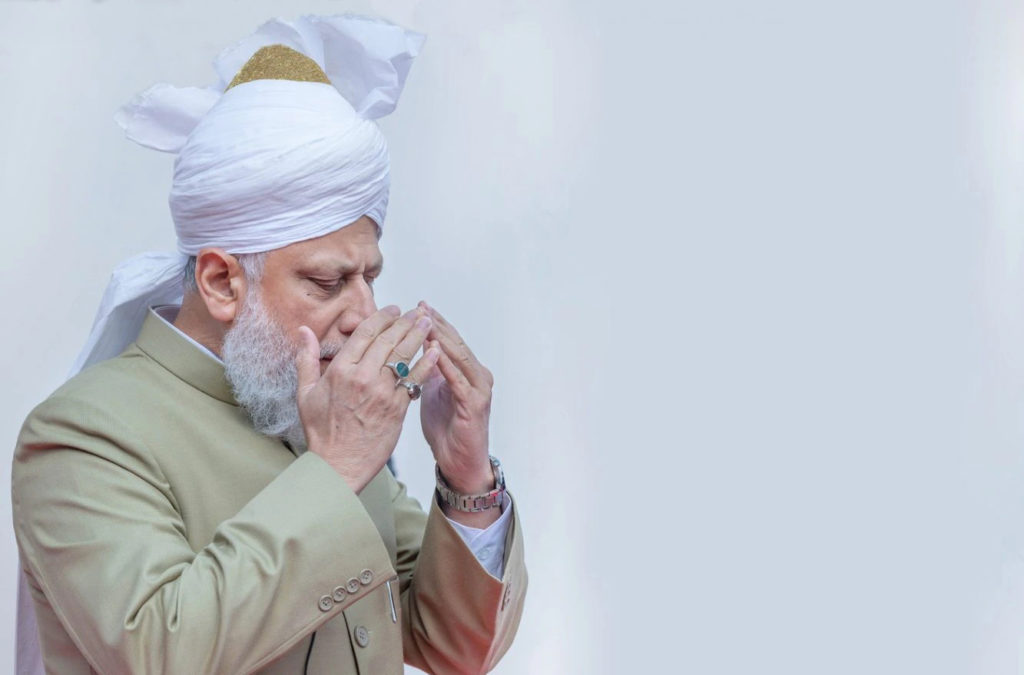
In moments when words feel inadequate and answers seem distant, Khilafat offers something deeper: the reassurance of being heard, remembered, and held in prayer.
During a period of spiritual distance, a simple gift from the Khalifa became a symbol of purpose, trust, and a lifelong commitment to serving faith through words.
Since the rise of New Atheism, the demand to prove God empirically has grown louder. Nevertheless, this insistence is nothing more than an old, rejected argument—repackaged and presented as new.
Amid global turmoil and escalating injustice against Palestinians, the Ahmadiyya Caliph calls for prayers and urges leaders to reform, embrace justice, and work towards lasting peace.
True service lies in using one’s skills for humanity. The Ahmadiyya Caliph reminds architects that true success is found in service—designing affordable homes and hospitals that uplift the poor and strengthen the Community’s humanitarian mission.
Today marks 80 years since the atomic bombings of Hiroshima and Nagasaki, and the world seems to be standing on the brink of another global conflict. Has time erased our memories?
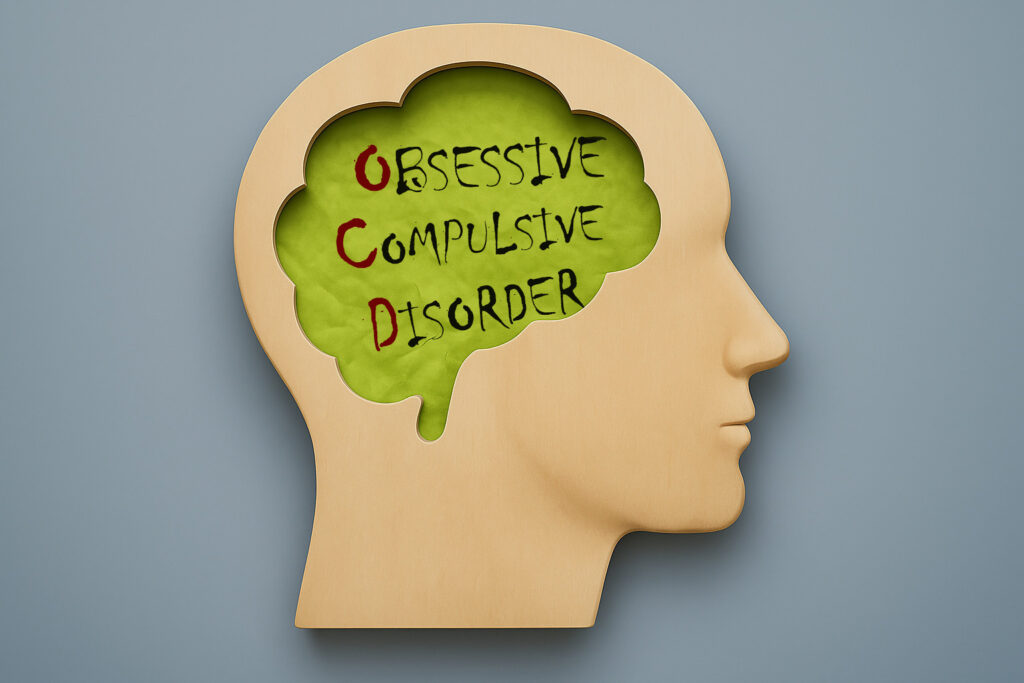
Obsessive-Compulsive Disorder (OCD) is a complex but treatable mental health condition marked by intrusive thoughts and repetitive behaviours. Early recognition and timely intervention are key to managing symptoms and improving quality of life.
Terrorism thrives where justice and public welfare are neglected. The Ahmadiyya Caliph urges leaders to serve the people and build economic stability to prevent extremist influence and preserve national peace.
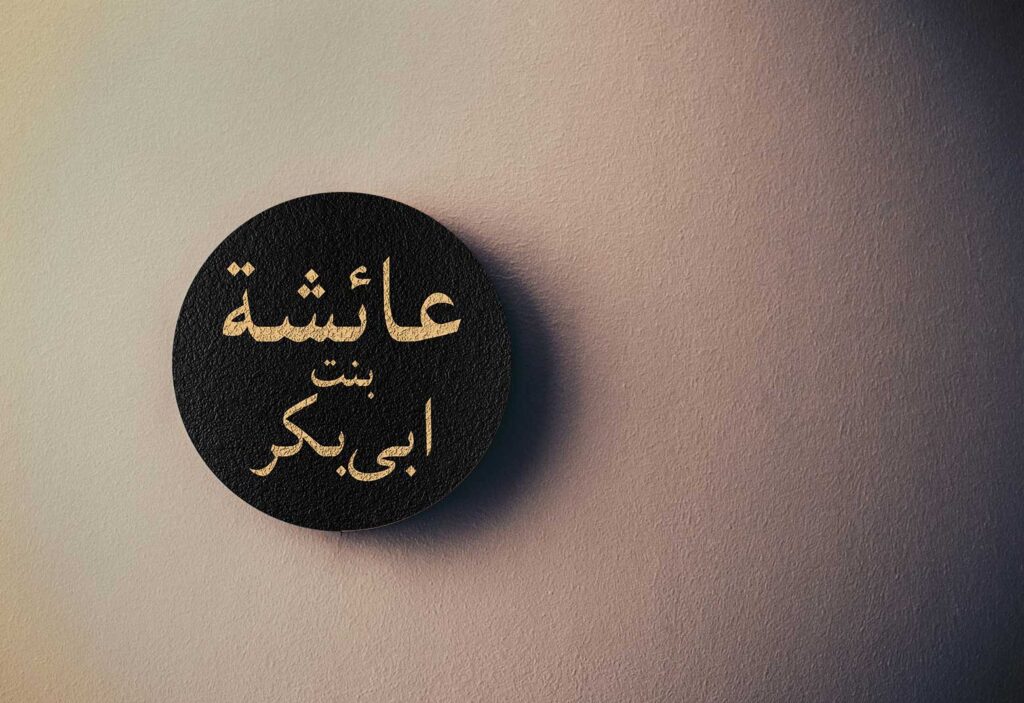
In an era where women’s voices were often silenced, Hazrat Aishara spoke with wisdom and authority, exemplifying the rights women held in Islam from its outset.
Rather than being a mythical figure of the future, the Prophetic warnings show that Dajjal is an ever-present system of deception disguised as modernity, progress, and freedom.
Surrogacy challenges the Islamic concept of motherhood and lineage. The Ahmadiyya Caliph outlines why the practice is unlawful in Islam and emphasises preserving the sanctity of the family structure.