In the early 7th century, when academic traditions had largely faded across much of the known world, the seeds of a new intellectual revolution were sown in Arabia. What followed was a Golden Age that laid the foundations for modern science and civilisation.
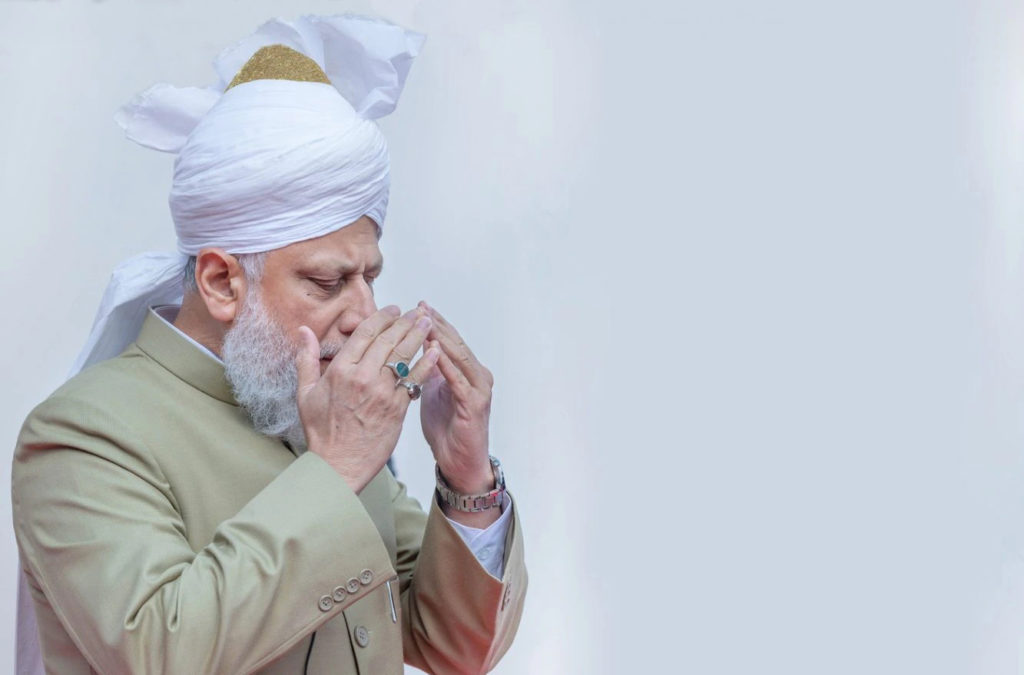
In moments when words feel inadequate and answers seem distant, Khilafat offers something deeper: the reassurance of being heard, remembered, and held in prayer.
During a period of spiritual distance, a simple gift from the Khalifa became a symbol of purpose, trust, and a lifelong commitment to serving faith through words.
More precious than gold itself, the letters from the Khalifa carried prayers, comfort, and a spiritual connection that strengthened faith at every stage of life.
When Ibrahim(as) raised the knife, it was not the animal that was being tested. It was the man holding it. Eid al-Adha is a reminder that sacrifice is not meant to end with the ritual, but to begin with it.
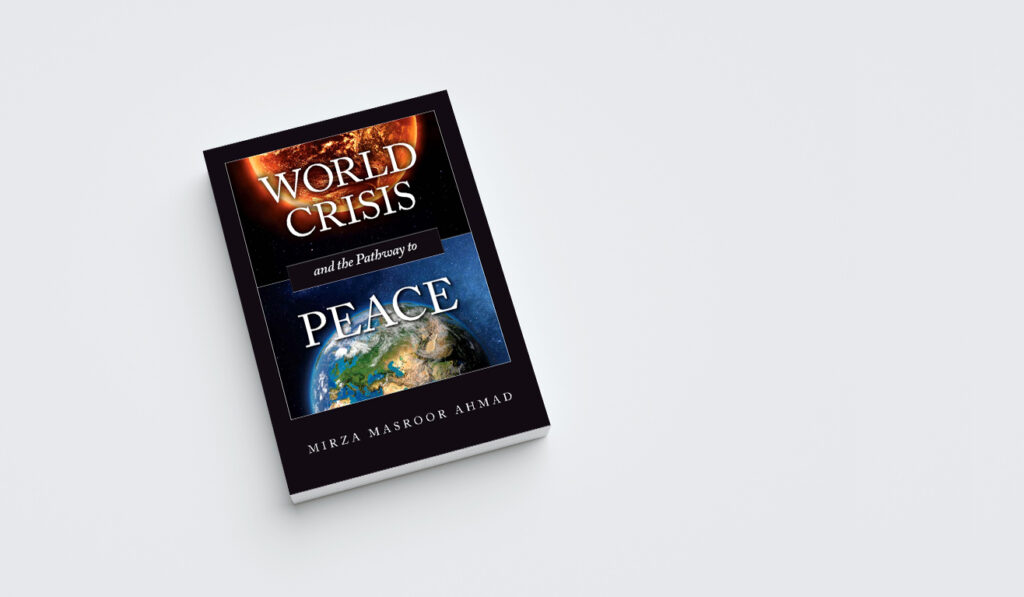
In a world teetering on the edge of conflict, readers from different walks of life share their reflections on the Ahmadiyya Khalifa’s book ‘World Crisis and the Pathway to Peace’, a powerful call for justice, compassion, and lasting harmony.
The Ahmadiyya Caliph reminds that real integration is not imitation, but active contribution—building bonds with neighbours, serving society with loyalty, and upholding faith with confidence.
In a world divided by conflict and moral uncertainty, the timeless example of Prophet Muhammadsa offers guidance and hope humanity still desperately needs.
Panic Attacks are sudden waves of intense fear that can feel overwhelming, but with awareness and the right strategies, they are manageable and treatable.
A father’s personal journey, reflecting on how the Prophetic teachings celebrate daughters as blessings, not burdens, and how his influence—resonating through time—safeguards against such societal prejudices.
Did Prophet Noah’s age really exceed normal human lifespan? Or does the ‘950 years’ represent the period of his law and dispensation? What deeper message does the Quran convey by mentioning this period?
Since the rise of New Atheism, the demand to prove God empirically has grown louder. Nevertheless, this insistence is nothing more than an old, rejected argument—repackaged and presented as new.
Amid global turmoil and escalating injustice against Palestinians, the Ahmadiyya Caliph calls for prayers and urges leaders to reform, embrace justice, and work towards lasting peace.