ARTICLES
More precious than gold itself, the letters from the Khalifa carried prayers, comfort, and a spiritual connection that strengthened faith at every stage of life.
When Ibrahim(as) raised the knife, it was not the animal that was being tested. It was the man holding it. Eid al-Adha is a reminder that sacrifice is not meant to end with the ritual, but to begin with it.
Travelling to meet the Khalifa was a journey of priceless value for our family, where worldly concerns became insignificant before the weight of spiritual blessing.
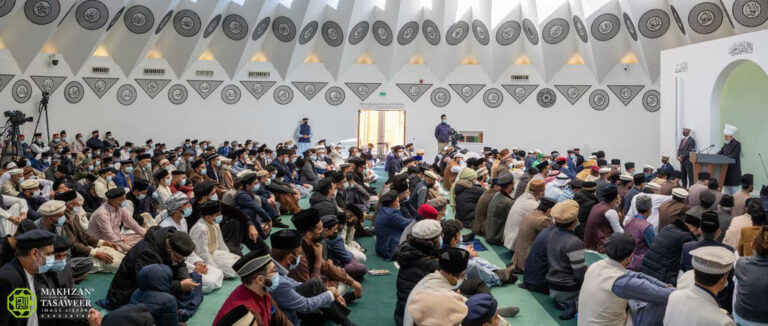
In an age fractured by division, confusion, and spiritual uncertainty, Khilafat stands as Islam’s enduring institution of unity—offering moral clarity, divine guidance, and a living connection between humanity and God.
Debates surrounding animal sacrifice intensify during Eid al-Adha. However such discussions often fail to recognise that true sacrifice in Islam extends far beyond the material ritual, centring on righteousness and spiritual reflection.
While the modern world still debates the right of women to education, Islam, over fourteen centuries ago, revolutionised women’s rights by declaring that the acquisition of knowledge is—not just a right—but a responsibility of women.
What begins as a few minutes of harmless scrolling often turns into mental exhaustion and distraction. While disconnecting from technology is not a realistic option in today’s world, we can still choose to use it wisely.
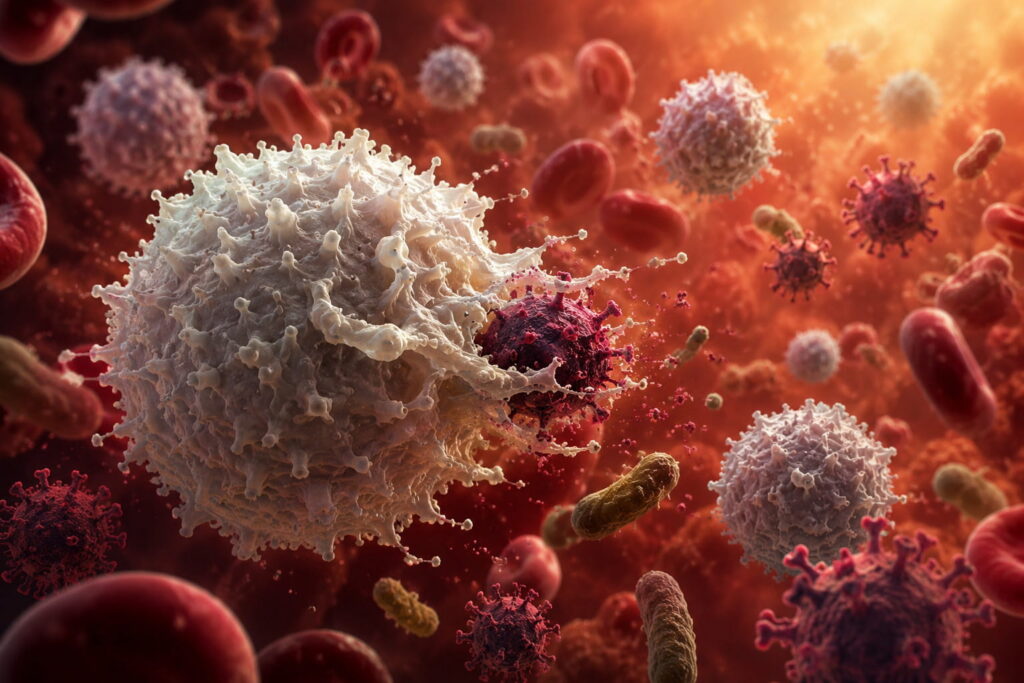
As reliance on artificial intelligence increases, how can patients be guided to place their trust in doctors’ informed medical judgment rather than in artificial intelligence?
Did Prophet Noahas take every animal species into the Ark? Was the Ark vast enough to contain all creatures on earth? Or did the command simply refer to taking only the animals that were needed?
Gaining the true cognition of God has never been simple—and perhaps never more easily prone to error than today. Could God have left us to wander in uncertainty, or has He arranged a means to guide us to His true recognition?
More precious than gold itself, the letters from the Khalifa carried prayers, comfort, and a spiritual connection that strengthened faith at every stage of life.
When Ibrahim(as) raised the knife, it was not the animal that was being tested. It was the man holding it. Eid al-Adha is a reminder that sacrifice is not meant to end with the ritual, but to begin with it.
Travelling to meet the Khalifa was a journey of priceless value for our family, where worldly concerns became insignificant before the weight of spiritual blessing.
In an age fractured by division, confusion, and spiritual uncertainty, Khilafat stands as Islam’s enduring institution of unity—offering moral clarity, divine guidance, and a living connection between humanity and God.
Debates surrounding animal sacrifice intensify during Eid al-Adha. However such discussions often fail to recognise that true sacrifice in Islam extends far beyond the material ritual, centring on righteousness and spiritual reflection.
While the modern world still debates the right of women to education, Islam, over fourteen centuries ago, revolutionised women’s rights by declaring that the acquisition of knowledge is—not just a right—but a responsibility of women.
What begins as a few minutes of harmless scrolling often turns into mental exhaustion and distraction. While disconnecting from technology is not a realistic option in today’s world, we can still choose to use it wisely.
As reliance on artificial intelligence increases, how can patients be guided to place their trust in doctors’ informed medical judgment rather than in artificial intelligence?
Did Prophet Noahas take every animal species into the Ark? Was the Ark vast enough to contain all creatures on earth? Or did the command simply refer to taking only the animals that were needed?
Gaining the true cognition of God has never been simple—and perhaps never more easily prone to error than today. Could God have left us to wander in uncertainty, or has He arranged a means to guide us to His true recognition?