Did Prophet Noahas take every animal species into the Ark? Was the Ark vast enough to contain all creatures on earth? Or did the command simply refer to taking only the animals that were needed?
Gaining the true cognition of God has never been simple—and perhaps never more easily prone to error than today. Could God have left us to wander in uncertainty, or has He arranged a means to guide us to His true recognition?
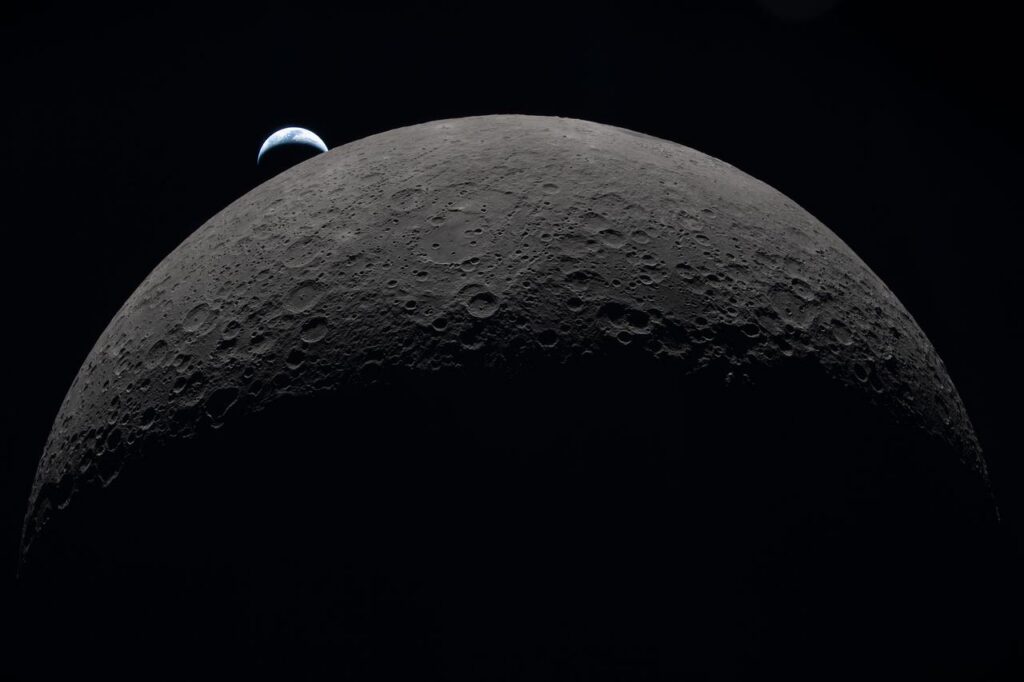
As humanity returns to the Moon after decades and witnesses yet more grand views of the universe, many are discussing the scientific and spiritual implications of the Artemis program. Tellingly, some atheists do not seem to like it.
Global unrest grows where justice is compromised, and divisions are allowed to deepen. True security lies in strengthening faith, fostering unity, and striving for peace so that societies are protected from conflict and moral decline.
As Ramadan draws to a close, the true measure of its success lies in allowing its spiritual colour to permeate our lives, shaping our character and guiding our actions for a lifetime.
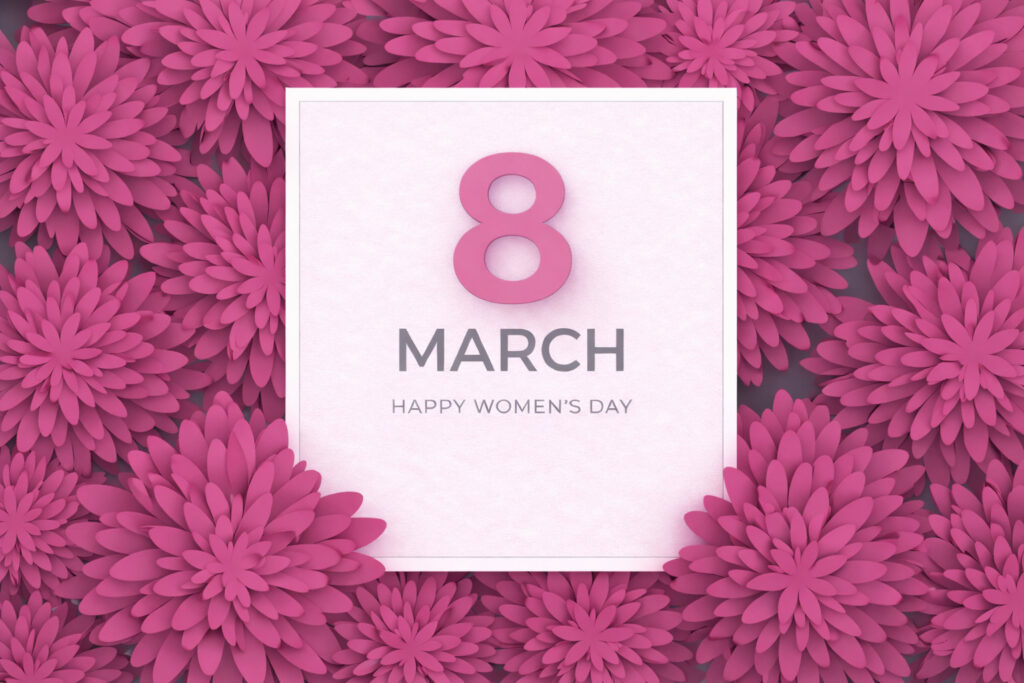
A special feature in celebration of International Women’s Day, highlighting tributes from Ahmadi Muslim women from diverse walks of life, reflecting on the female role models who have shaped their lives and inspired their journeys.
In a time of rising global tensions and growing disputes between nations, the need for responsible leadership and multilateral efforts to avert wider conflict has never been more important.
Fasting is obligatory, although the sick, the traveller, and those unable to bear it are exempt. Those unaware of these principles often fall into excess or neglect regarding the obligations of Ramadan, forgetting that religion is not a burden but a means of growth.
Ramadan is not merely a ritual of abstinence, but a sacred season of transformation. In its atmosphere of worship, restraint, and renewal lies a unique opportunity to reform the self, break old habits, and begin anew.
True security lies not in fear, but in faith—strengthening one’s bond with Allah, continuing to plan with wisdom, and striving with hope regardless of global uncertainty.
From memories to milestones, more of life is becoming public content. In a world obsessed with visibility, have we forgotten the art of living for ourselves?
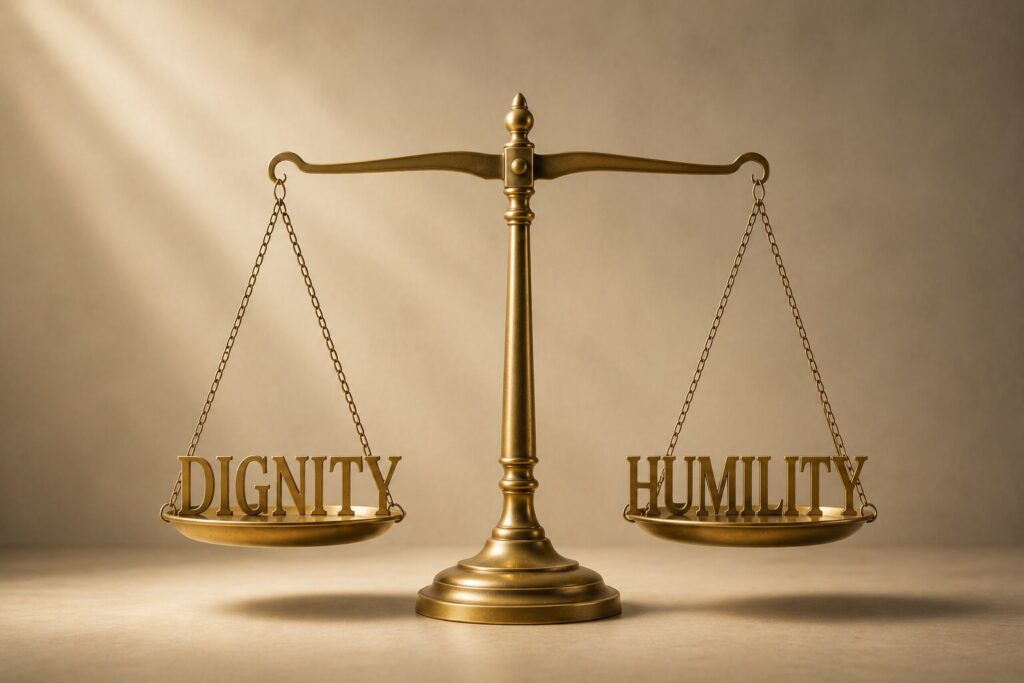
In distinguishing between pride and dignity, how can one remain humble while maintaining one’s sense of self-worth and treating others with kindness and respect?
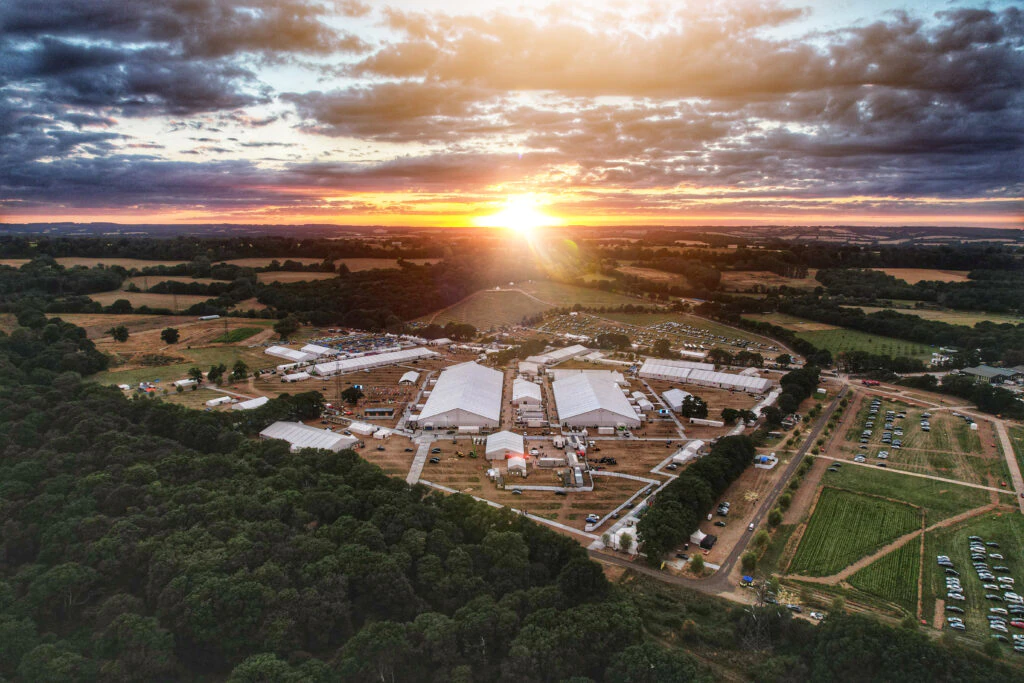
As Britain prepares to host its largest Muslim convention, the transformation of this humble gathering from its modest origins to a global event stands as a Divine sign. Yet another aspect of its history offers an even more emphatic testimony to the existence of God.
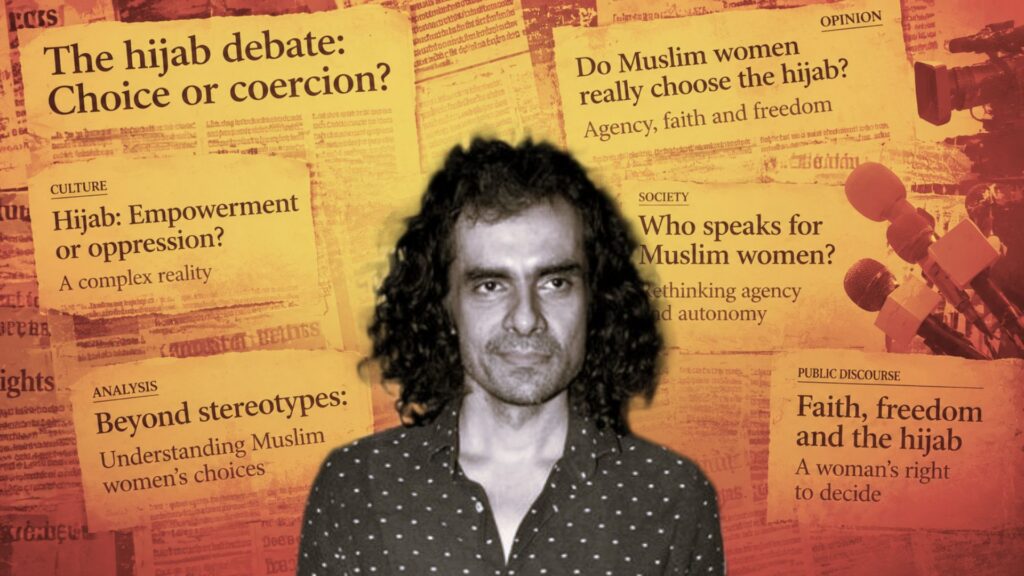
Can a woman truly be said to have freedom if her choices are only respected when they conform to someone else’s idea of liberation? The debate over the burqa reveals less about Muslim women and more about who is allowed the dignity of agency.
In the early 7th century, when academic traditions had largely faded across much of the known world, the seeds of a new intellectual revolution were sown in Arabia. What followed was a Golden Age that laid the foundations for modern science and civilisation.
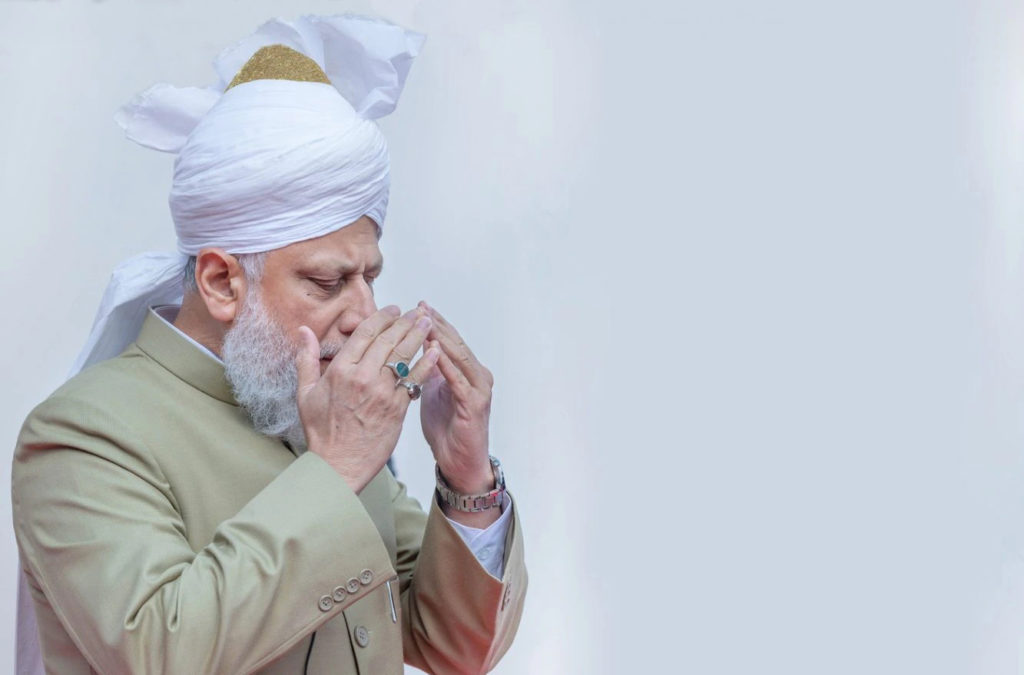
In moments when words feel inadequate and answers seem distant, Khilafat offers something deeper: the reassurance of being heard, remembered, and held in prayer.
During a period of spiritual distance, a simple gift from the Khalifa became a symbol of purpose, trust, and a lifelong commitment to serving faith through words.