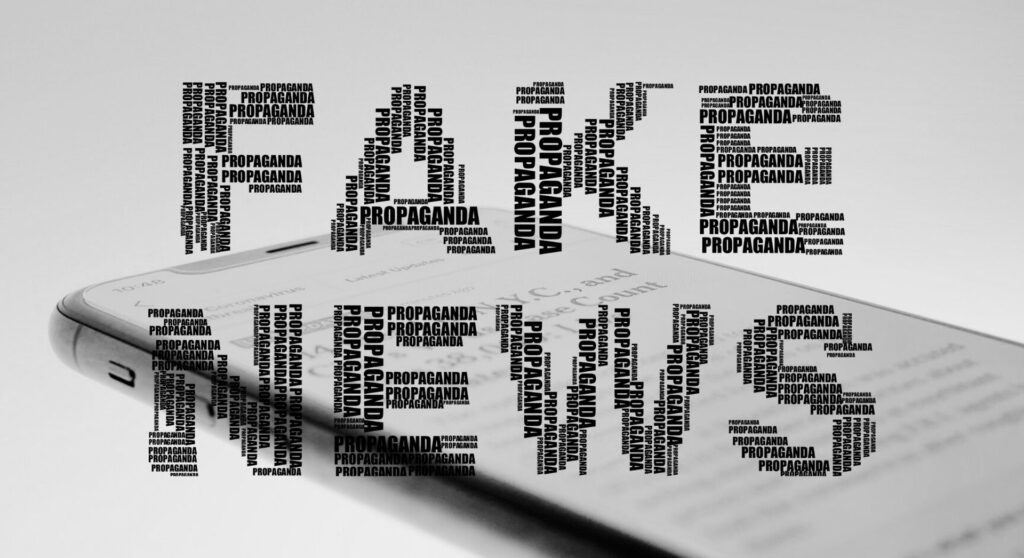
The importance of discerning truth from falsehood cannot be overstated in today’s world of widespread disinformation. On this International Fact-Checking Day, let us reflect on the Islamic framework for verifying information and upholding truth.
True Eid is the day a person sincerely repents and turns to God. The Ahmadiyya Khalifa highlights that the real essence of Eid lies in upholding the spirit of repentance and righteousness cultivated during Ramadan.
As this year’s Ramadan draws to a close, we should seek to carry its blessings forward throughout the year. As we bid farewell to this blessed month, let us not bid farewell to the spirit it ignited within us.
Whenever the world plunges into the abyss of darkness and the night appears endless, a night of divine decree manifests, reminding of a radiant dawn that is about to follow.
Women’s mental health is often overlooked, yet understanding the challenges women face and adopting coping strategies can enhance their emotional strength. On International Women’s Day, let’s prioritise women’s mental well-being.
The physical endeavours one undertakes during Ramadan must also spark a spiritual transformation in them, thus merging the two heats reflected in the very name of the month.
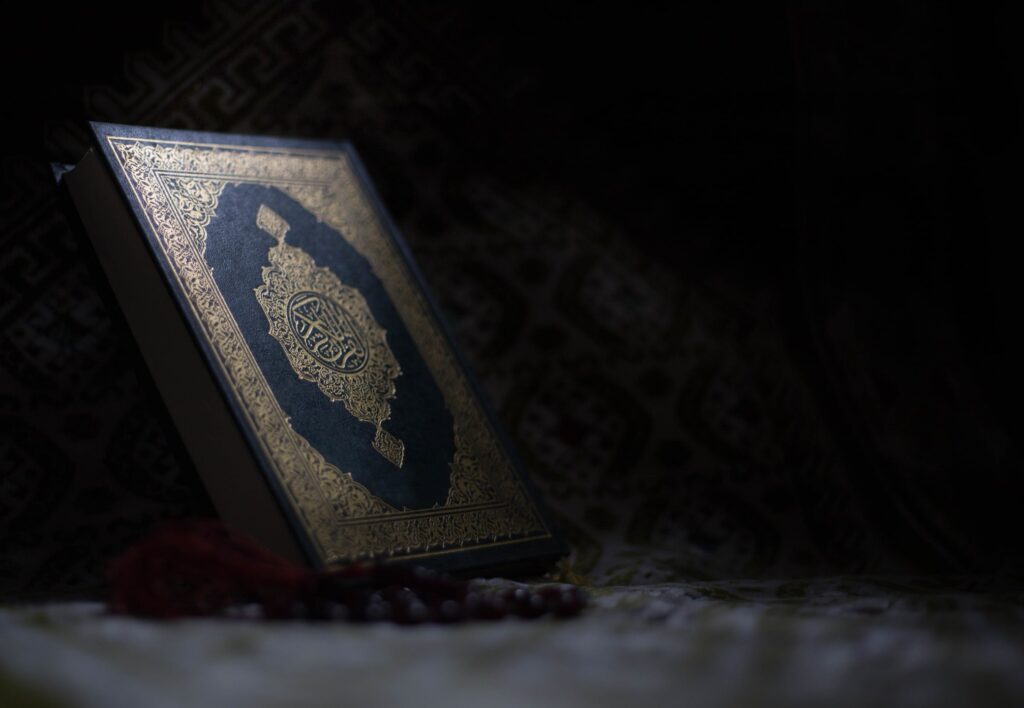
Satan deceived Hazrat Adam(as) by disguising his true intentions, misleading him into an error despite God’s warning. The Holy Quran reveals how this deception unfolded.
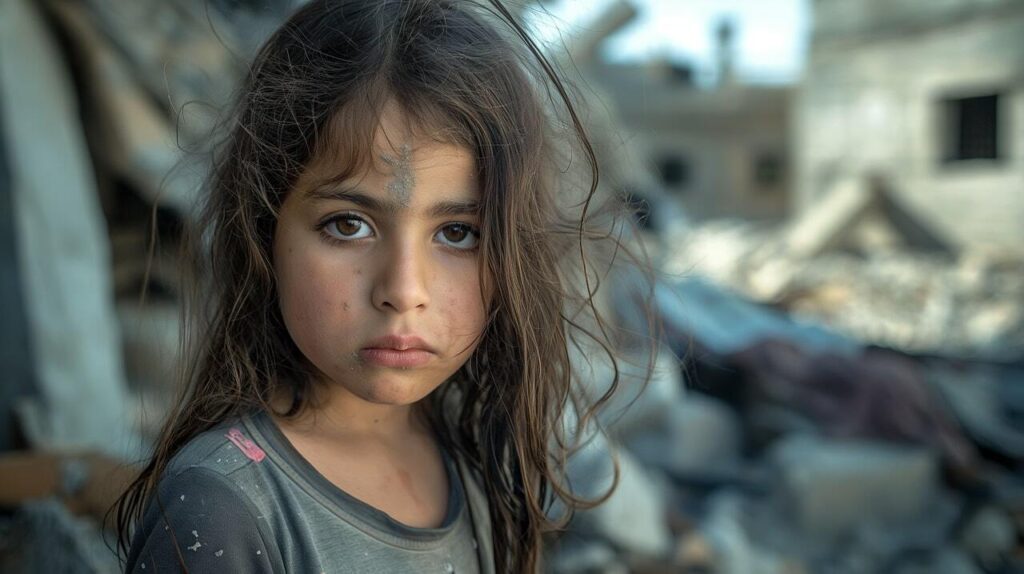
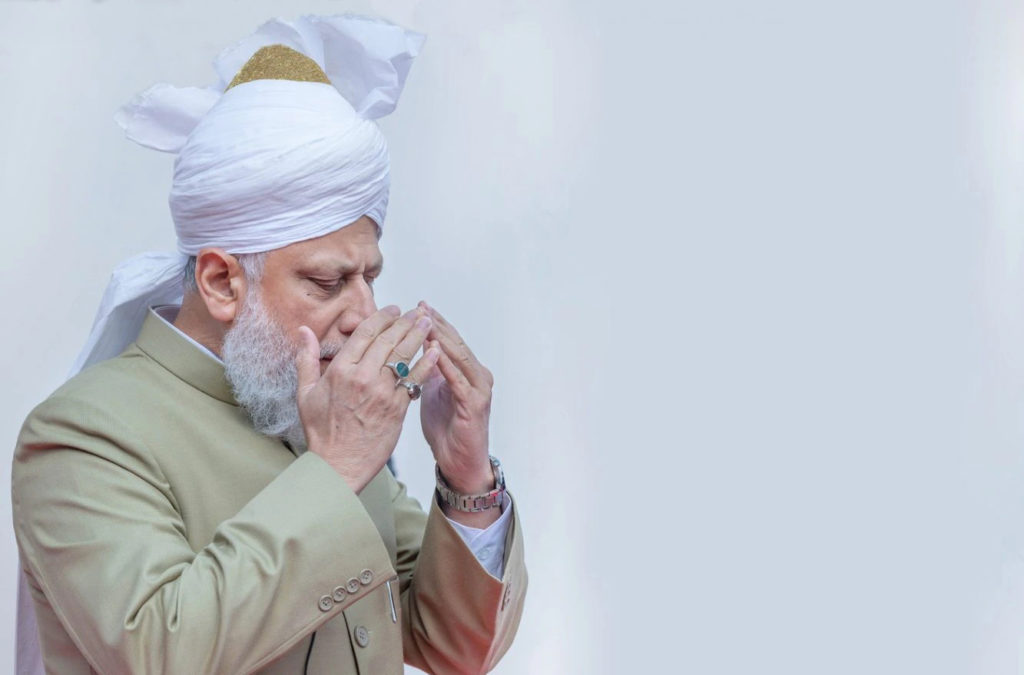
The Ahmadiyya Khalifa urges prayers amidst dire global circumstances, emphasising peace worldwide, justice for Palestinians, and unity in the Muslim world.
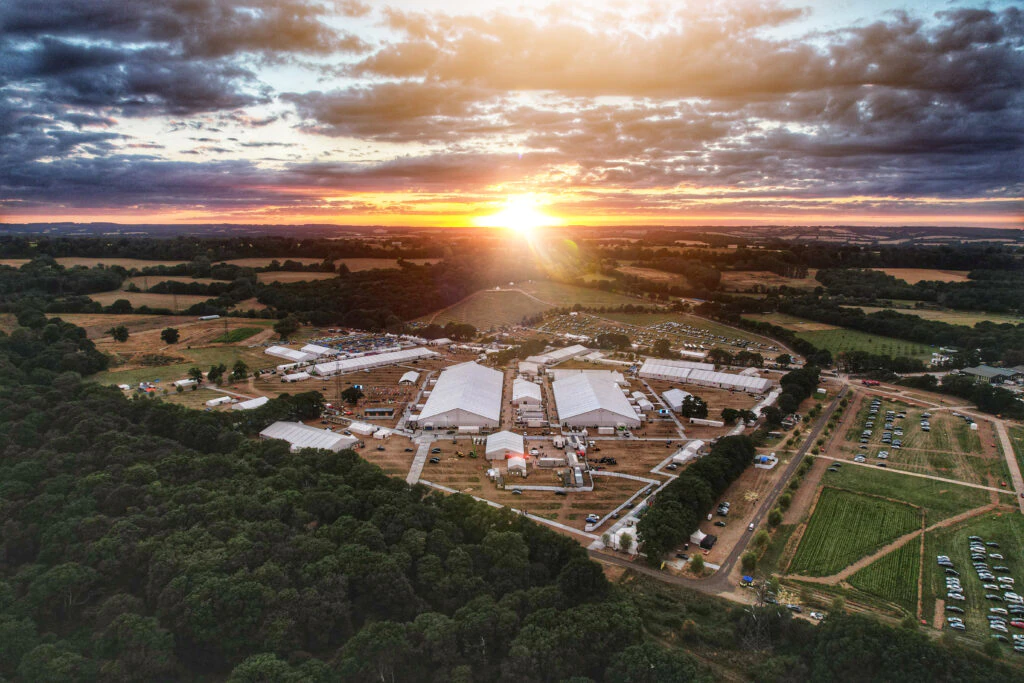
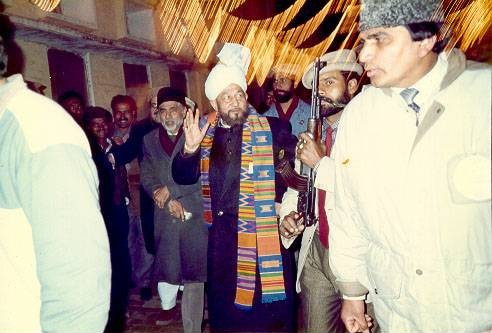
As Britain prepares to host its largest Muslim convention, the transformation of this humble gathering from its modest origins to a global event stands as a Divine sign. Yet another aspect of its history offers an even more emphatic testimony to the existence of God.
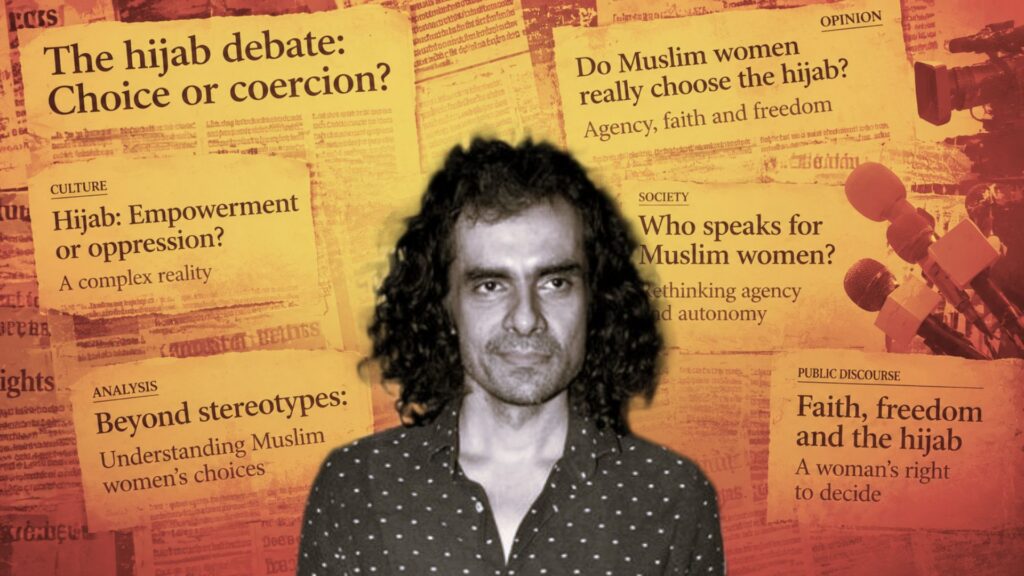
Can a woman truly be said to have freedom if her choices are only respected when they conform to someone else’s idea of liberation? The debate over the burqa reveals less about Muslim women and more about who is allowed the dignity of agency.
In the early 7th century, when academic traditions had largely faded across much of the known world, the seeds of a new intellectual revolution were sown in Arabia. What followed was a Golden Age that laid the foundations for modern science and civilisation.
In moments when words feel inadequate and answers seem distant, Khilafat offers something deeper: the reassurance of being heard, remembered, and held in prayer.
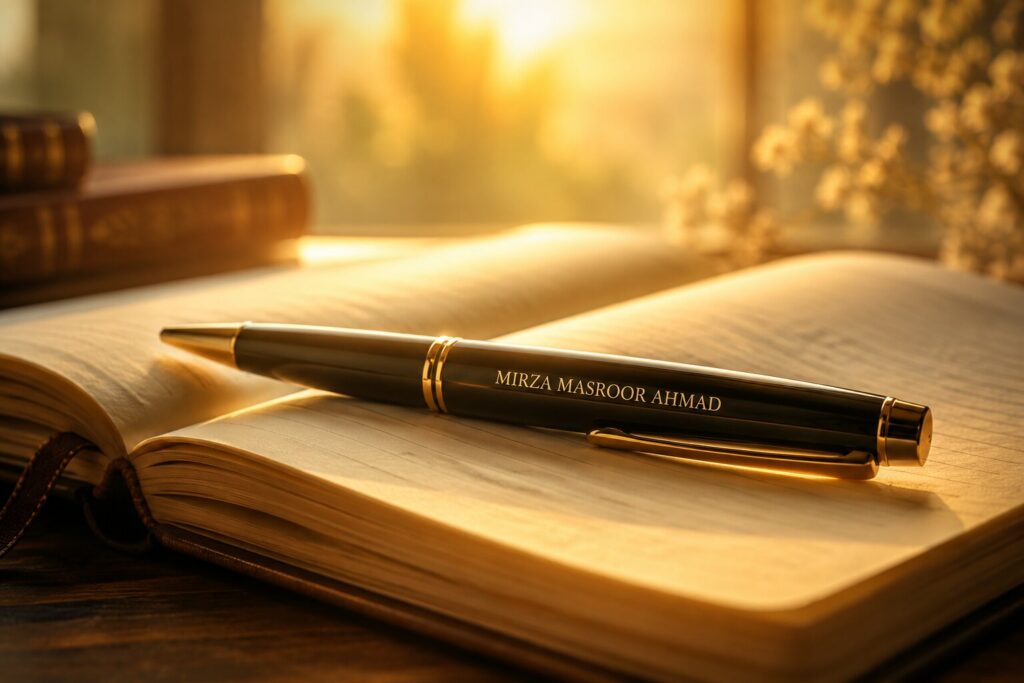
During a period of spiritual distance, a simple gift from the Khalifa became a symbol of purpose, trust, and a lifelong commitment to serving faith through words.