ARTICLES
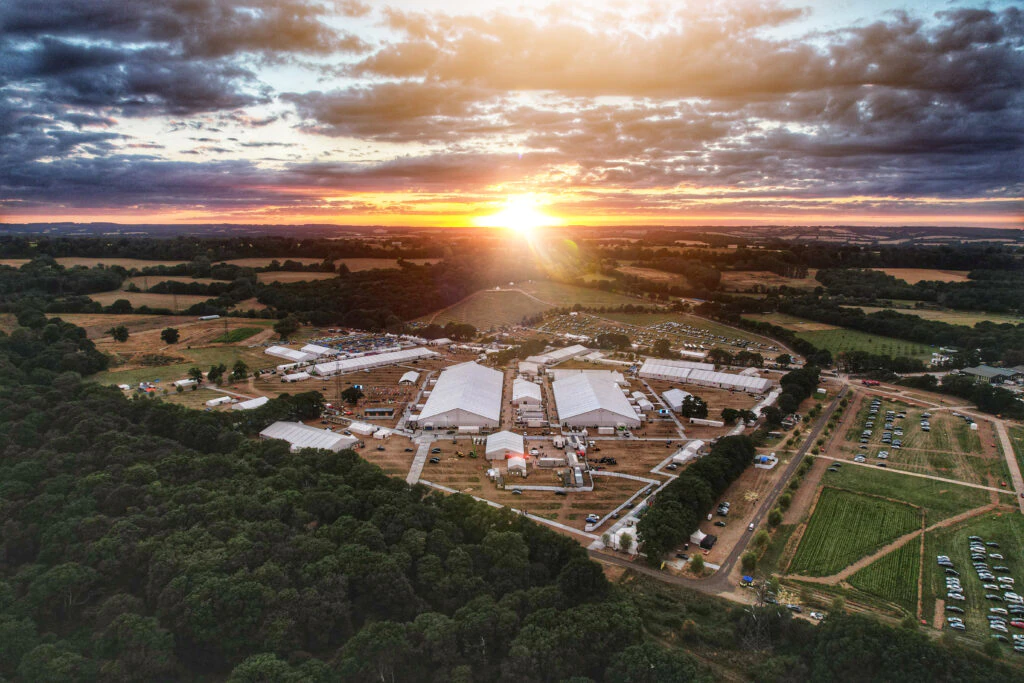
As Britain prepares to host its largest Muslim convention, the transformation of this humble gathering from its modest origins to a global event stands as a Divine sign. Yet another aspect of its history offers an even more emphatic testimony to the existence of God.
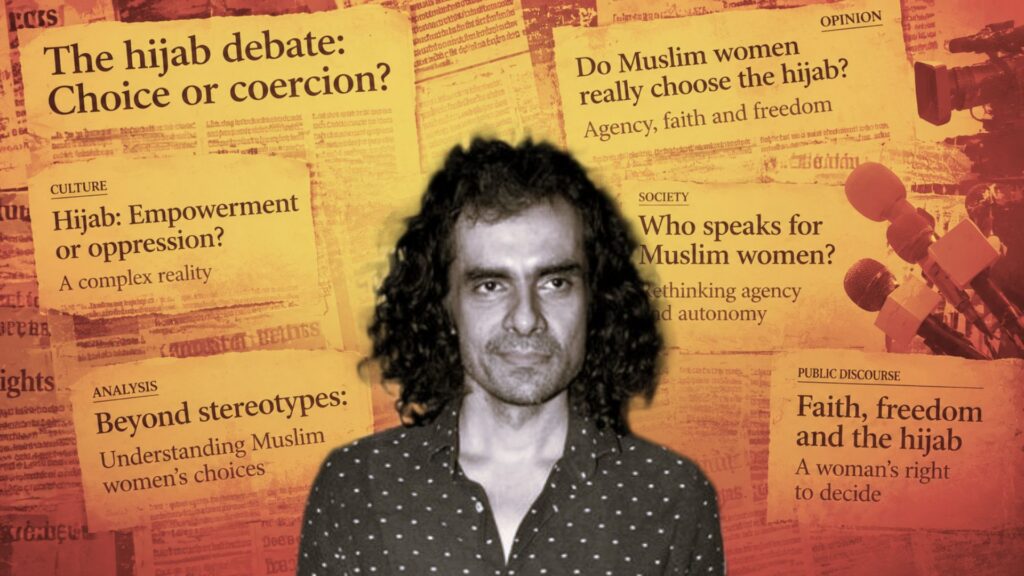
Can a woman truly be said to have freedom if her choices are only respected when they conform to someone else’s idea of liberation? The debate over the burqa reveals less about Muslim women and more about who is allowed the dignity of agency.
In the early 7th century, when academic traditions had largely faded across much of the known world, the seeds of a new intellectual revolution were sown in Arabia. What followed was a Golden Age that laid the foundations for modern science and civilisation.
What began in childhood grew into a lifelong relationship with Khilafat—one shaped by prayers, guidance, and memories treasured across generations.
In moments when words feel inadequate and answers seem distant, Khilafat offers something deeper: the reassurance of being heard, remembered, and held in prayer.
During a period of spiritual distance, a simple gift from the Khalifa became a symbol of purpose, trust, and a lifelong commitment to serving faith through words.
For a believer, Khilafat is a source of comfort and strength, offering peace through prayers, guidance, and the assurance of being remembered.
What began as a child’s attempt to offer salam became a lifelong reminder that divine love finds us long before we know we are lost.
When the world turned us away, the prayers of the Khalifa offered comfort, resilience, and the strength to persevere through every trial.
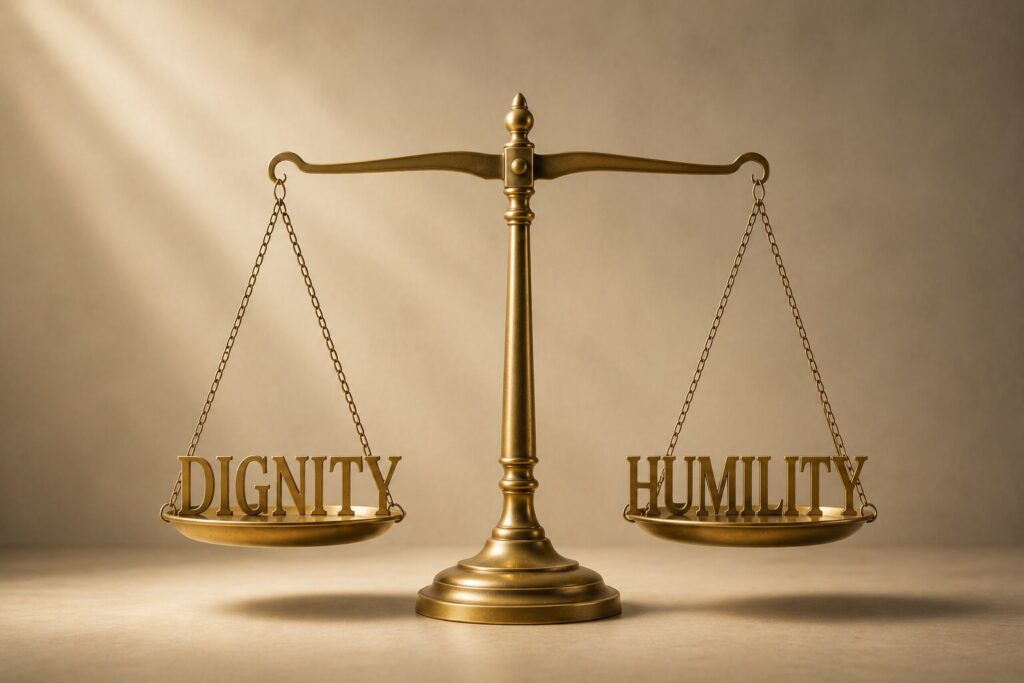
In a moment of uncertainty, the Khalifa’s prayers and trust offered a powerful lesson in freedom, faith, and the dignity of choice.
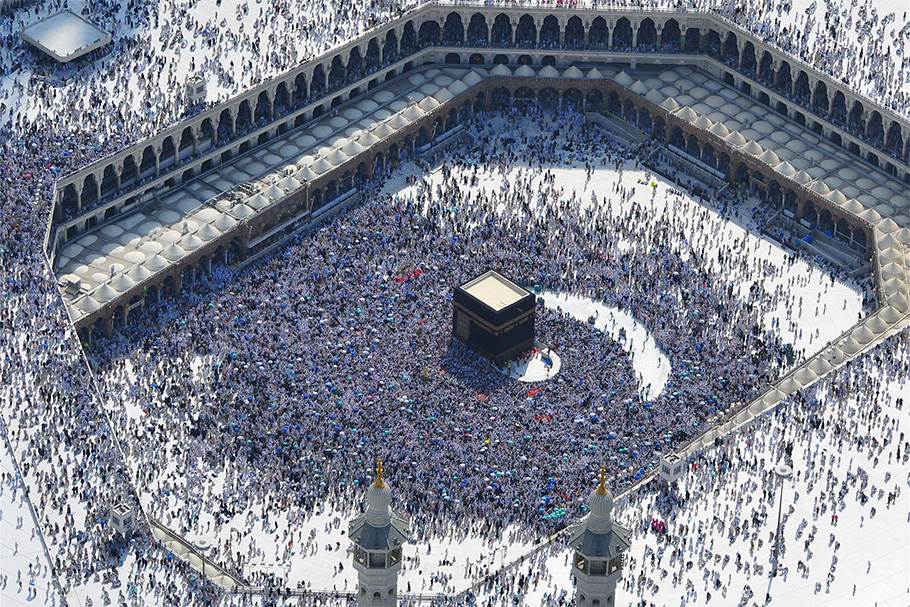
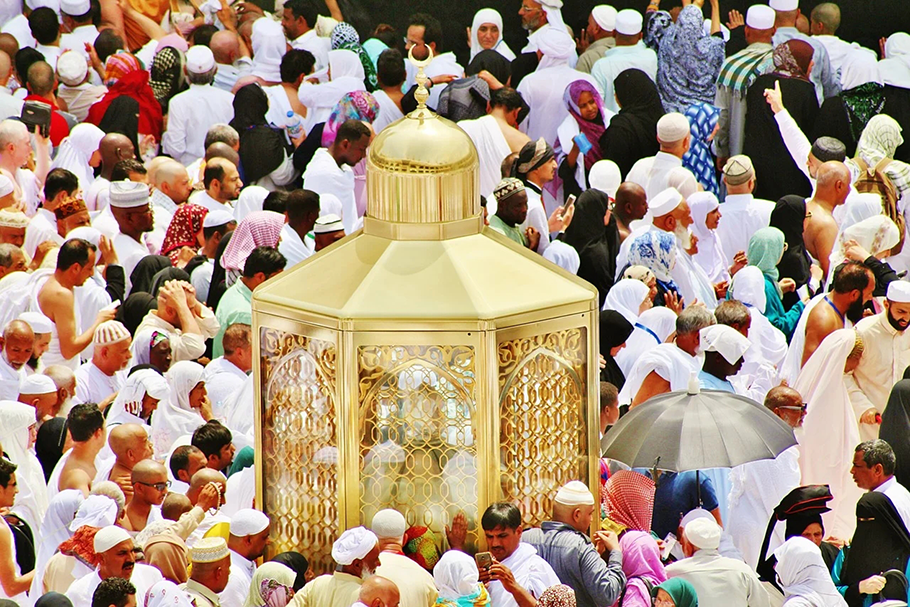
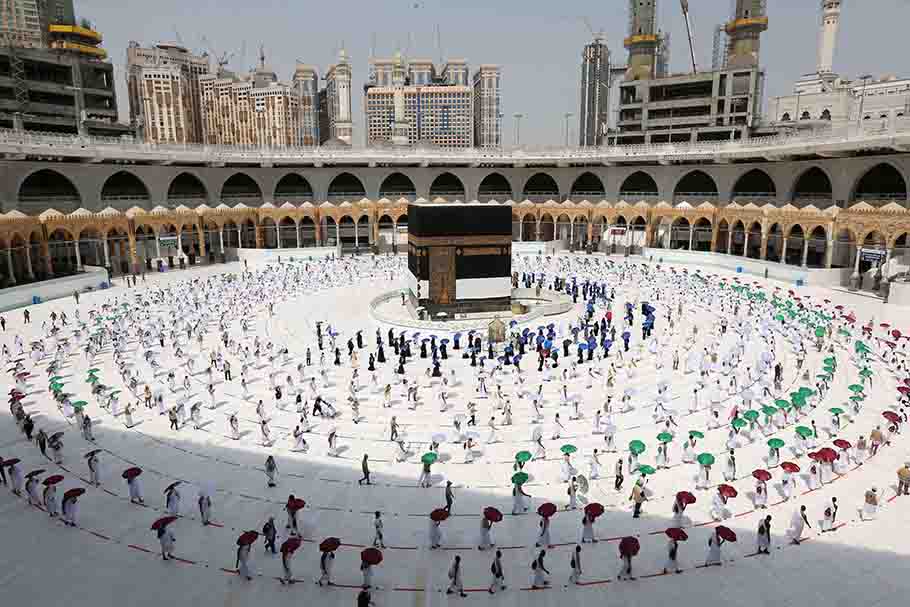
As homes became mosques, the pandemic has proved how Islamic teachings are applicable in changing circumstances. The downscaling of this year's Hajj pilgrimage further establishes this truth.
Addiction among children and youth is a grave issue of the time. Not only does addiction divert humans from spiritual activities, it also affects the functioning of a person in all aspects of life.
Suicide is a social and psychological phenomenon that is present in every culture. Every year, around 800,000 people take their own life. However, suicide is preventable with correct and timely approach.
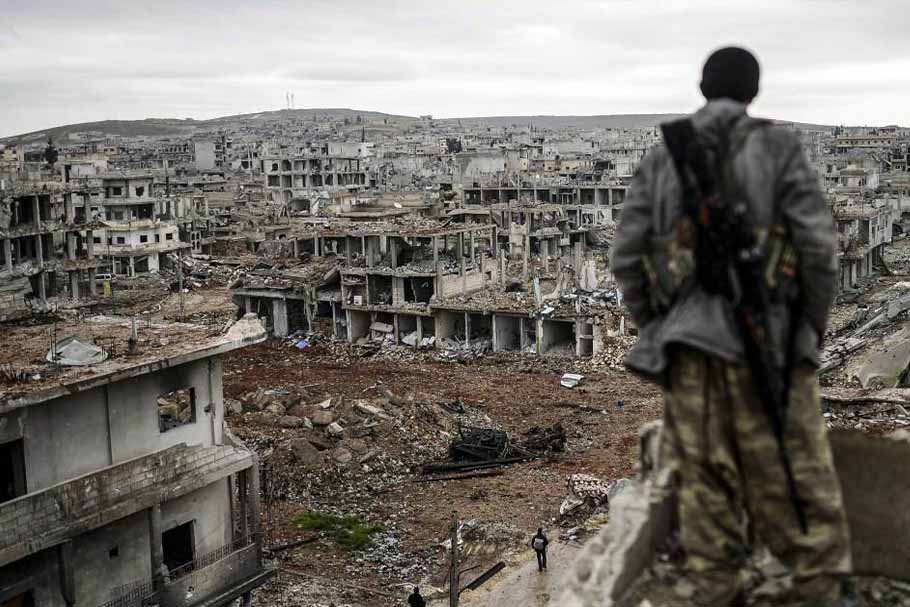
Nations have always devised strategies to wage wars in the disguise of stopping injustice. But the world has witnessed many a time how truthful their intentions were and how fruitful such wars proved to be.
Repentance is not a license to sin; it is the key to righteousness. True repentance is that which encourages man to refrain from evil deeds and engage in virtuous acts.
Coping with anxiety can be a challenge especially when we are living in anxiety-inducing times; however, understanding the triggers and taking proper measures can calm your anxiety from taking over.
While modern society rage over Muslim women wearing the hijab, they purposefully turn a blind eye to the vast sexualisation of women in the media and fashion industry.
Biological characteristics do not grant a person any superiority over others. The real merit is the merit of righteousness.
Climate change is a natural process which occurs, but man’s actions have worked as a fan, speeding up the process.
Depression has been called the world’s number one public mental health problem. It is an illness that mostly results from thoughts that are distorted in some way. Fortunately, you don't have to live with depression; you can always show it a way out.