ARTICLES
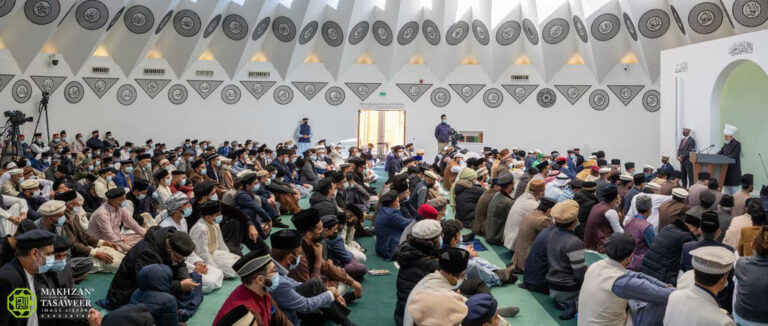
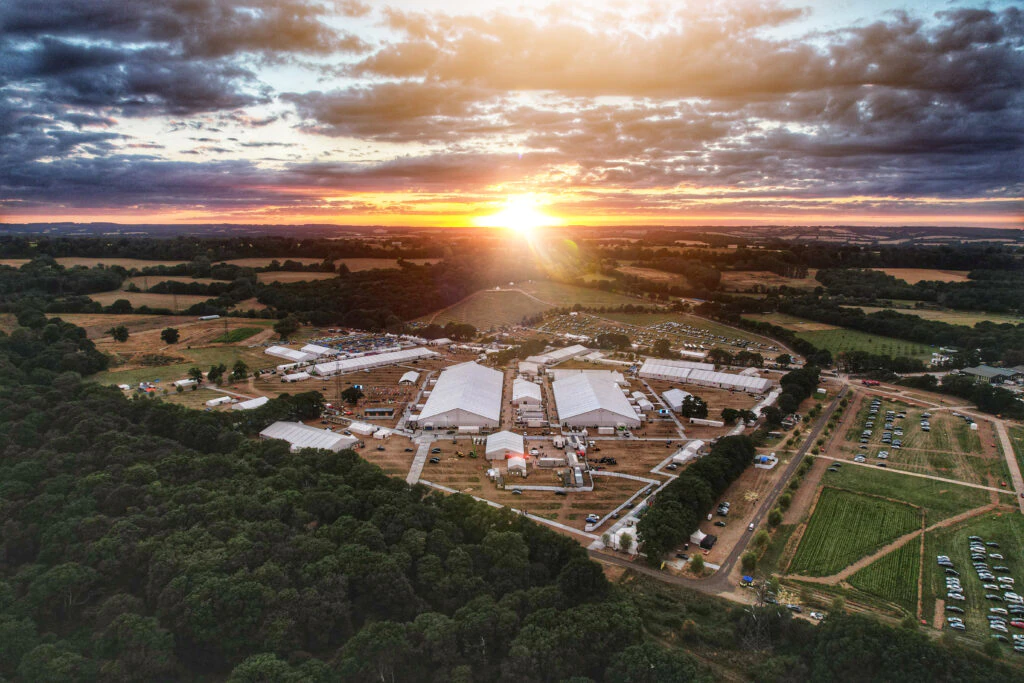
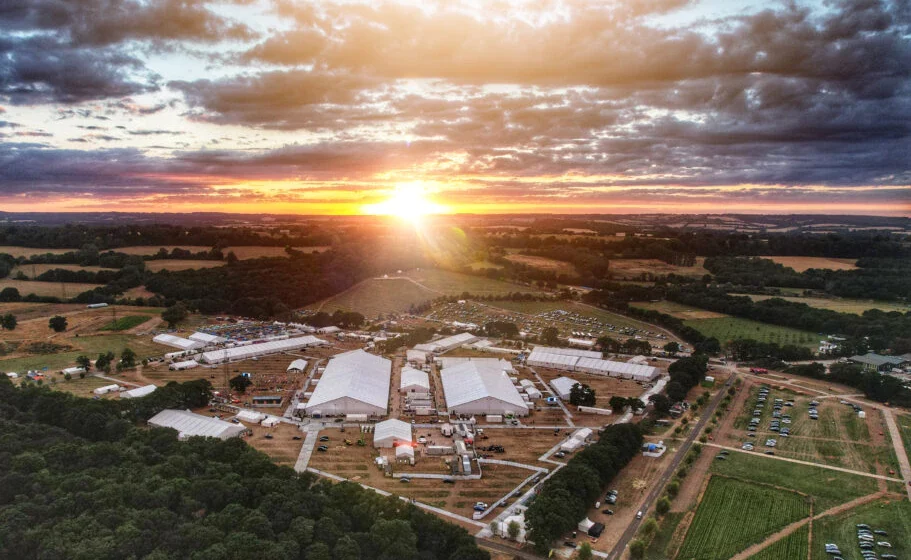
As Britain prepares to host its largest Muslim convention, the transformation of this humble gathering from its modest origins to a global event stands as a Divine sign. Yet another aspect of its history offers an even more emphatic testimony to the existence of God.
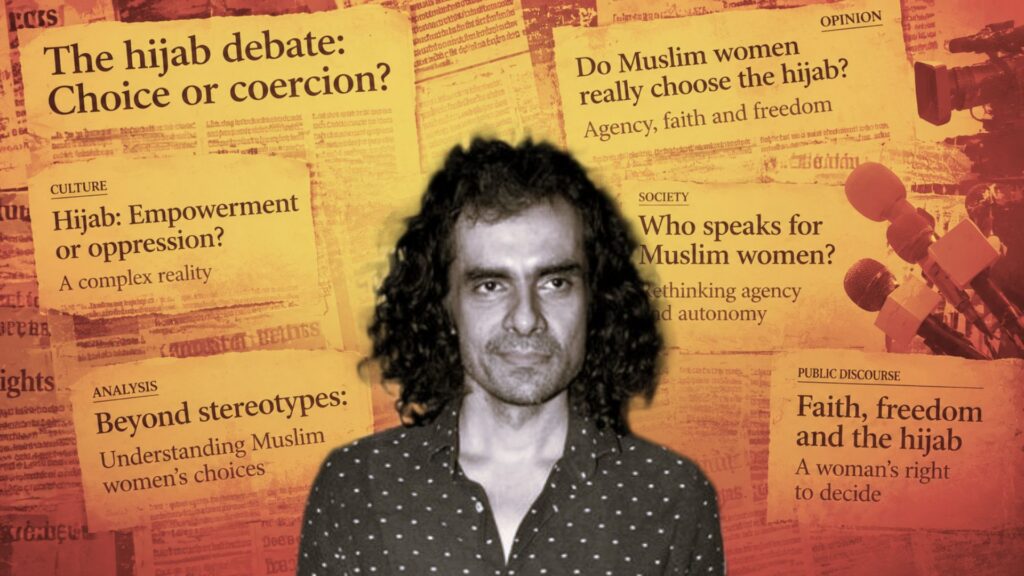
Can a woman truly be said to have freedom if her choices are only respected when they conform to someone else’s idea of liberation? The debate over the burqa reveals less about Muslim women and more about who is allowed the dignity of agency.
In the early 7th century, when academic traditions had largely faded across much of the known world, the seeds of a new intellectual revolution were sown in Arabia. What followed was a Golden Age that laid the foundations for modern science and civilisation.
What began in childhood grew into a lifelong relationship with Khilafat—one shaped by prayers, guidance, and memories treasured across generations.
In moments when words feel inadequate and answers seem distant, Khilafat offers something deeper: the reassurance of being heard, remembered, and held in prayer.
During a period of spiritual distance, a simple gift from the Khalifa became a symbol of purpose, trust, and a lifelong commitment to serving faith through words.
For a believer, Khilafat is a source of comfort and strength, offering peace through prayers, guidance, and the assurance of being remembered.
What began as a child’s attempt to offer salam became a lifelong reminder that divine love finds us long before we know we are lost.
When the world turned us away, the prayers of the Khalifa offered comfort, resilience, and the strength to persevere through every trial.
In a moment of uncertainty, the Khalifa’s prayers and trust offered a powerful lesson in freedom, faith, and the dignity of choice.
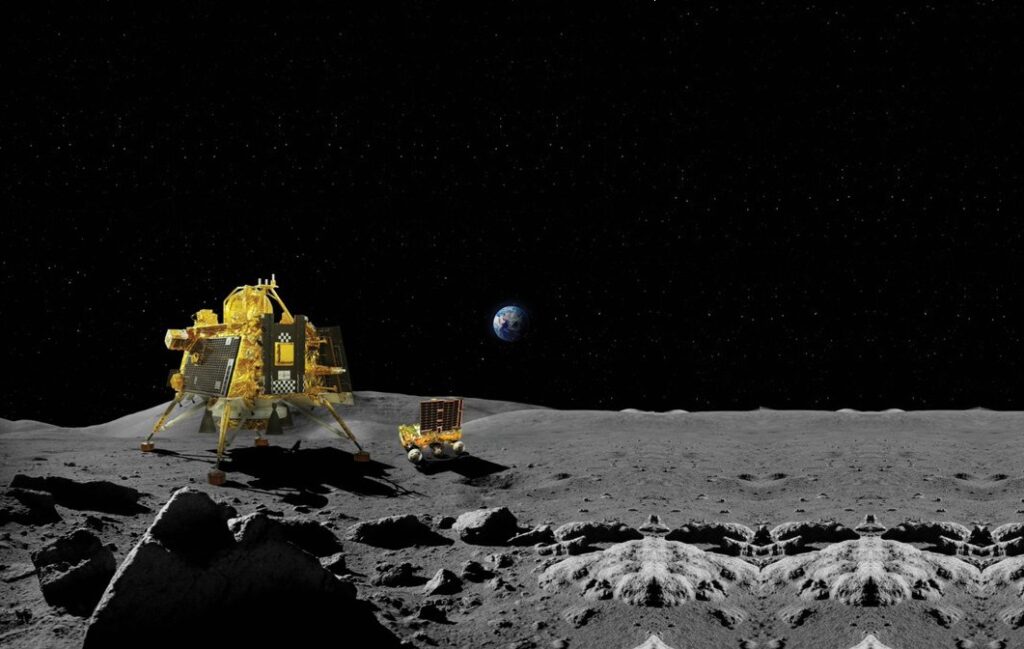
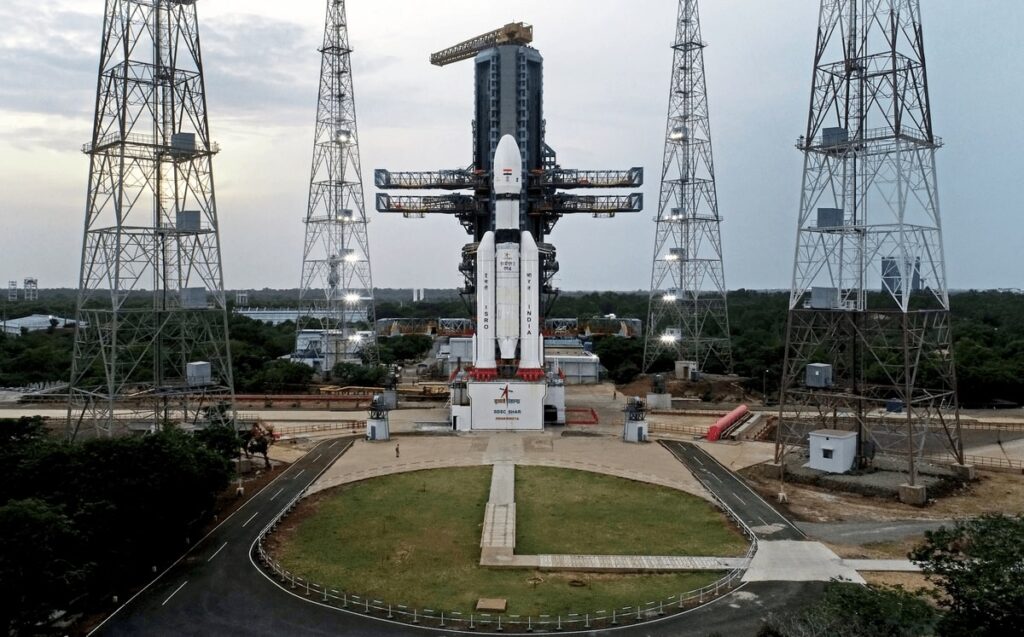
ISRO is preparing for the launch of Chandrayaan 3. With the primary objective of achieving a successful landing and rover deployment, the mission aims to explore the lunar surface through essential scientific studies for future purposes.
As a Khalifa is God’s vicegerent on Earth, his person becomes the reflection of Divine attributes, and his actions serve as the true demonstration of Islamic teachings.
The Ijtema was a testament to the power of unity, prayers, and the continuous pursuit of knowledge. It served as a beacon of light in my spiritual journey.
Ramadan is a month of eternal blessings. Our journey towards spiritual excellence does not end, rather begins with the end of Ramadan.
The Holy Quran acknowledges the role of clay in the creation of life but dismisses the notion that God played with mud and water to mould the mixture into the shape of man.
A Hindu brother’s reflections on the book World Crisis and the Pathway to Peace by Hazrat Mirza Masroor Ahmad, the World Head of the Ahmadiyya Muslim Community.
“Our success is not possible without our parents’ happiness” –Regragui’s words sound all the more relevant in today’s age, where filial responsibility is losing significance.
The Holy Quran is a timeless book, no portion of which is subject to abrogation. It is a scripture designed to be relevant in all times and for all cultures.
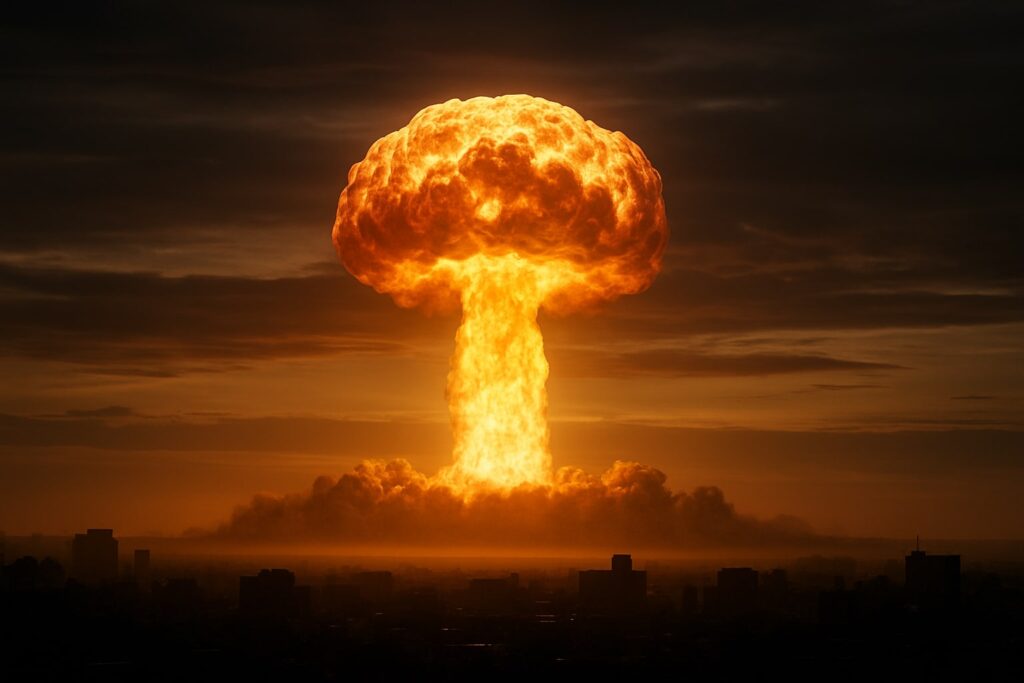
For almost two decades, the Ahmadiyya Caliph has been warning the world of an impending global catastrophe. Now it seems that doom is looming ahead.
World Head of the Ahmadiyya Muslim Community gives insight on how we should respond to the current situation of Muslims in India and explains the role Ahmadis are playing to improve the situation.