Remaining steadfast in one’s faith requires confidence in one’s beliefs and the courage to uphold Islamic values without being influenced by the practices or opinions of others.
The Quran provides a precise description of Noah’s story with key topographical details that dismantle the global flood myth, proving instead the scientific plausibility of a regional deluge.
Our immune system works constantly to protect us, and our everyday choices can influence how well it functions. Discover simple ways to support immunity through balanced nutrition and healthy lifestyle habits.
With Islam dawned a new era of learning that transformed the pursuit of knowledge from the privilege of a few into the prerogative of all. Specifically, Islam fulfilled three prerequisites that earlier civilisations had lacked, allowing knowledge to truly globalise.
From memories to milestones, more of life is becoming public content. In a world obsessed with visibility, have we forgotten the art of living for ourselves?
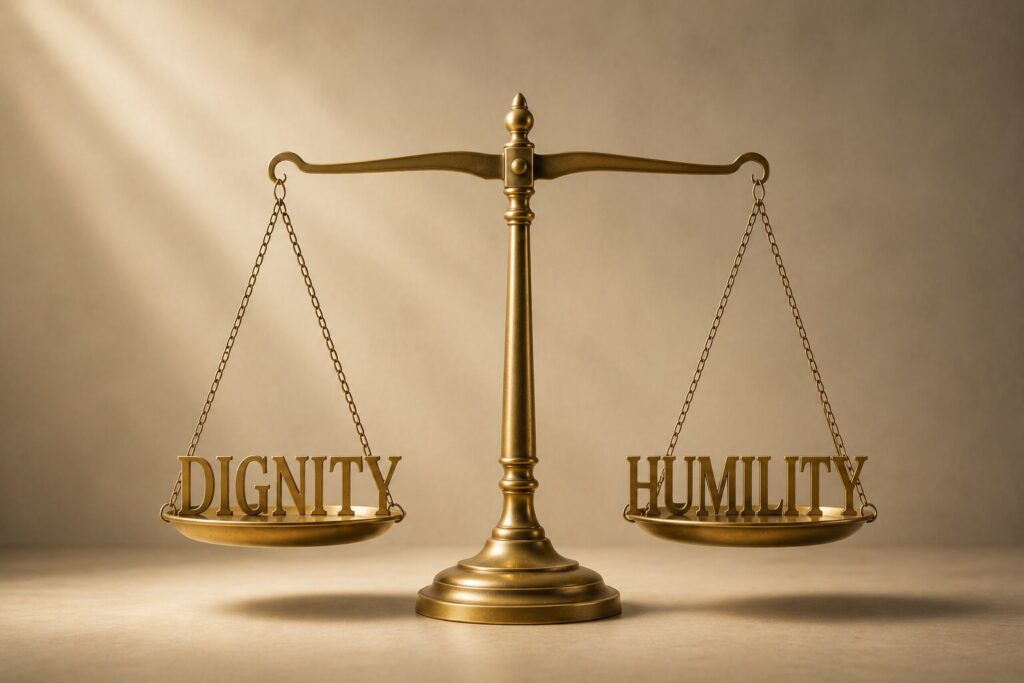
In distinguishing between pride and dignity, how can one remain humble while maintaining one’s sense of self-worth and treating others with kindness and respect?
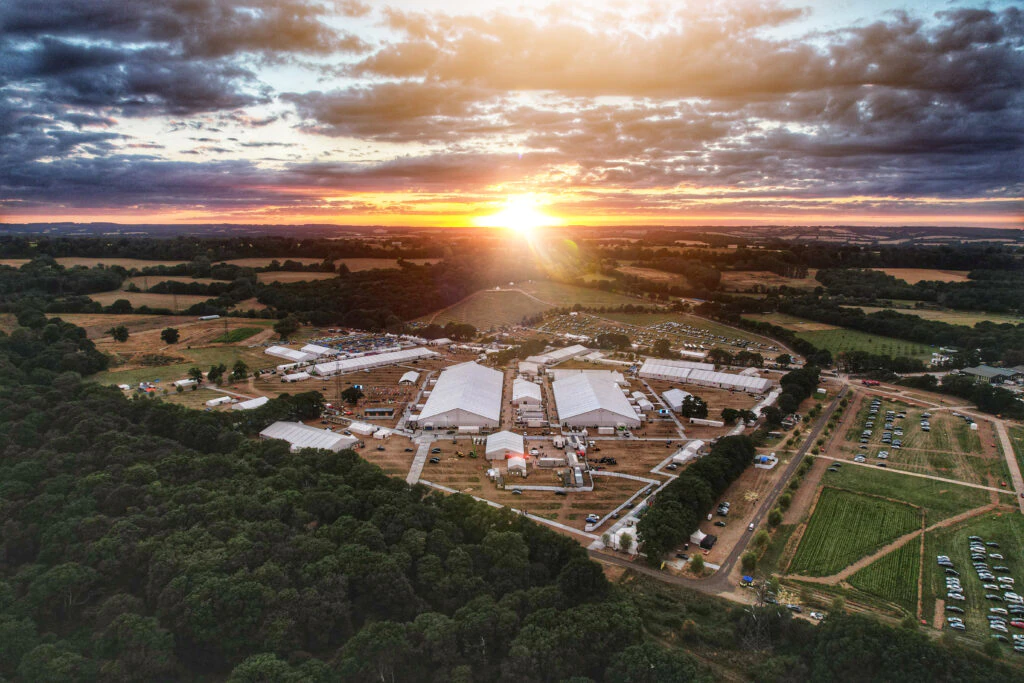
As Britain prepares to host its largest Muslim convention, the transformation of this humble gathering from its modest origins to a global event stands as a Divine sign. Yet another aspect of its history offers an even more emphatic testimony to the existence of God.
Can a woman truly be said to have freedom if her choices are only respected when they conform to someone else’s idea of liberation? The debate over the burqa reveals less about Muslim women and more about who is allowed the dignity of agency.
In the early 7th century, when academic traditions had largely faded across much of the known world, the seeds of a new intellectual revolution were sown in Arabia. What followed was a Golden Age that laid the foundations for modern science and civilisation.
What began in childhood grew into a lifelong relationship with Khilafat—one shaped by prayers, guidance, and memories treasured across generations.
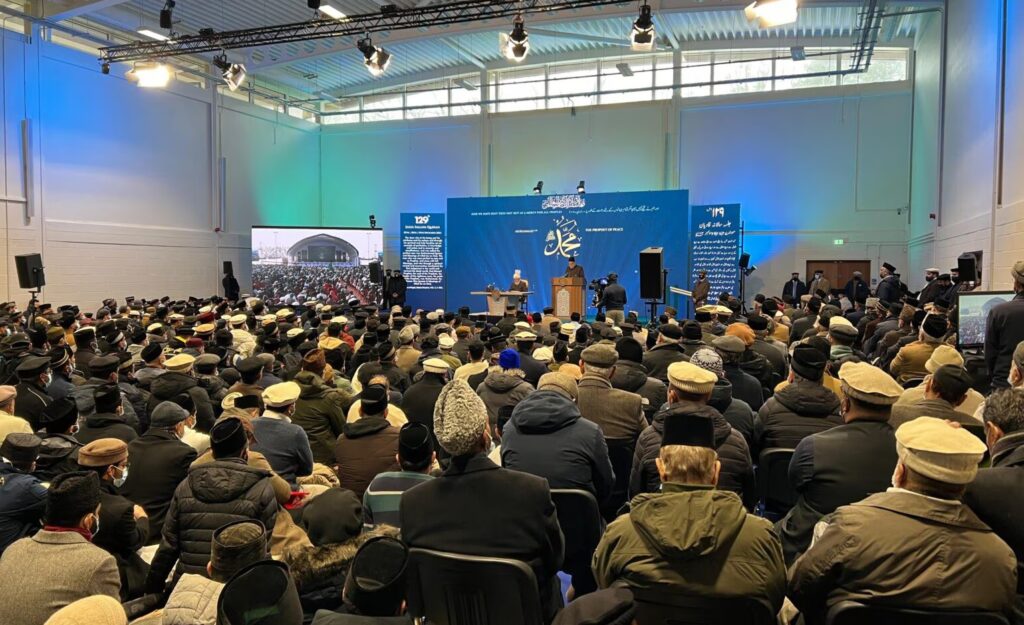
Ahmadiyya Khalifa addresses the annual convention of the Community in India and outlines the love the Promised Messiah(as) had for Prophet Muhammad(sa).
It is generally understood that Iblis and Satan are identical. However, the Holy Quran maintains a distinction between these terms, revealing that they are not one and the same.
Ahmadiyya Khalifa explains how to make rational use of Artificial Intelligence, and if it is appropriate to entirely rely upon it.
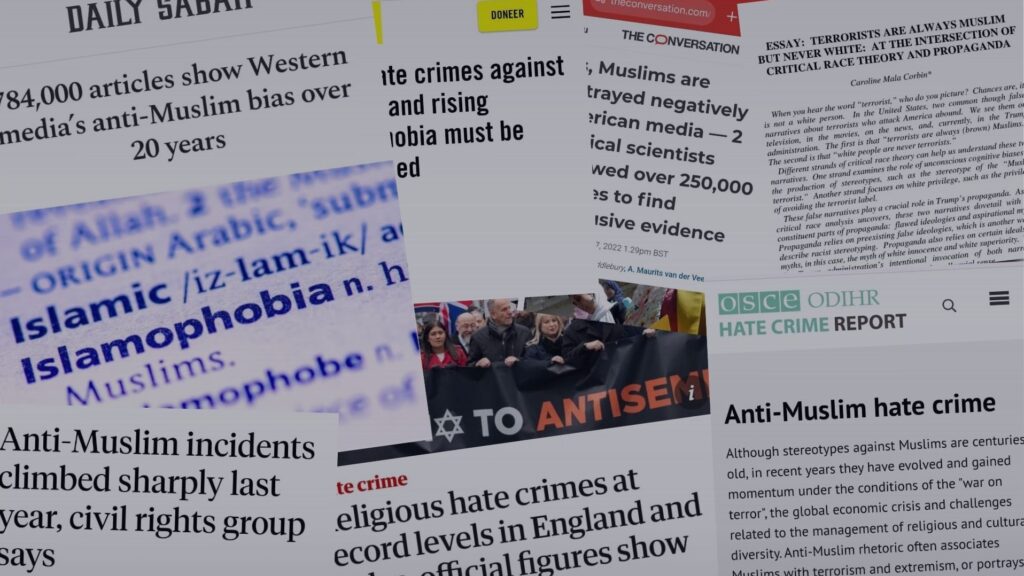
Singling out religion—or worse—one particular religion as the sole driver of terrorism is only the result of prejudicial exaggeration of data and unfair distortion of facts.
The Ahmadiyya Khalifa urges Ahmadi Muslims to engage in prayers and preparedness amid escalating global tensions.
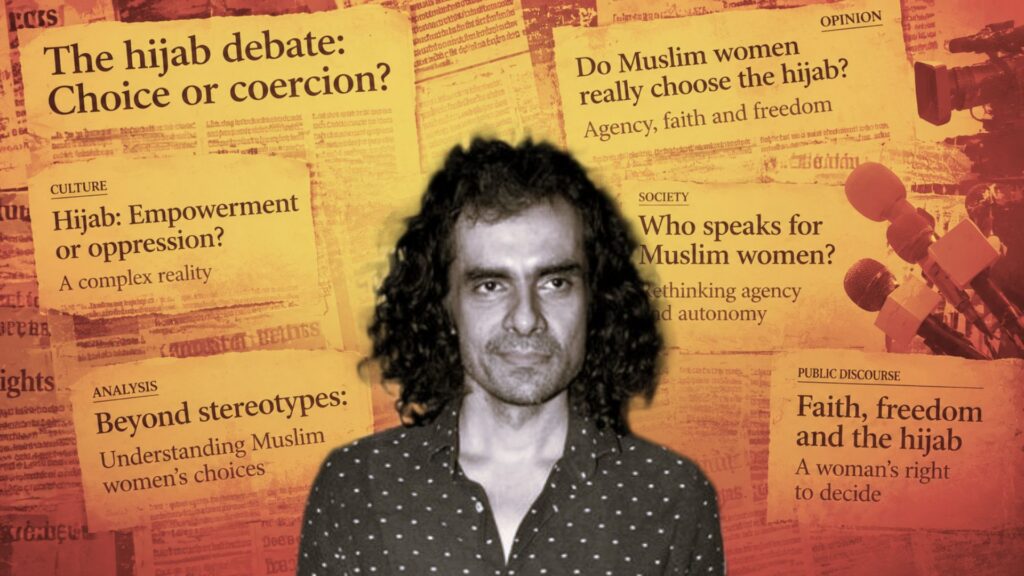
Opinions often surface branding the hijab as a symbol of oppression. Here, we respond to a recent Newslaundry article, challenging the narrative that Muslim women require ‘liberation’ from their choice to wear the veil.
If God is an epitome of love, why should we fear Him? The Ahmadiyya Khalifa explains the Islamic concept of righteousness, highlighting how true love inspires a fear of displeasing the beloved.
Islamic teachings provide essential principles for living in a society, addressing the political, social, economic, cultural, and religious aspects of human life.
Postpartum depression is a common yet often overlooked challenge that many new mothers face. Understanding its impact and finding effective coping strategies are essential for both maternal well-being and healthy parenting.
Ahmadiyya Khalifa explains the Islamic concept of religious evolution which occurred in parallel with the cognitive and social development of man.