ARTICLES
Why would a good God allow suffering? If He is all-powerful and all-merciful, why does He not rid the world of misery? Isn’t a truly painless world the paradise we long for—or would such a reality, paradoxically, be nightmarish?
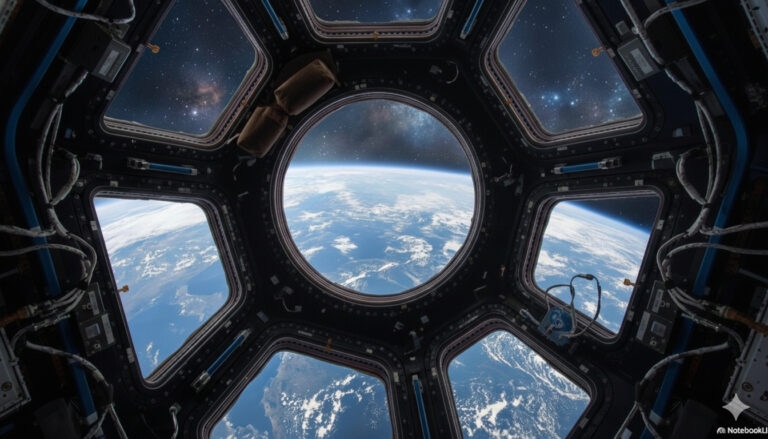
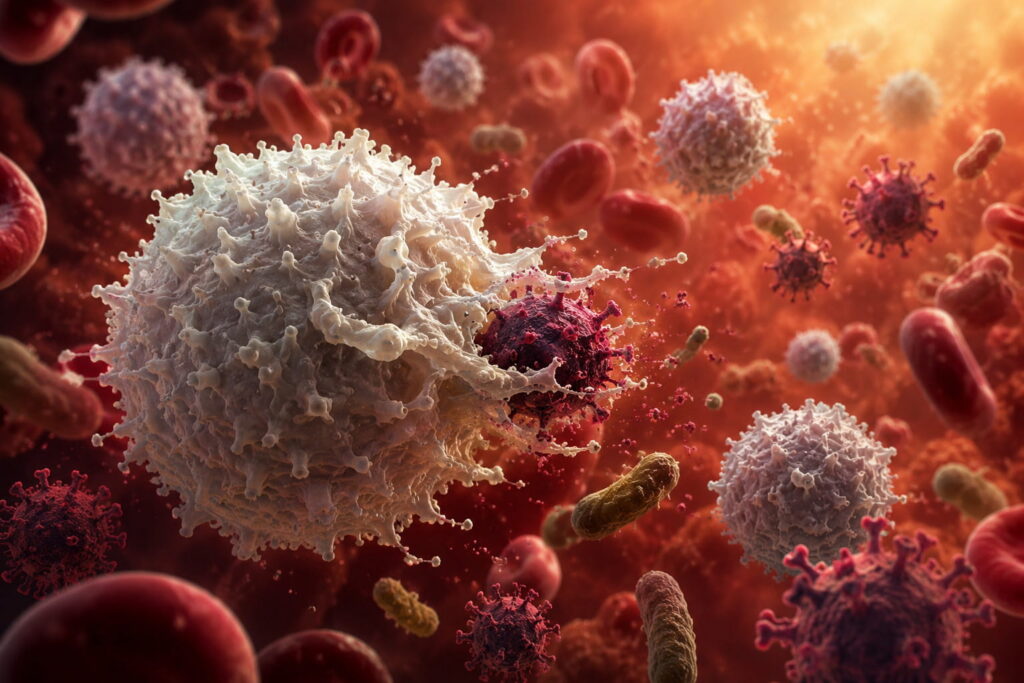
It is commonly argued that science and faith cannot coexist. However, some of the greatest scientific minds—those who have viewed the world from a vantage point experienced by only a handful in human history—beg to differ.
As enthusiasm fades and routines falter, consistency becomes the key to staying aligned with your goals and turning intention into lasting progress.
Those who accept beliefs without investigation follow error and hearsay, whereas true believers base their faith on proof, reasoning and certain knowledge.
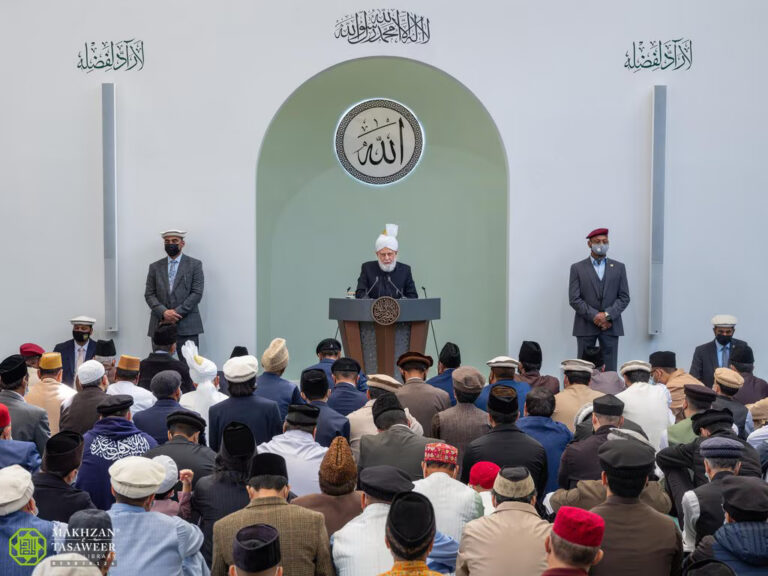
As the new year begins, the Ahmadiyya Caliph appeals for prayers for the progress of the Community, the release of imprisoned Ahmadis, the deliverance of oppressed people worldwide, and the establishment of peace across the globe.
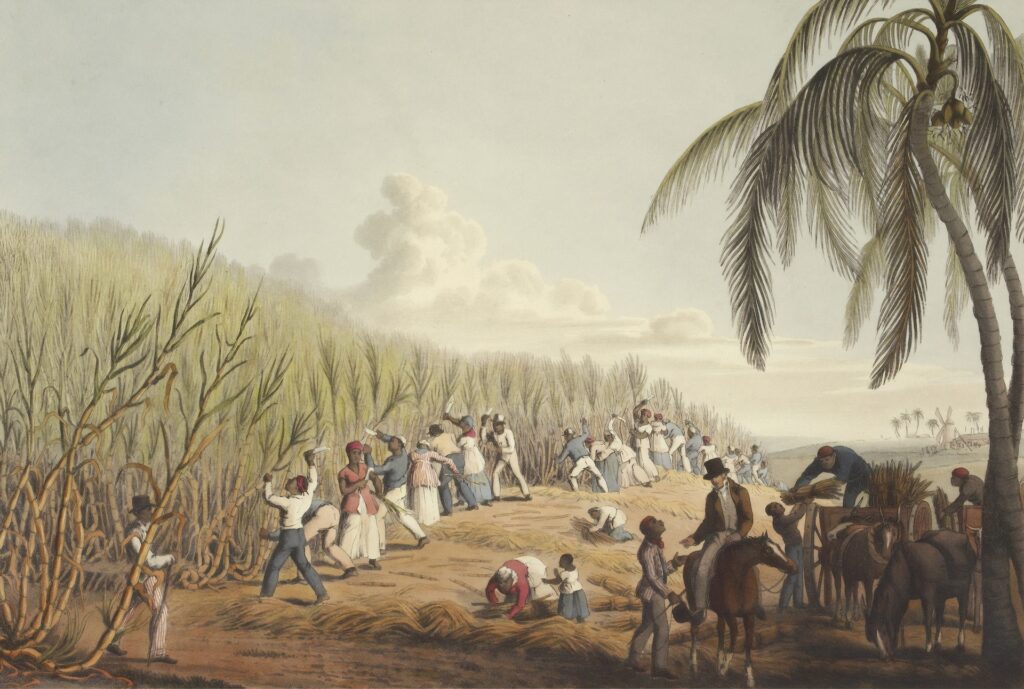
Across history, there have been many attempts to end slavery. Yet, all too often, emancipation came at the cost of human lives or remained confined to paper, thus falling short of securing true human dignity.
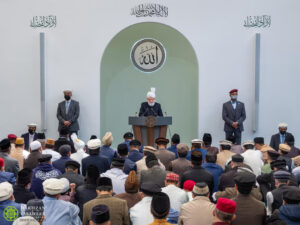
The Ahmadiyya Khalifa addresses the Annual Convention in Qadian, outlining the need to practically fulfil the conditions of the pledge of allegiance to the Promised Messiah(as).
Does the Quran truly foretell universal truths? Or does it merely echo scientific discoveries? Recent advances in cosmology show that the Quran accurately predicts many phenomena that are centuries ahead of its time.
From keys to phones to wealth and fame, human beings always tend to search for things in the wrong places—peace being no exception. Often, one simply forgets that true contentment can come only from the One who created it.
In a world where modern efforts often fail to resolve conflicts, the Treaty of Hudaybiya, concluded fourteen centuries ago, offers timeless lessons in diplomacy, patience, and principled leadership.
Islam envisions the world in the form of a pluralistic ecosystem. Hence, enacting shariah law becomes impossible even in countries with Muslim majorities, let alone the multireligious nations and societies.
In around 770 AD, an embassy from India, including an astronomer, visited the then Abbasid Caliph Al-Mansur in Baghdad. The meeting was to open up an avenue for a fruitful interaction between India and the Arab world.
Remembering Karbala holds special significance for Muslims. But, is recreating the physical torture Imam Hussain (ra) and his followers went through the true way of commemoration?
A drive through rush hour traffic, a bad day at the office or reading irate tweets on social media can all induce our anger. As the incontinent expression of rage can have damaging outcomes, we ought to control our anger in such situations.
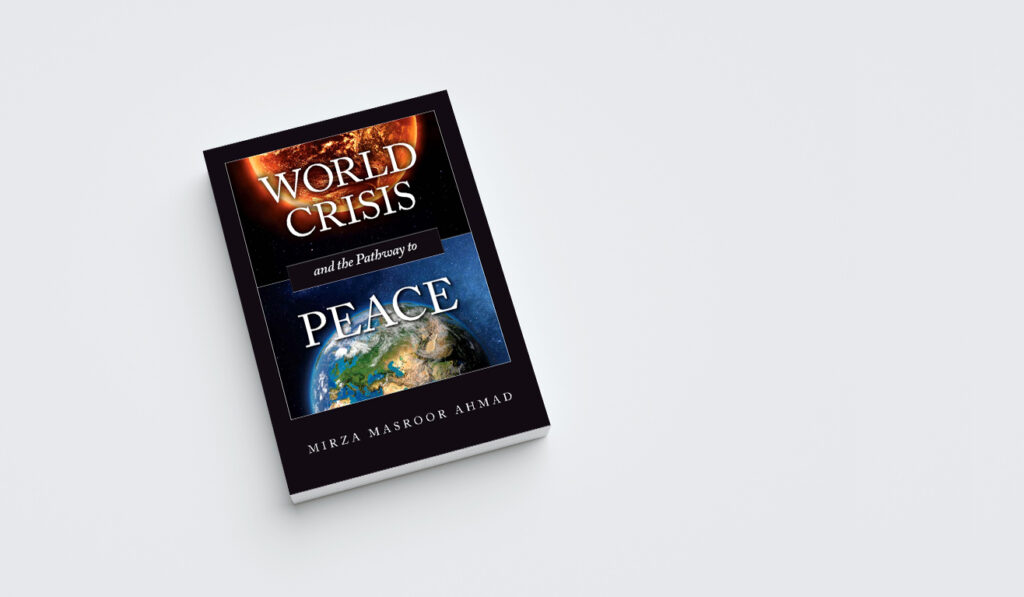
Conflict being an inevitable characteristic of human society, a course to peace can only be charted when man imbibes the noblest of moral virtues.
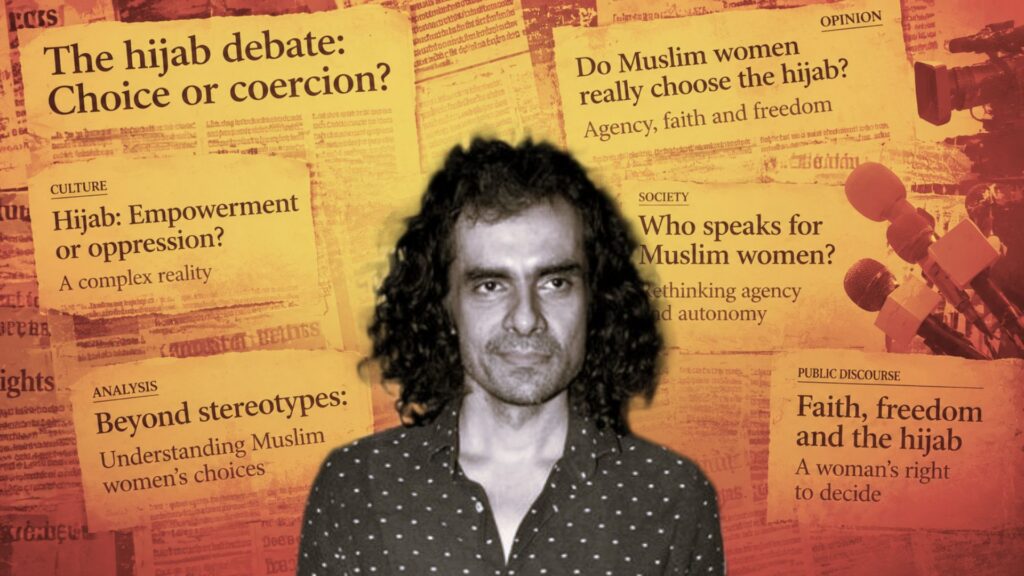
There is a growing trend of portraying Muslim women practising hijab as ‘oppressed’ while their voices that claim otherwise are purposefully undermined.
No matter how challenging the circumstances and how severe the hardships are, those who are determined to strive for the cause of God never retreat.
Ahmadiyya Caliph explains how water stress is driving terrorism and draws the attention of world leaders towards curbing the issue.
An account of the noble character of the Holy Prophet(sa) of Islam through opinions and views of revered personalities of India.
The Holy Prophet (sa) said, “If people knew about the excellences of Ramadan, then my Ummah would have wished the entire year to be Ramadan”.