ARTICLES
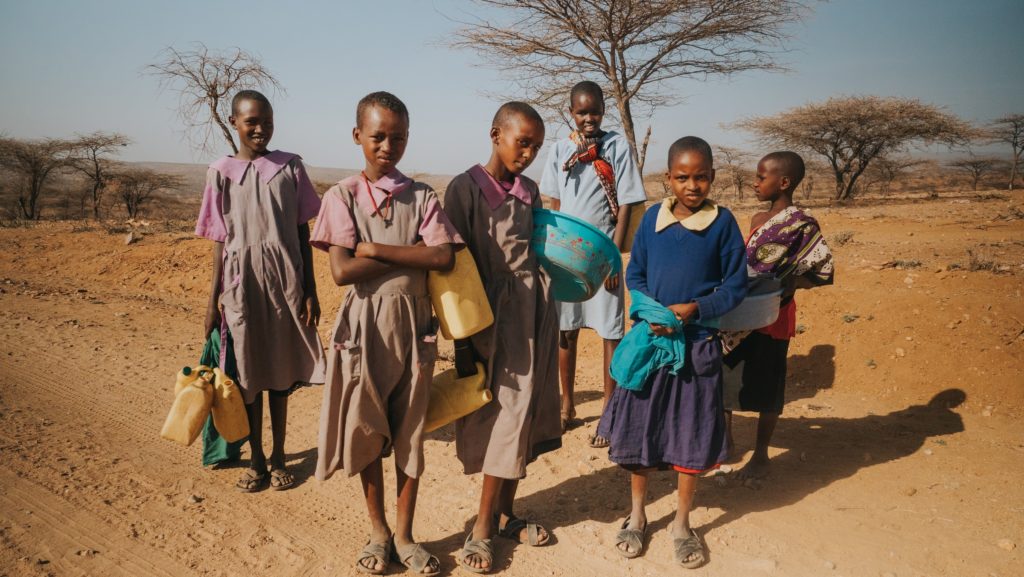
Ahmadiyya Caliph explains how water stress is driving terrorism and draws the attention of world leaders towards curbing the issue.
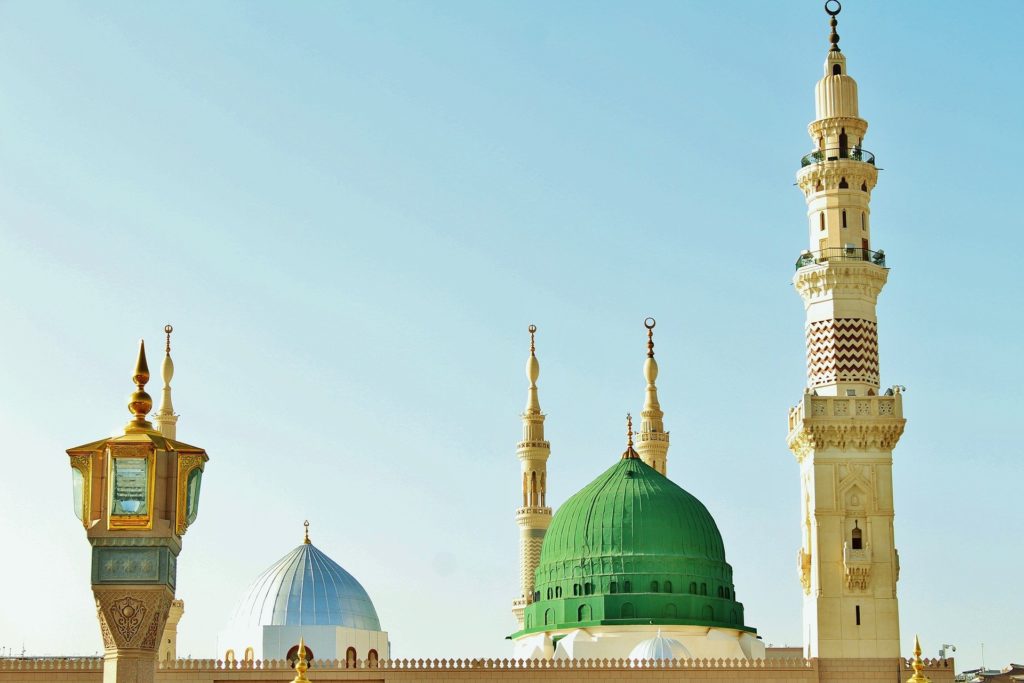
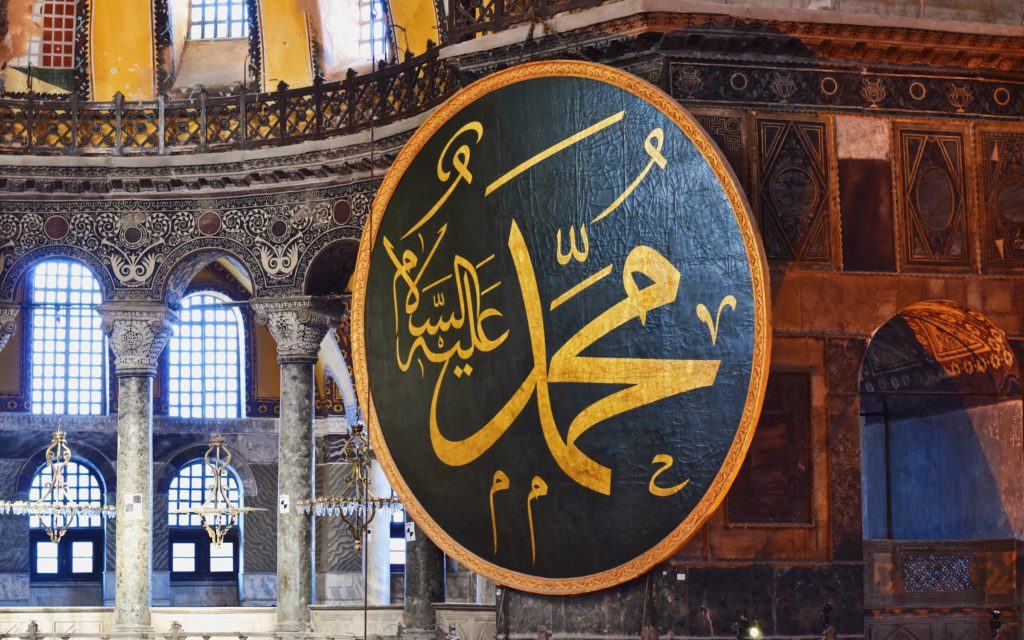
An account of the noble character of the Holy Prophet(sa) of Islam through opinions and views of revered personalities of India.
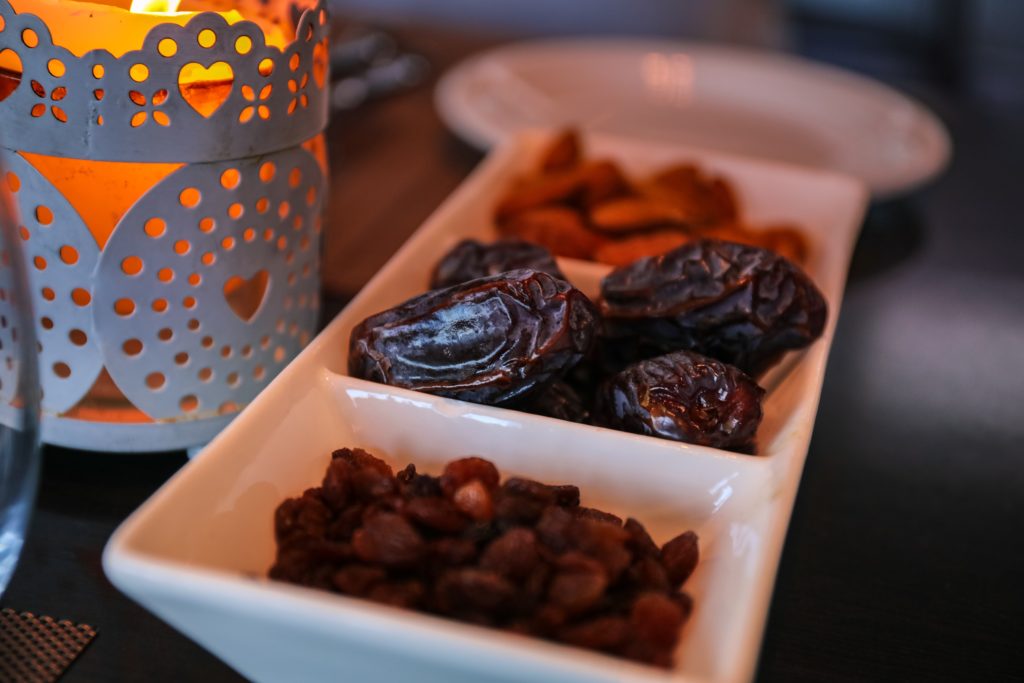
The Holy Prophet (sa) said, “If people knew about the excellences of Ramadan, then my Ummah would have wished the entire year to be Ramadan”.
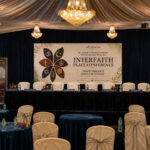
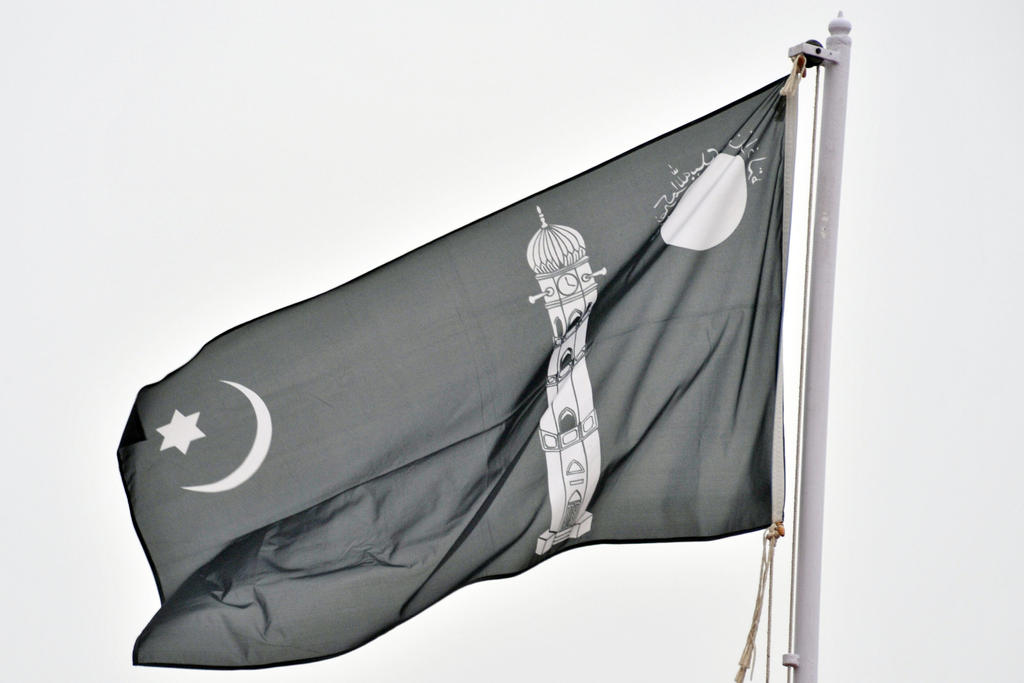
The 132 years long history of the Ahmadiyya Muslim Community testifies to the fact that this community has been working to establish peace and unanimity between people of all faiths.
Freedom of expression has its limits. Those limits begin where hatred is spread. They begin where the dignity of other people is violated.
The cases of divorce are increasing owing to the prevalence of domestic issues. The Ahmadiyya Caliph lays down guiding principles to curb the problem.
Though various steps have been taken to curb down domestic abuse, the root causes behind the problem remain largely unaddressed.
Loyalty to nation is an integral part of faith in Islam. But opponents try to call this fact into question by misrepresenting one of the prophecies of the Holy Prophet(sa).
Is pursuing worldly provisions the sole purpose of our lives, or is there any greater meaning to our existence?
Critics often employ contextomy to misrepresent the views of the Promised Messiah(as). Here we refute a false allegation of misogyny raised against him.
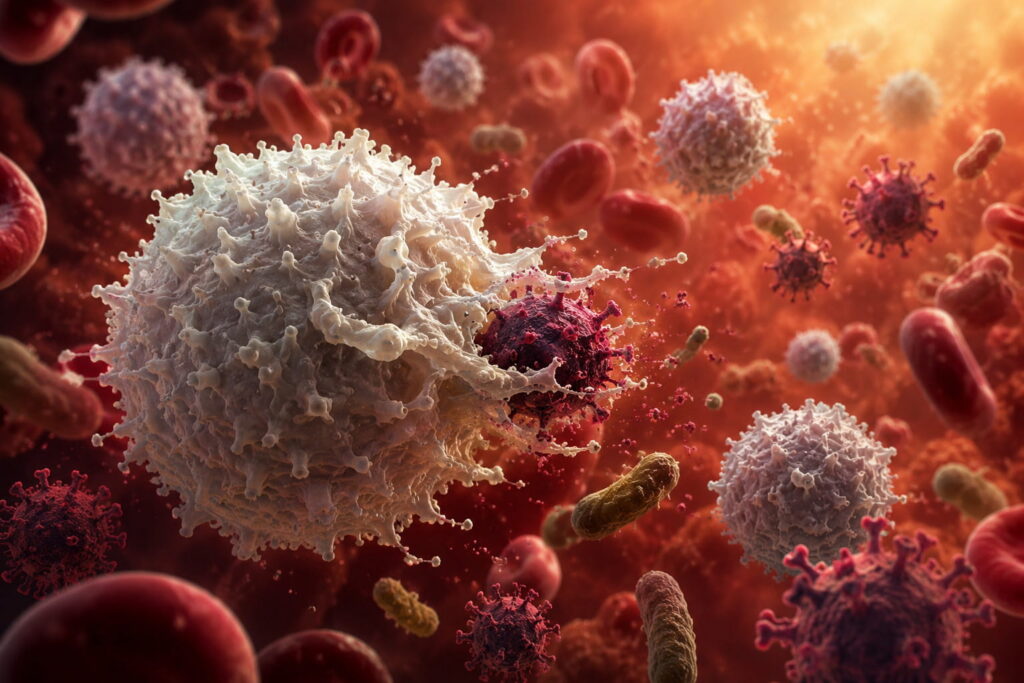
Our immune system works constantly to protect us, and our everyday choices can influence how well it functions. Discover simple ways to support immunity through balanced nutrition and healthy lifestyle habits.
With Islam dawned a new era of learning that transformed the pursuit of knowledge from the privilege of a few into the prerogative of all. Specifically, Islam fulfilled three prerequisites that earlier civilisations had lacked, allowing knowledge to truly globalise.
From memories to milestones, more of life is becoming public content. In a world obsessed with visibility, have we forgotten the art of living for ourselves?
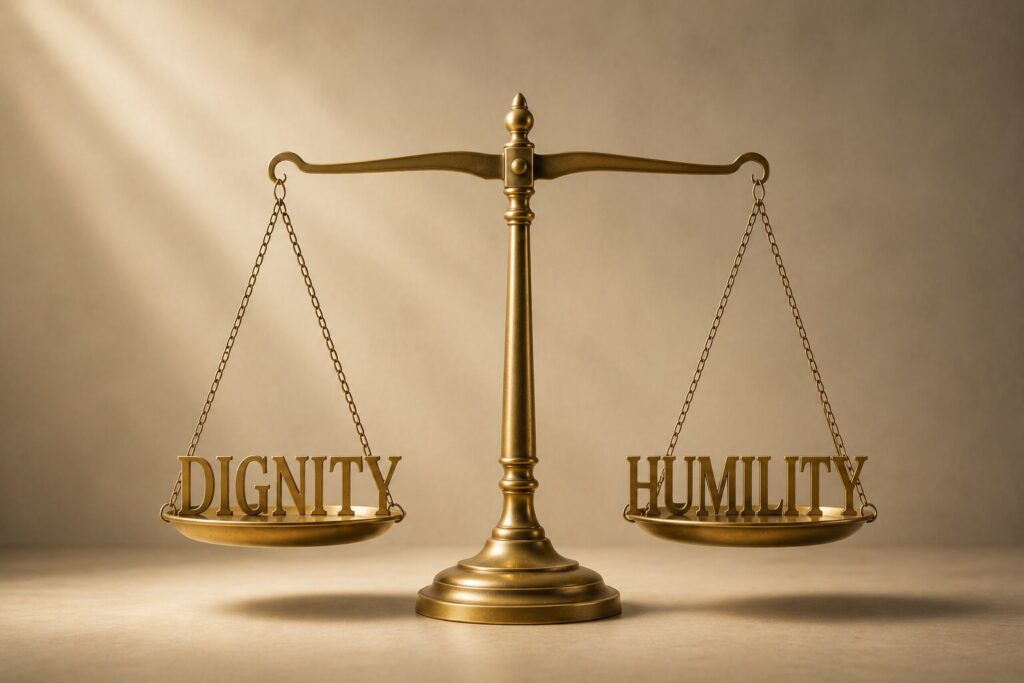
In distinguishing between pride and dignity, how can one remain humble while maintaining one’s sense of self-worth and treating others with kindness and respect?
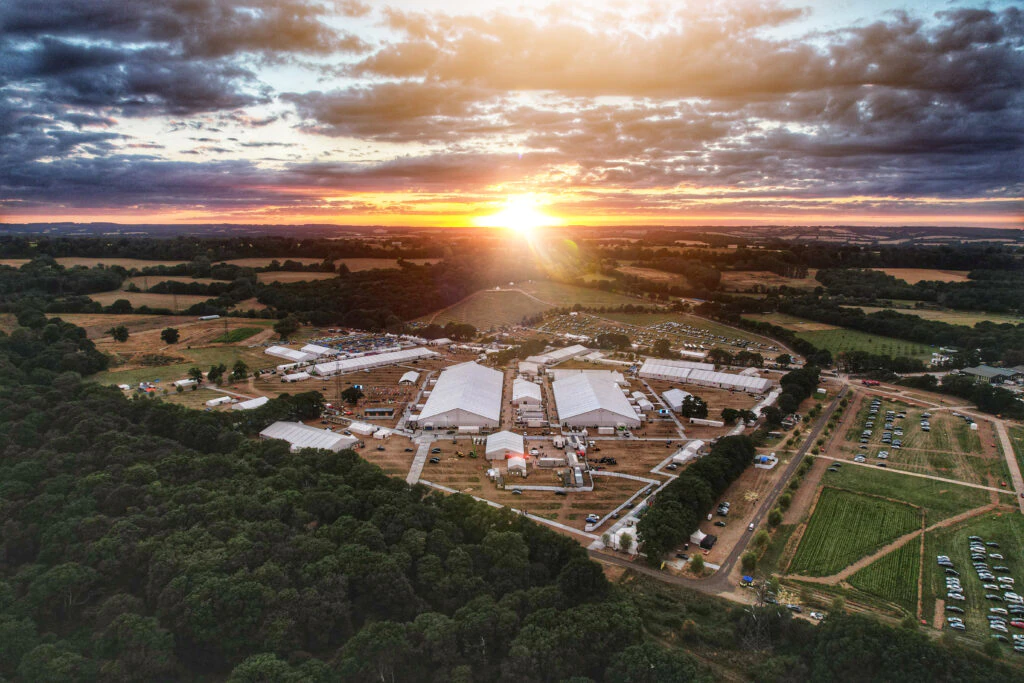
As Britain prepares to host its largest Muslim convention, the transformation of this humble gathering from its modest origins to a global event stands as a Divine sign. Yet another aspect of its history offers an even more emphatic testimony to the existence of God.
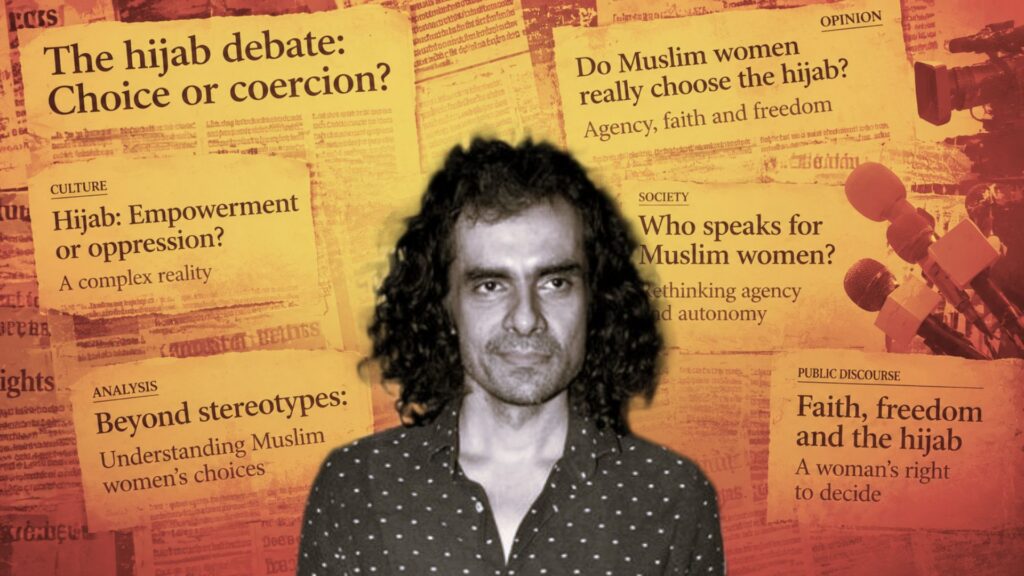
Can a woman truly be said to have freedom if her choices are only respected when they conform to someone else’s idea of liberation? The debate over the burqa reveals less about Muslim women and more about who is allowed the dignity of agency.
In the early 7th century, when academic traditions had largely faded across much of the known world, the seeds of a new intellectual revolution were sown in Arabia. What followed was a Golden Age that laid the foundations for modern science and civilisation.
What began in childhood grew into a lifelong relationship with Khilafat—one shaped by prayers, guidance, and memories treasured across generations.
In moments when words feel inadequate and answers seem distant, Khilafat offers something deeper: the reassurance of being heard, remembered, and held in prayer.
During a period of spiritual distance, a simple gift from the Khalifa became a symbol of purpose, trust, and a lifelong commitment to serving faith through words.