ARTICLES

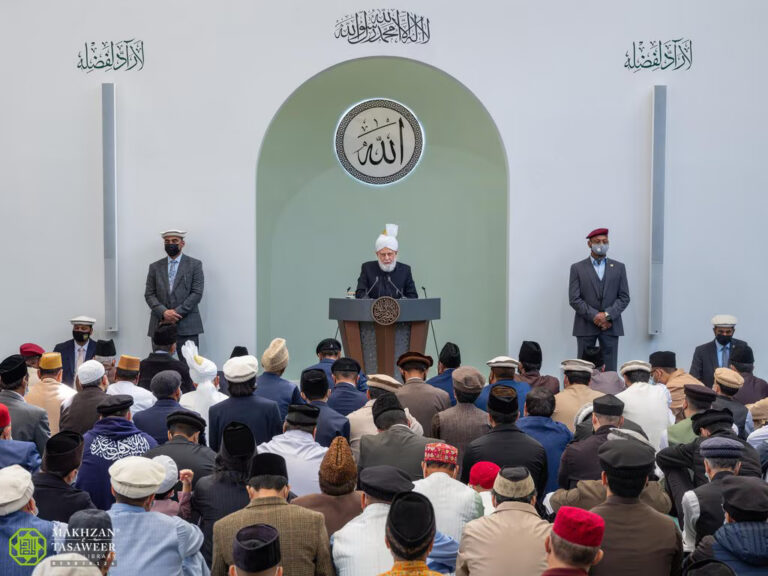
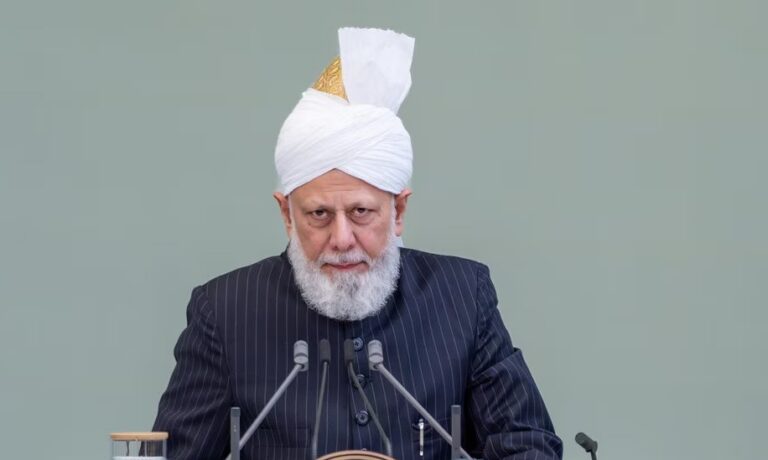
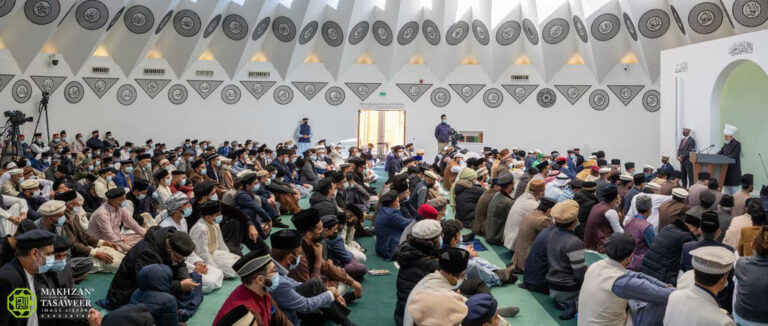
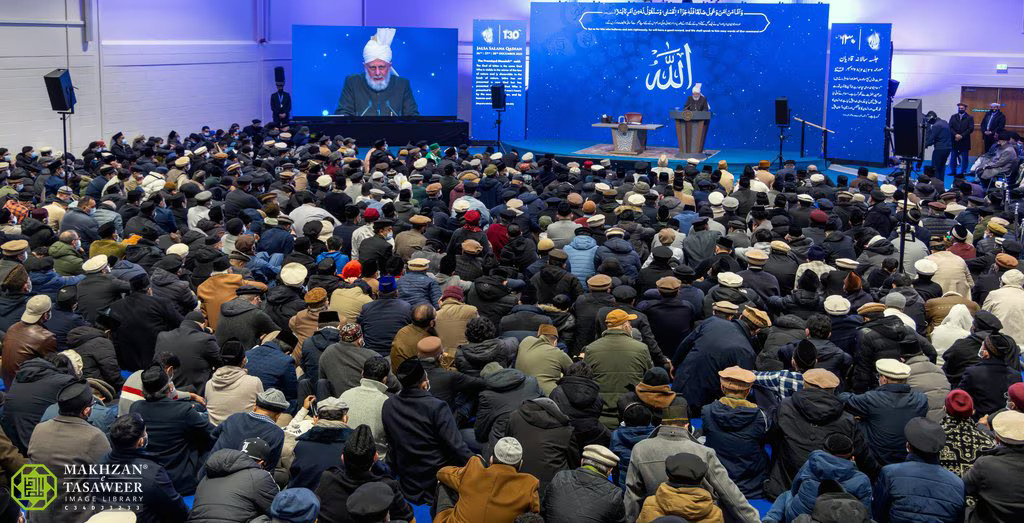
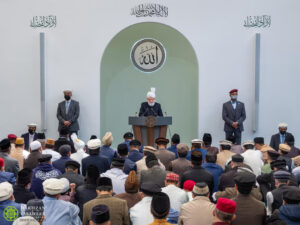
The Ahmadiyya Khalifa addresses the Annual Convention in Qadian, outlining the need to practically fulfil the conditions of the pledge of allegiance to the Promised Messiah(as).
Does the Quran truly foretell universal truths? Or does it merely echo scientific discoveries? Recent advances in cosmology show that the Quran accurately predicts many phenomena that are centuries ahead of its time.
From keys to phones to wealth and fame, human beings always tend to search for things in the wrong places—peace being no exception. Often, one simply forgets that true contentment can come only from the One who created it.
In a world where modern efforts often fail to resolve conflicts, the Treaty of Hudaybiya, concluded fourteen centuries ago, offers timeless lessons in diplomacy, patience, and principled leadership.
Success comes from steadiness—through daily effort, heartfelt prayer, and leaving the rest to Allah, trusting His wisdom in every step.
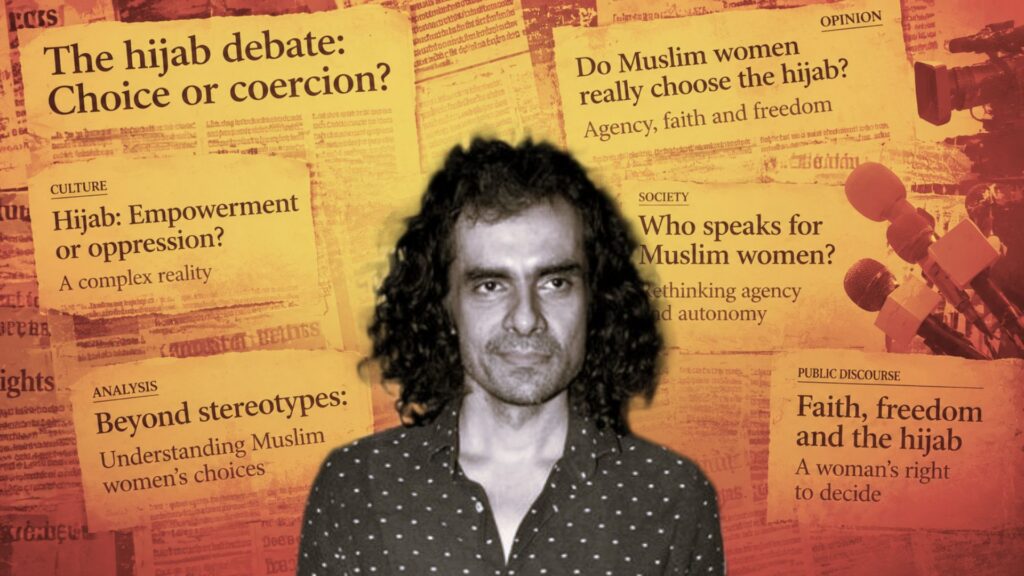
While a declined handshake is often viewed as a breach of etiquette, differing religious and cultural boundaries highlight how complex the interaction between faith, personal choices, and social norms can be.
History remembers those who recognise truth before the world does. This is the story of two hearts—separated in time—whose acceptance of truth became eternal symbols of faith and certainty.
Real progress comes through balance—limiting screen-time, focusing on learning, and safeguarding one’s moral and intellectual growth.
In a world teetering on the edge of conflict, readers from different walks of life share their reflections on the Ahmadiyya Khalifa’s book ‘World Crisis and the Pathway to Peace’, a powerful call for justice, compassion, and lasting harmony.
The Ahmadiyya Caliph reminds that real integration is not imitation, but active contribution—building bonds with neighbours, serving society with loyalty, and upholding faith with confidence.
During a period of spiritual distance, a simple gift from the Khalifa became a symbol of purpose, trust, and a lifelong commitment to serving faith through words.
For a believer, Khilafat is a source of comfort and strength, offering peace through prayers, guidance, and the assurance of being remembered.
What began as a child’s attempt to offer salam became a lifelong reminder that divine love finds us long before we know we are lost.
When the world turned us away, the prayers of the Khalifa offered comfort, resilience, and the strength to persevere through every trial.
In a moment of uncertainty, the Khalifa’s prayers and trust offered a powerful lesson in freedom, faith, and the dignity of choice.
More precious than gold itself, the letters from the Khalifa carried prayers, comfort, and a spiritual connection that strengthened faith at every stage of life.
When Ibrahim(as) raised the knife, it was not the animal that was being tested. It was the man holding it. Eid al-Adha is a reminder that sacrifice is not meant to end with the ritual, but to begin with it.
Travelling to meet the Khalifa was a journey of priceless value for our family, where worldly concerns became insignificant before the weight of spiritual blessing.
In an age fractured by division, confusion, and spiritual uncertainty, Khilafat stands as Islam’s enduring institution of unity—offering moral clarity, divine guidance, and a living connection between humanity and God.
Debates surrounding animal sacrifice intensify during Eid al-Adha. However such discussions often fail to recognise that true sacrifice in Islam extends far beyond the material ritual, centring on righteousness and spiritual reflection.