ARTICLES
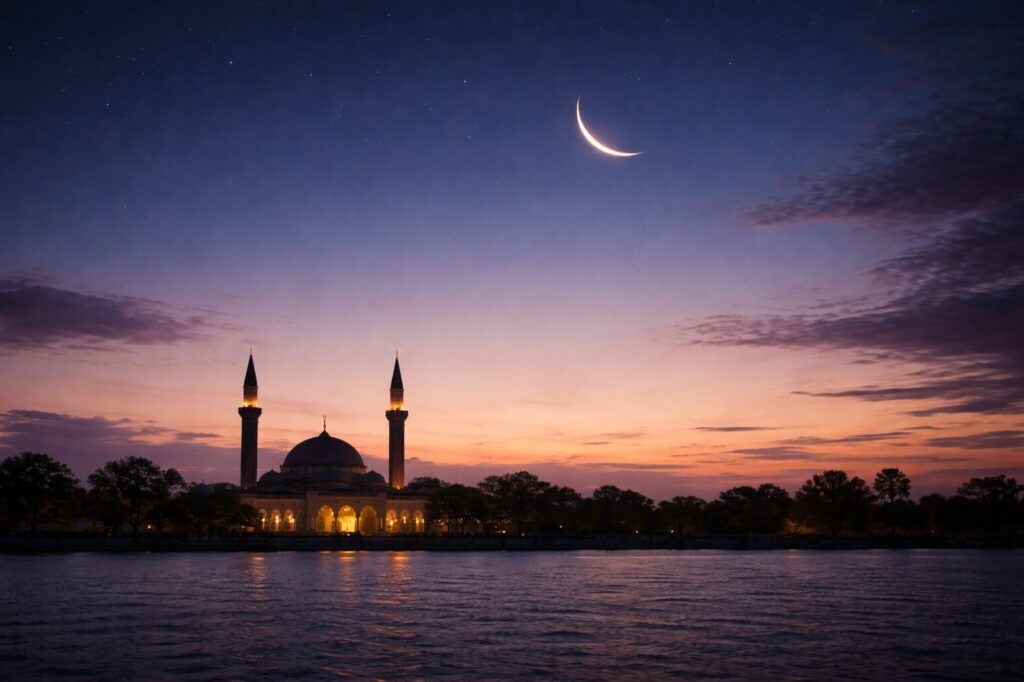
Ramadan is not merely a ritual of abstinence, but a sacred season of transformation. In its atmosphere of worship, restraint, and renewal lies a unique opportunity to reform the self, break old habits, and begin anew.
True security lies not in fear, but in faith—strengthening one’s bond with Allah, continuing to plan with wisdom, and striving with hope regardless of global uncertainty.
Do we worship what we fear? It is commonly held that belief in God emerged gradually as a result of humanity’s awe of natural forces. However, a study of history reveals this theory to be so devoid of evidence that it amounts to nothing but the speculation of atheistic thinkers.
Why would a good God allow suffering? If He is all-powerful and all-merciful, why does He not rid the world of misery? Isn’t a truly painless world the paradise we long for—or would such a reality, paradoxically, be nightmarish?
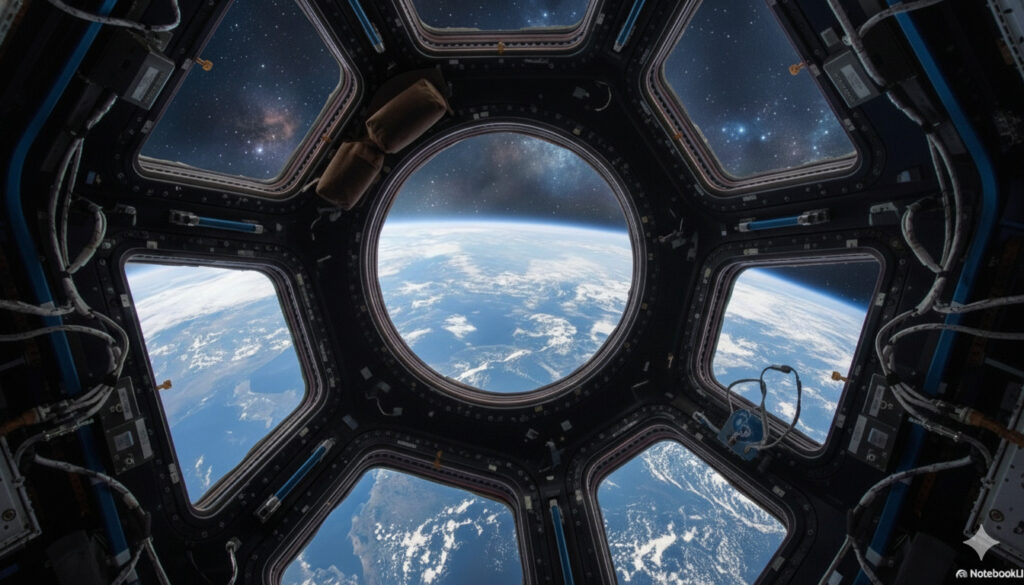
It is commonly argued that science and faith cannot coexist. However, some of the greatest scientific minds—those who have viewed the world from a vantage point experienced by only a handful in human history—beg to differ.
As enthusiasm fades and routines falter, consistency becomes the key to staying aligned with your goals and turning intention into lasting progress.
Those who accept beliefs without investigation follow error and hearsay, whereas true believers base their faith on proof, reasoning and certain knowledge.
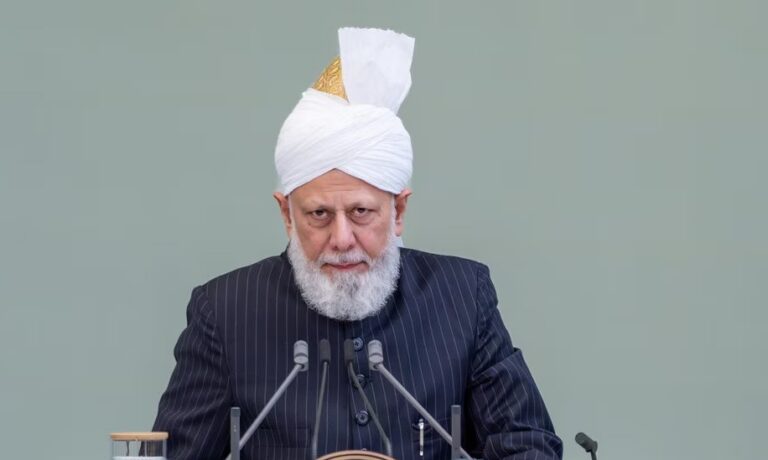
As the new year begins, the Ahmadiyya Caliph appeals for prayers for the progress of the Community, the release of imprisoned Ahmadis, the deliverance of oppressed people worldwide, and the establishment of peace across the globe.
Across history, there have been many attempts to end slavery. Yet, all too often, emancipation came at the cost of human lives or remained confined to paper, thus falling short of securing true human dignity.
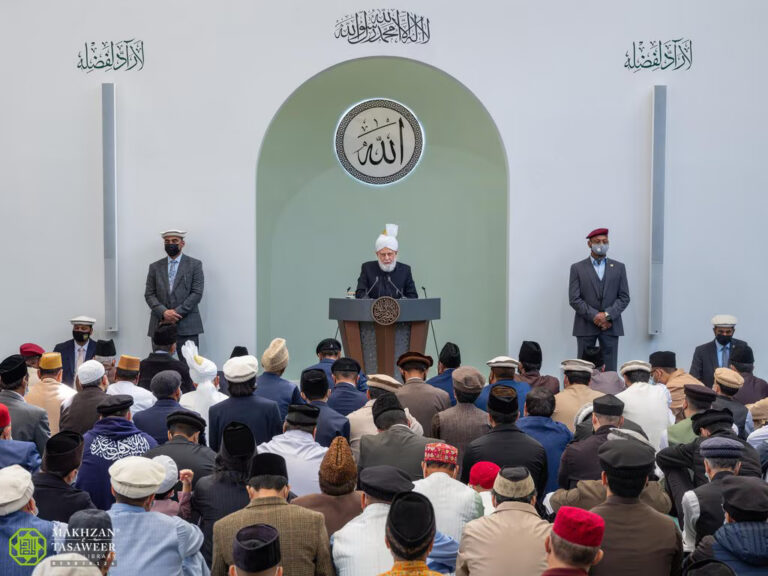
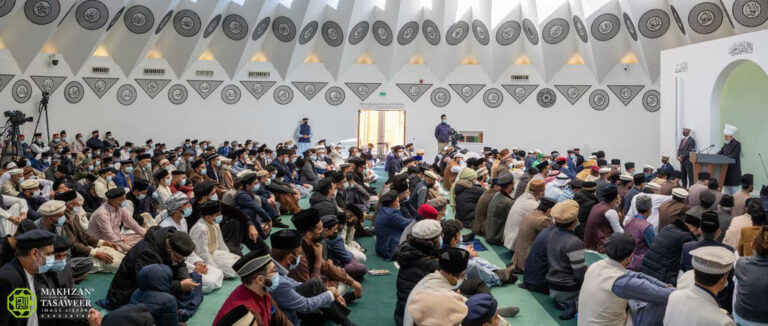
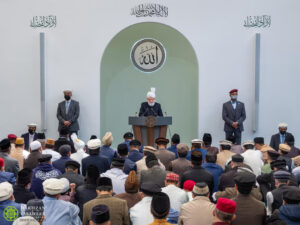
The Ahmadiyya Khalifa addresses the Annual Convention in Qadian, outlining the need to practically fulfil the conditions of the pledge of allegiance to the Promised Messiah(as).
Our immune system works constantly to protect us, and our everyday choices can influence how well it functions. Discover simple ways to support immunity through balanced nutrition and healthy lifestyle habits.
With Islam dawned a new era of learning that transformed the pursuit of knowledge from the privilege of a few into the prerogative of all. Specifically, Islam fulfilled three prerequisites that earlier civilisations had lacked, allowing knowledge to truly globalise.
From memories to milestones, more of life is becoming public content. In a world obsessed with visibility, have we forgotten the art of living for ourselves?
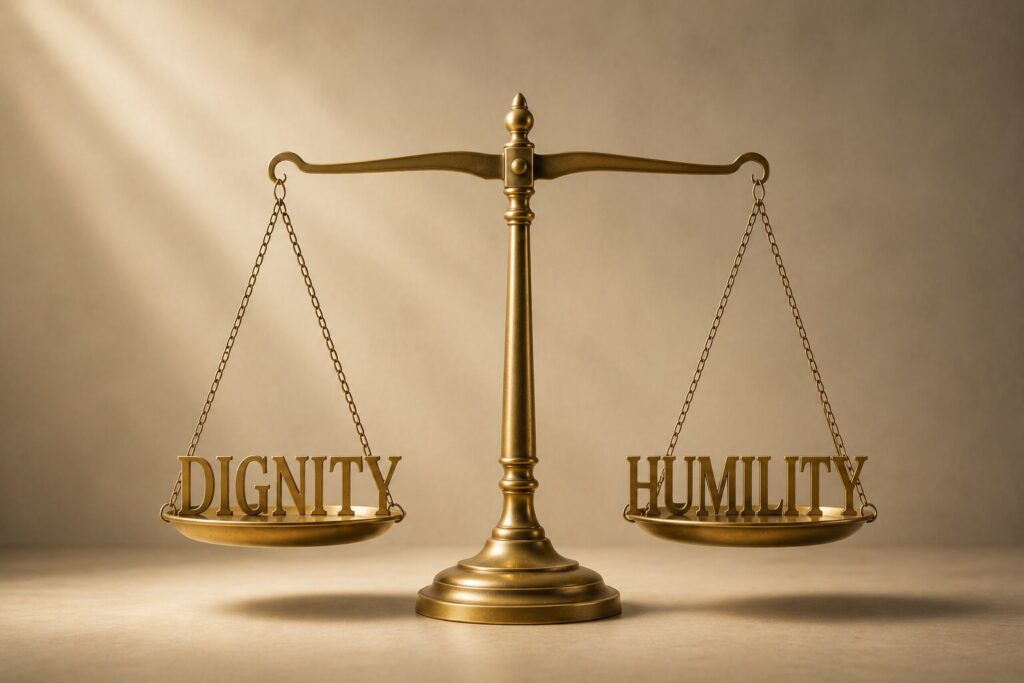
In distinguishing between pride and dignity, how can one remain humble while maintaining one’s sense of self-worth and treating others with kindness and respect?
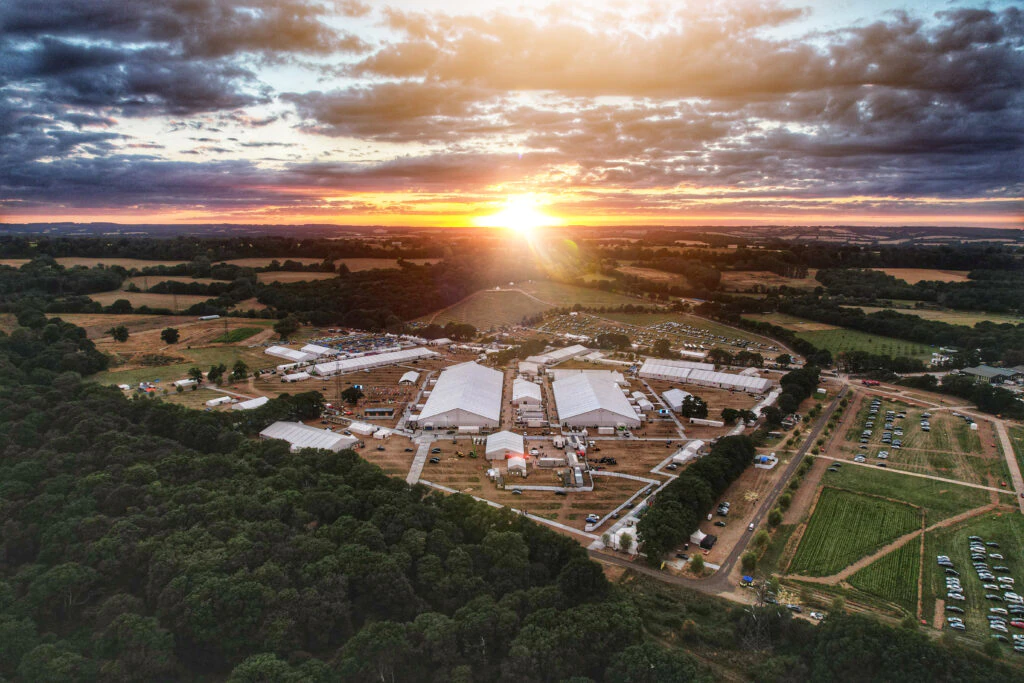
As Britain prepares to host its largest Muslim convention, the transformation of this humble gathering from its modest origins to a global event stands as a Divine sign. Yet another aspect of its history offers an even more emphatic testimony to the existence of God.
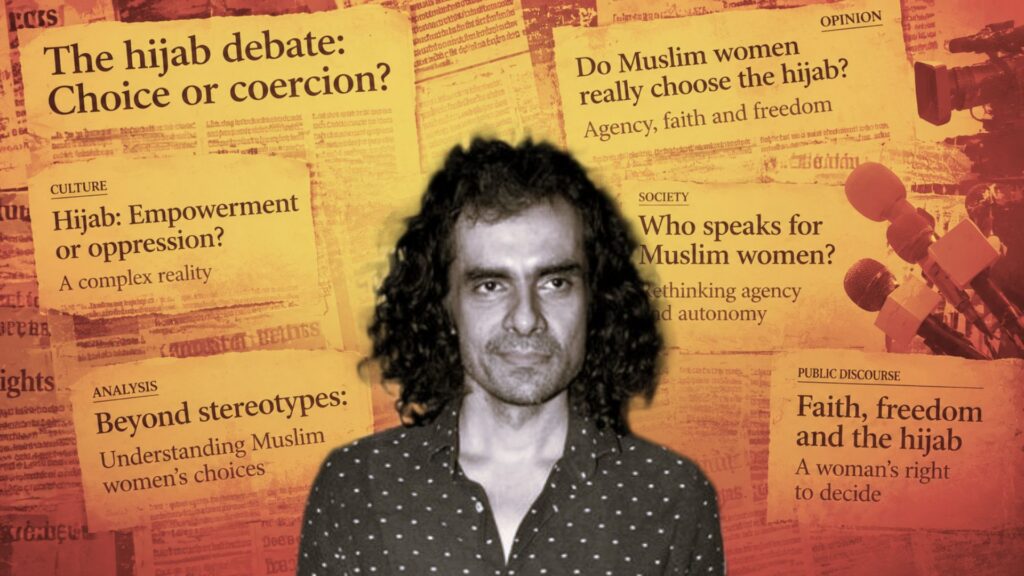
Can a woman truly be said to have freedom if her choices are only respected when they conform to someone else’s idea of liberation? The debate over the burqa reveals less about Muslim women and more about who is allowed the dignity of agency.
In the early 7th century, when academic traditions had largely faded across much of the known world, the seeds of a new intellectual revolution were sown in Arabia. What followed was a Golden Age that laid the foundations for modern science and civilisation.
What began in childhood grew into a lifelong relationship with Khilafat—one shaped by prayers, guidance, and memories treasured across generations.
In moments when words feel inadequate and answers seem distant, Khilafat offers something deeper: the reassurance of being heard, remembered, and held in prayer.
During a period of spiritual distance, a simple gift from the Khalifa became a symbol of purpose, trust, and a lifelong commitment to serving faith through words.